
Delhi: The Chaat Capital
Delhi's street food is a story of empires and migration. The city's soul can be found in the bustling lanes of Chandni Chowk, a culinary labyrinth where recipes have been perfected over generations. This is the heartland of chaat, a category of savoury
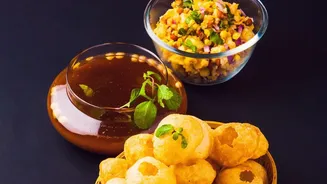
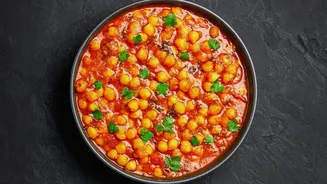
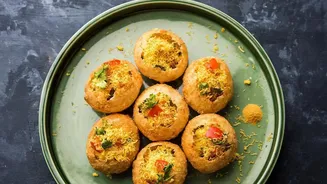
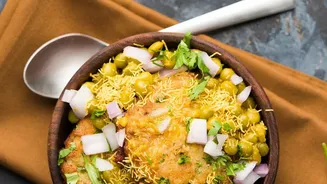
snacks that explode with flavour. Start with Golgappe, crispy spheres filled with spiced potatoes and tangy tamarind water. Then, seek out Aloo Tikki, a fried potato patty mashed and topped with yogurt, chutneys, and spices. It's a crunchy, creamy, spicy, and sweet symphony in every bite. For something more substantial, nothing beats Chole Bhature—fluffy, deep-fried bread served with a rich chickpea curry. This isn't just a meal; it's a weekend ritual for Delhiites.
Mumbai: The Hustle on a Plate
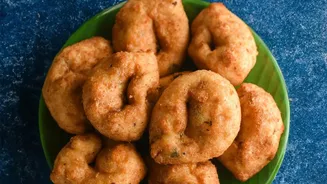
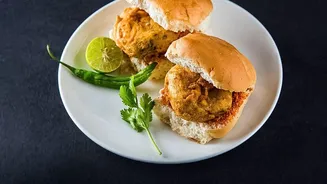
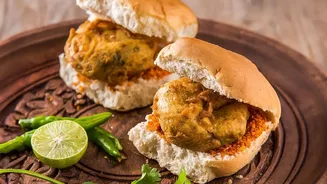
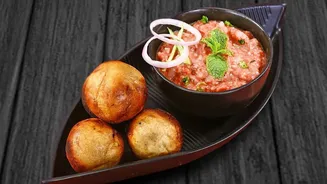
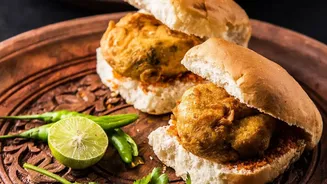
Mumbai's street food is designed for a city that never stops. It's quick, affordable, and packed with flavour. The undisputed king is Vada Pav, often called the 'Mumbai Burger'. It consists of a spiced potato fritter (vada) tucked into a soft bread roll (pav), often accompanied by dry garlic chutney. It’s the perfect on-the-go snack that fuels millions daily. Another icon born on the city's beaches is Pav Bhaji. A medley of mashed vegetables is cooked in a special blend of spices and served with soft, butter-toasted pav. Originally created as a quick lunch for textile mill workers, it has become a beloved meal across the country.
Kolkata: A Creative Culinary Heritage
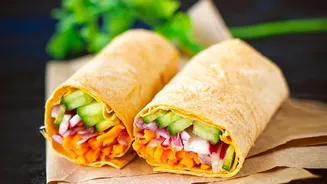
Kolkata’s relationship with food is intellectual and passionate. The city's street food reflects a unique blend of Bengali creativity and historical influences. The most famous offering is Phuchka, Kolkata's take on pani puri. The filling is a zesty mix of mashed potatoes and spices, and the water is distinctly tangy and spicy, setting it apart from its cousins elsewhere in India. Then there is the Kathi Roll, which originated at Nizam's Restaurant in the 1930s. It involves succulent kebabs wrapped in a flaky paratha, creating a complete meal you can hold in your hand. It's a portable, delicious testament to the city's innovative spirit.
Indore: The Midnight Feast
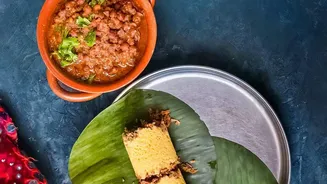
Indore holds a unique position in India's food landscape, primarily thanks to Sarafa Bazaar. A jewellery market by day, it transforms into a bustling, open-air food court at night, serving an astonishing array of vegetarian delicacies until the early hours. This is a city that takes its snacking seriously. Signature dishes include Bhutte ka Kees, a savoury pudding made from grated corn cooked with milk and spices, and Garadu, a seasonal yam fried and tossed in a special masala. But the experience begins with Poha-Jalebi, the city's quintessential breakfast of flattened rice topped with sev, and a side of sweet, crispy jalebi. Indore's food is a celebration of Malwa flavours, influenced by neighbouring Maharashtra and Gujarat.
Lucknow: The Legacy of the Nawabs
To eat in Lucknow is to taste royalty. The city's street food is an extension of its aristocratic Awadhi cuisine, known for its complex spice blends and slow-cooking techniques. The crown jewel is the Galouti Kebab, most famously served at Tunday Kababi since 1905. The name 'Galouti' means 'melt-in-your-mouth', and these minced meat patties, said to contain over 160 spices, live up to the name. They were supposedly created for a toothless Nawab, and their texture is so fine they dissolve on the tongue. Paired with a soft roomali roti or a flaky Mughlai paratha, these kebabs are not just food; they are a taste of history, a culinary legend served on the streets.