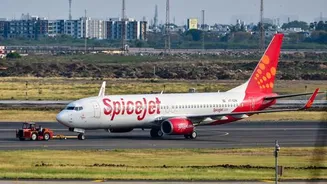








The Anatomy of a Cash Crunch
At the heart of SpiceJet's woes is a severe cash-flow shortage. The airline is grappling with a mountain of unpaid dues to critical partners, including aircraft lessors, airport operators, fuel suppliers, and maintenance vendors. This has forced the airline into
a 'cash and carry' model, where it must pay for services upfront, eliminating any financial flexibility. Compounding the issue are reports of delayed salaries for pilots and other staff for several months, which has led to high employee attrition and crew shortages. This financial distress isn't new; the airline has faced similar crises in the past, including a near-shutdown in 2015 before a revival plan was initiated. Despite raising significant capital as recently as 2024, the relief was temporary, and the airline finds itself once again struggling to stay afloat.
Passenger Pain and Widespread Disruptions
The corporate-level financial strain has translated into chaos for travellers. On November 19 alone, SpiceJet cancelled 31 of its 42 scheduled flights at major airports in Delhi, Mumbai, and Bengaluru, disrupting nearly 75% of its services at these hubs. Passengers have reported being stranded for hours, only for their flights to be cancelled at the last minute with little to no clear information. The airline, which was approved for around 66 daily flights in the winter schedule, is reportedly operating as few as 15. This has led to a dramatic collapse in its market share, which plummeted to just 0.6% in October 2026. The disruptions have become so severe that airport operators like Delhi International Airport Limited (DIAL) have issued advisories, warning passengers of potential impacts and urging them to contact the airline directly for updates.
Regulatory Scrutiny Intensifies
The escalating crisis has attracted the attention of the Directorate General of Civil Aviation (DGCA). On November 17, the aviation regulator issued a stern show-cause notice to SpiceJet, giving it seven days to explain the widespread disruptions. The notice highlights the airline's failure to operate its approved flight schedule, the grounding of a majority of its aircraft without a credible recovery plan, and repeated non-compliance with aviation rules. The DGCA also flagged concerns raised by foreign aviation authorities over disruptions linked to SpiceJet's delayed payments to overseas vendors. Furthermore, pilots' associations have voiced serious safety concerns, warning that prolonged financial stress and staff fatigue could compromise flight safety. They have urged the government to conduct an urgent review of the airline's finances and operational capabilities.
An Uncertain Path to Recovery
In a bid to steer itself out of this nosedive, SpiceJet's board has approved a proposal to raise up to ₹5,500 crore. This capital is desperately needed to clear outstanding liabilities, bring grounded aircraft back into service, and stabilise operations. However, this isn't the first time the airline has sought a lifeline. Previous fund infusions have provided only short-term relief, raising questions about whether this latest attempt will be enough to secure a sustainable future. The airline's recovery hinges not just on securing the funds but on restoring the trust of lessors, vendors, and most importantly, the flying public. With a shrinking fleet and a tarnished reputation, the path ahead for SpiceJet is fraught with challenges as it fights to regain its altitude in the competitive Indian aviation market.