






The Decisive Announcement
On October 6, 2026, the IRSA Advisory Committee met to determine water availability for the Rabi season, which runs from October 1 to March 31. The committee, which includes federal and provincial representatives, concluded that Pakistan's two largest
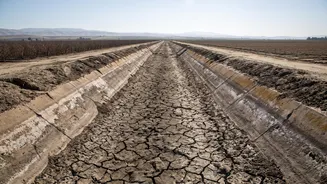
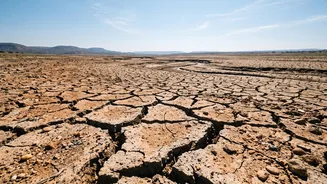
provinces, Punjab and Sindh, would face a significant 22% deficit in their water shares. This decision was based on projections of lower-than-average river inflows and existing reservoir levels. The total anticipated water availability for the season is 29.18 million acre-feet (MAF), considerably less than the nearly 38 MAF required under the 1991 Water Accord. While Punjab and Sindh will bear the brunt of this shortage, the provinces of Khyber Pakhtunkhwa and Balochistan are exempt from the cuts under the current distribution formula.
Why Is There a Shortage?
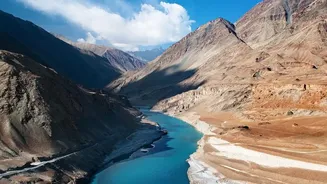
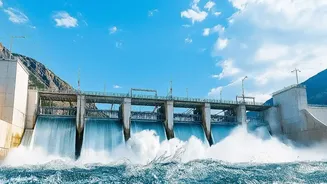
The deficit stems from a combination of factors. The preceding Kharif season (April-September) saw river inflows that were 8% below anticipations and a stark 22% lower than the previous year. As a result, the country's major reservoirs were not filled to capacity. As of September 30, total water storage was 9.343 MAF, well below the 13.214 MAF available at the same time last year and below the ten-year average. Compounding the issue are significant delays in key infrastructure projects. IRSA has expressed serious concern over the slow progress of the Tarbela 4th and 5th Extension Hydropower Projects. These delays have imposed restrictions on filling the Tarbela Dam to its full capacity, preventing the storage of over 3 MAF of water that would have otherwise been available for the Rabi season.
Impact on Pakistan's Breadbasket
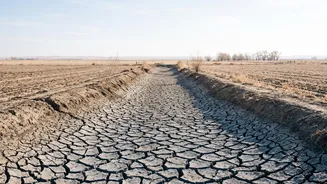
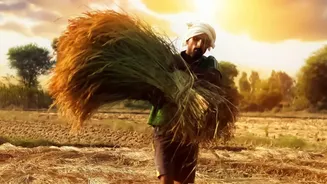
The timing of this shortage is critical. The Rabi season is when farmers in Punjab and Sindh sow wheat, the country's main staple food crop, along with other essentials like gram, barley, and mustard. A 22% reduction in irrigation water threatens to shrink the cultivated area and reduce crop yields. This could have a severe impact on national food security, potentially leading to a lower wheat harvest for the second consecutive year. Last year, Pakistan's wheat production fell short of its target, forcing the government to import over a million tons to meet domestic demand. Farmers may be forced to rely more heavily on expensive groundwater pumping to irrigate their fields, increasing their costs, or simply accept lower yields, which could impact their livelihoods.
A Familiar and Growing Challenge
While the 22% figure is alarming, water shortages during the Rabi season have become a recurring problem for Pakistan. The country's water economy is under immense stress from climate change, a growing population, and aging infrastructure. The 1991 Water Accord, which governs water distribution among the provinces, is often a point of contention, particularly during deficit periods. Sindh has repeatedly voiced its opposition to the three-tier distribution formula that spares smaller provinces from cuts, arguing for a different interpretation of the accord. Some officials have also pointed to man-made issues, including what they term 'avoidable' water releases from reservoirs during the previous season, as a contributing factor to the current crisis. The consistent delays in upgrading and expanding water storage capacity, like at Tarbela, mean that even in years with decent rainfall, Pakistan struggles to save enough water for the drier months, perpetuating a cycle of scarcity.