





A Landing Like No Other
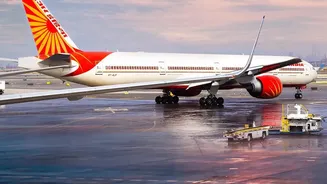
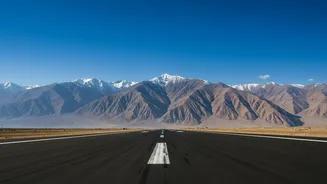
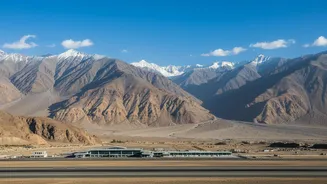
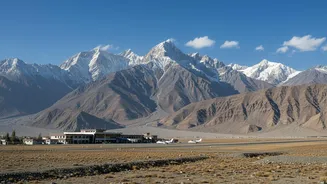
The flight into Leh is consistently ranked among the most scenic in the world. The aircraft navigates a narrow valley, with snow-capped Himalayan peaks feeling close enough to touch. This dramatic approach concludes at Kushok Bakula Rimpochee Airport,
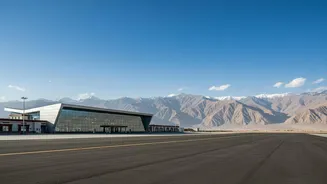
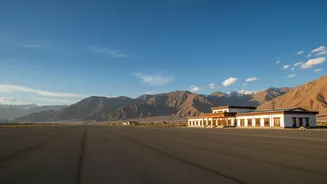
named after a revered Ladakhi statesman and monk. Located at 3,256 metres (10,682 feet), it is one of the highest commercial airports globally and serves as a critical link for the Ladakh region, especially when winter snows close the high mountain roads. The airport itself is a mix of public and military operations, underlining its strategic importance, which means security is often tighter than travellers might be used to.
The Science of a High-Altitude Airport
Operating an airport at this elevation is a feat of engineering and skill. The air at 10,682 feet is significantly thinner, which has major implications for aviation. Thinner air provides less lift for wings and reduces engine thrust. This means aircraft require a longer runway to achieve takeoff speed and must land at higher ground speeds. Furthermore, the mountainous terrain creates unpredictable weather patterns. Strong afternoon winds are a regular occurrence, forcing all flights to be scheduled in a busy morning window to ensure safety. These factors make Leh a 'Category C' airport, demanding special training for pilots who need to rely on visual flying rules in a challenging, one-way approach and departure corridor.
Your Body's Welcome Party: Acclimatization
The most important part of your arrival in Leh is how you manage the altitude. The lower oxygen levels can affect anyone, regardless of age or fitness, leading to Acute Mountain Sickness (AMS). Symptoms often include headache, dizziness, fatigue, and nausea. The golden rule upon arrival is to rest. Health experts and seasoned travellers unanimously advise taking it easy for the first 24 to 48 hours. Avoid any strenuous activity, including long walks. This period of rest allows your body to begin the crucial process of acclimatization. Hydration is equally important; aim to drink 3-4 litres of water daily, and avoid alcohol, which can accelerate dehydration.
Practical Tips for a Smooth Arrival
Once you step off the plane onto the tarmac, the crisp, thin air is immediately noticeable. You will likely need the jacket you packed in your carry-on. Inside the small but functional terminal, you will find it can get crowded during the morning rush of arrivals. It is advisable to have your hotel or guesthouse arrange a pickup, as taxis, while available, operate on fixed union rates. Having transport pre-arranged removes one less stressor on your first day. The key is to move slowly and deliberately. Your only job on arrival day is to check into your accommodation, eat a light meal, and rest. Rushing to see the sights is a common mistake that can lead to AMS and spoil the first few days of your trip.