


The Undisputed Nutritional Power
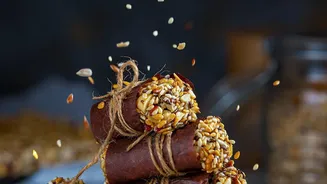
Let’s start with what is absolutely true: seeds are incredibly good for you. Experts across nutrition and medicine agree that incorporating seeds like chia, flax, pumpkin, and sunflower into your diet is a smart move. These tiny foods are concentrated
sources of vital nutrients. They are packed with dietary fibre, which is essential for digestive health and helping you feel full for longer. They also provide high-quality, plant-based protein and healthy fats, including monounsaturated and omega-3 fatty acids, which are crucial for heart and brain health. Adding just a spoonful of seeds to your daily meals—whether in a smoothie, sprinkled on yogurt, or mixed into a salad—is an easy way to boost your intake of essential minerals like magnesium, zinc, and selenium.
A Nutrient Breakdown
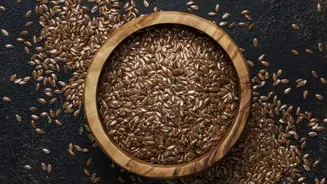
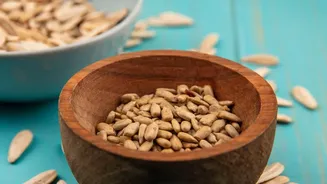
Different seeds offer unique benefits. Flaxseeds, for instance, are famous for their high concentration of lignans, a type of antioxidant polyphenol, and are a rich source of the omega-3 fatty acid ALA. Chia seeds are fibre champions, absorbing liquid to form a gel that can aid digestion and promote satiety. Pumpkin seeds, sometimes called pepitas, are standouts for their magnesium and zinc content, minerals vital for everything from bone health to immune function. Meanwhile, sunflower seeds are an excellent source of Vitamin E, a powerful antioxidant that helps protect your cells from damage. The consensus is clear: a varied intake of seeds contributes to overall health, helping to lower cholesterol, reduce inflammation, and bridge nutritional gaps in our modern diets.
Enter 'Seed Cycling'
This is where the conversation shifts from proven nutrition to a popular wellness trend. Seed cycling is the practice of eating specific seeds during the two main phases of the menstrual cycle to supposedly support hormonal balance. The typical protocol suggests consuming flax and pumpkin seeds daily during the follicular phase (the first half of the cycle, from menstruation to ovulation). Then, you switch to sunflower and sesame seeds during the luteal phase (the second half, from ovulation to the start of the next period). Proponents claim this rotation can regulate periods, alleviate PMS symptoms, manage conditions like PCOS, and even improve fertility.
The Theory vs. The Evidence
The theory behind seed cycling is based on the properties of the seeds themselves. Flax and pumpkin seeds contain phytoestrogens (plant compounds that can mimic estrogen) and zinc, which are thought to support the estrogen-dominant follicular phase. Sesame and sunflower seeds are rich in lignans and vitamin E, believed to support progesterone production in the second half of the cycle. While this sounds plausible, the scientific evidence to back up the practice of 'cycling' is very limited and inconclusive. Multiple reviews and health experts point out that there are no large-scale clinical trials proving that this specific rotation offers any benefits beyond what you’d get from eating the seeds as part of a healthy diet anyway. The few existing studies on individual seeds, like flax, have shown inconsistent results on hormone levels.
So, Should You Try It?
While the specific claims about balancing hormones through a rigid cycle remain unproven, there's little harm in trying seed cycling for most people (unless you have a seed allergy). At its core, the practice encourages you to eat more nutrient-dense seeds, which is undeniably a healthy habit. Many people who report feeling better may be experiencing benefits from the increased fibre, healthy fats, and minerals in their diet, or even a placebo effect. Think of it as a wellness ritual rather than a medical treatment. If it makes you feel more in tune with your body and improves your overall nutrition, that's a positive outcome. However, it should not replace evidence-based medical advice for managing hormonal conditions like PCOS, severe PMS, or infertility.