





What is Plant Propagation?
At its heart, propagation is simply the process of creating new plants from a parent plant. This can be done in several ways, but the goal is always the same: to encourage a piece of an existing plant—be it a stem, leaf, or root—to grow into a whole new plant on its own.
It's a fantastic way to multiply your collection, create gifts for friends, or simply rescue a plant that might be struggling. For beginners, the easiest methods require minimal equipment, often just a pair of clean scissors, a glass of water, and a little patience. The key to success is starting with a healthy parent plant, as this gives your new cutting the best possible chance to thrive.
Method 1: Stem Cuttings in Water
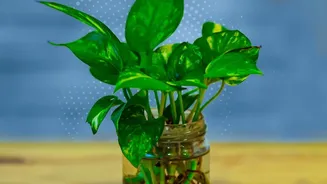
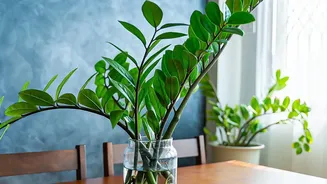
This is perhaps the most common and visually satisfying method of propagation. It works wonderfully for vining plants like Pothos, Philodendron, and Monstera. First, identify a healthy stem on your parent plant. Using clean, sharp scissors, cut a 3- to 5-inch section just below a node—the small bump on the stem where leaves and roots emerge. This node is crucial, as it's where the new roots will sprout. Next, remove any leaves from the lower part of the stem, ensuring no foliage will be submerged in water, as this can lead to rot. Place the cutting in a clear glass or jar filled with water, making sure at least one node is fully submerged. Change the water every few days to keep it fresh and oxygenated. In two to four weeks, you should start to see delicate white roots emerge. Once the roots are about one to two inches long, your new plant is ready to be transplanted into soil.
Method 2: Division
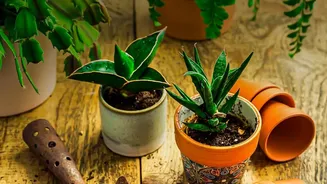
Division is the simplest way to propagate plants that grow in clumps or produce new shoots from the base, such as Snake Plants, ZZ Plants, and many types of ferns. This method is best done when you're repotting, as the plant is already out of its container. To divide a plant, gently remove it from its pot and lay it on its side. Carefully loosen the soil around the root ball to see the natural sections of the plant. You may be able to gently pull the clumps apart with your hands. If the roots are tightly bound, you can use a clean, sharp knife to cut the root ball into smaller pieces. The most important rule is to ensure each new section has a healthy portion of both roots and stems or leaves. Once separated, pot each new division into its own container with fresh potting mix, water it well, and you instantly have multiple plants.
Caring for Your New Plant Babies
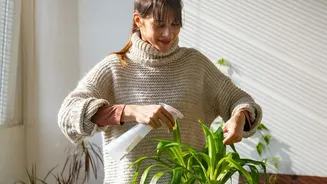
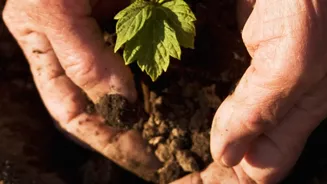
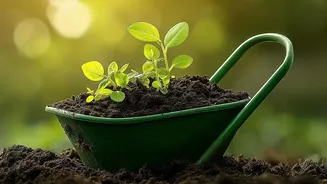
Once your cutting has roots and is planted in soil, its journey is just beginning. Newly propagated plants are delicate and need a little extra attention. Place them in a spot with bright, indirect light; direct sun can be too harsh for fragile new roots and leaves. Keep the soil consistently moist but not waterlogged to encourage root establishment. Avoid fertilizing for the first few weeks, as fresh potting mix usually contains enough nutrients, and fertilizer can burn the tender new roots. It's normal for a new plant to look a little sad or wilted for a few days as it adjusts to its new home—a phenomenon known as transplant shock. Be patient, provide consistent care, and soon you'll see new growth, a sure sign that your propagation was a success.