




The Two Clocks of Munnar
The biggest question surrounding the current bloom is simple: why now? Most remember the spectacular, widely publicised Neelakurinji event of 2018 at Eravikulam National Park, with the next one firmly circled on calendars for 2030. This has led many to
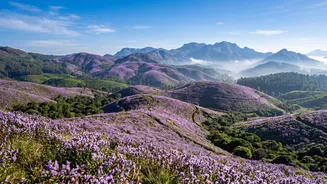
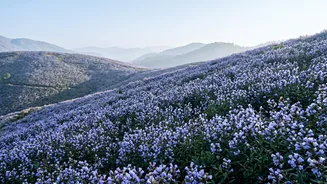
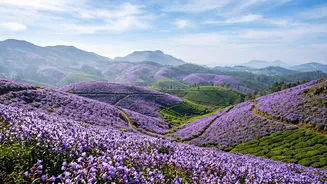
believe the 2026 flowering is some kind of anomaly. The reality is more fascinating. The Western Ghats are home to different populations of the Neelakurinji shrub (Strobilanthes kunthiana), and not all of them are on the same 12-year clock. The bloom drawing crowds in September 2026 belongs to a separate population, primarily in the Chokramudi and Mattupetty-Korandakkad hills. This group last flowered in 2014, making 2026 its natural, scheduled time to shine. So, it’s not an early bloom, but an entirely different one. Both the 2026 and 2030 dates are correct; they just refer to different floral dynasties in the same kingdom.
Where to Witness the 2026 Spectacle
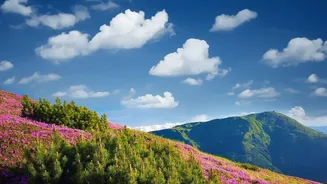
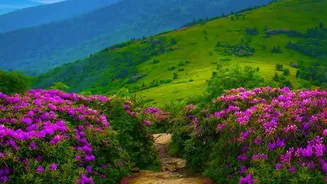
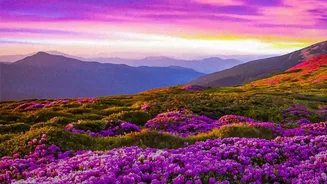
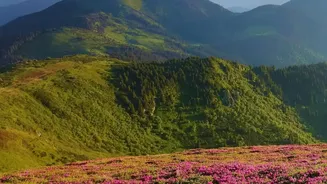
For anyone planning a trip, it's crucial to head to the right spots. Don't go to Eravikulam National Park expecting a purple carpet this year; its famous slopes are waiting for 2030. The heart of the 2026 action is around the Chokramudi hills and the rolling grasslands between Mattupetty and Korandakkad. These areas, accessible from Munnar town, have seen significant flowering since late August. Chokramudi in particular, known for its panoramic trekking routes, is a prime location to see the violet-hued clusters. However, a Neelakurinji bloom is a dynamic natural event, not a static monument. The intensity and spread of the flowers can change with rainfall and weather, so checking local updates before travelling is always wise. Forest officials have opened designated viewing areas and are managing access to protect the fragile environment.
More Than Just a Pretty Flower
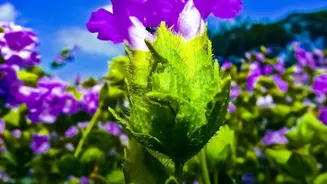
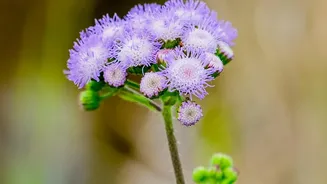
The spectacle of the Neelakurinji is rooted in a remarkable life cycle known as mass flowering, or masting. The shrub grows for 12 long years, then flowers just once in a synchronised, widespread bloom before setting its seeds and dying. This mass event is a vital part of the shola grassland ecosystem. The sudden abundance of nectar-rich flowers provides a feast for pollinators like honeybees and butterflies. In fact, the rare and prized Kurinji honey is harvested during these seasons. Beyond its beauty, the plant is an 'indicator species'—its health reflects the health of the entire high-altitude ecosystem. The flower also holds deep cultural roots. The name 'Nilgiri', or Blue Mountains, is believed to have been inspired by the flower's hue blanketing the hills. For the local Paliyan tribe, the 12-year cycle was traditionally used as a natural calendar to calculate their age.
A Guide to Responsible Viewing
The return of the Neelakurinji is a gift, but one that comes with great responsibility. The plant is listed as a vulnerable species by the IUCN due to significant habitat loss from plantations and urban expansion. Its shola grassland home is incredibly fragile. To ensure future generations can also witness this wonder, visitors must follow strict guidelines. Forest and tourism officials urge everyone to stay on designated trails and to resist the temptation to step into the flower beds for a selfie. Trampling not only destroys the delicate plants but also compacts the soil, hindering the germination of the next generation of seeds. Plucking or uprooting the flowers is strictly forbidden. These are no-plastic zones, and all litter must be carried back. The goal is to admire this natural masterpiece from a distance, leaving the landscape as untouched as you found it for the ecosystem and for the next bloom, 12 years from now.