



The Ghost of the Mountains
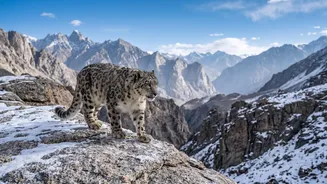
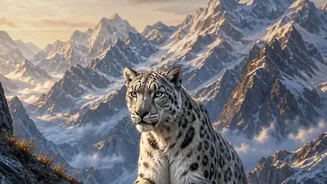
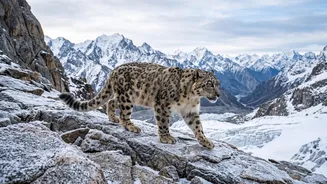
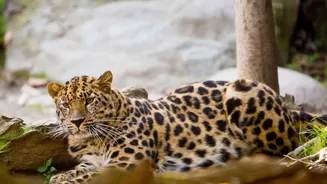
The snow leopard, or 'Shan' as it is known in Ladakhi, is one of the most elusive big cats on the planet. Its smoky-grey coat, patterned with dark rosettes, provides perfect camouflage against the rocky, snow-dusted terrain it calls home. These solitary
cats command vast territories, are naturally shy, and are most active at dawn and dusk, making them notoriously difficult to spot. This rarity is precisely what makes the quest for a sighting so compelling. An expedition into their world is a journey into one of Earth’s last great wildernesses, a true adventure defined by patience, respect, and the stark beauty of the Himalayas.
Welcome to Snow Leopard Country
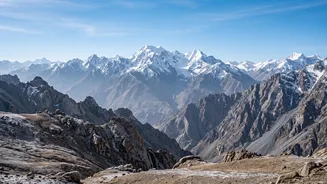
Ladakh is the undisputed capital for snow leopard tourism in India, boasting the highest density of these cats anywhere in the world. Expeditions focus on key areas like Hemis National Park—India's largest national park—and the remote Ulley Valley. Journeys typically begin in Leh, the region's main city, situated at a breathtaking 11,500 feet. The landscape is severe but stunning: a cold, high-altitude desert of sweeping valleys, frozen rivers, and colossal peaks. This environment is not for the faint of heart; temperatures can plummet well below freezing, and the altitude requires careful acclimatization.
What the Safari Actually Entails
A snow leopard safari is less of a drive and more of a patient, watchful trek. Days start early, often before sunrise, as expert local trackers head out to scan the ridges for any sign of movement—tracks, kills, or the flick of a tail. These trackers, many of whom grew up in this territory, possess an unparalleled knowledge of the leopard's behaviour. Guests are then guided to strategic viewpoints, equipped with powerful spotting scopes, to watch and wait. The hiking itself can be strenuous at altitudes above 13,000 feet, where even short walks are taxing. Accommodation often involves staying in local homestays or dedicated wildlife lodges, which play a crucial role in the region's community-led conservation model.
Managing The No-Guarantee Clause
Reputable tour operators are clear: a snow leopard sighting is a privilege, not a promise. The success rate, even during the peak season from January to March, hovers between 50% and 80% on a well-planned, week-long expedition. The 'no-guarantee' clause is not a disclaimer but an essential part of the experience. It frames the journey as an authentic pursuit, where the reward is uncertain. The thrill lies in the chase itself—the hours spent scanning majestic landscapes, the adrenaline rush when a tracker spots a distant sign, and the deep appreciation for an animal that remains truly wild and untamed. The uncertainty is what makes a successful sighting so incredibly profound.
More Than Just Leopards
Even if the 'ghost' remains elusive, the trip is far from a loss. Ladakh’s ecosystem is rich with other unique wildlife. Herds of bharal (blue sheep) and Asiatic ibex navigate sheer cliffs, often in plain sight. You might also spot the Tibetan wolf, red fox, or the majestic lammergeier (bearded vulture) soaring overhead. The safari is also a deep cultural immersion. Travellers often stay in village homestays, sharing meals and stories with Ladakhi families and learning about their unique Buddhist culture, which holds a deep reverence for all living things, including the snow leopard.
Planning Your Expedition
The best time for a safari is during the winter, from November to March. In these cold months, the snow leopards and their prey, like the blue sheep, descend to lower, more accessible altitudes. February and March are particularly popular as it's the mating season, when the cats are more active and vocal. Acclimatization is critical; plan to spend at least two to three days in Leh before heading to higher elevations. Pack serious winter gear in layers, including thermal wear, a down jacket, and insulated boots. Most importantly, choose a responsible tour operator who employs local trackers and contributes to community conservation efforts, ensuring your visit supports the people and wildlife of this fragile ecosystem.