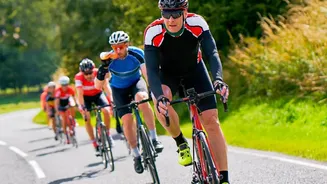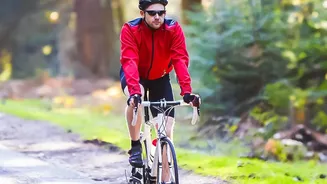








At first glance, cycling and skating seem like two sides of the same coin, both demanding balance to master. But have you ever wondered why some people take to one instantly and struggle with the other? The answer lies in their distinct physics.
The Core of the Matter: Two Types of Balance
The fundamental
difference between balancing on a bicycle and on skates comes down to dynamic versus intrinsic stability. A bicycle is a marvel of engineering designed for dynamic stability; it becomes more stable the faster it moves forward. The spinning wheels create a gyroscopic effect, which helps resist tipping over. In contrast, skates offer no such built-in help. Whether you're on inline skates or roller skates, balance comes entirely from within. It’s an act of constant, subtle adjustments managed by your core muscles, ankles, and your body's awareness of its position in space, a sense known as proprioception.
Cycling: Leaning Into Forward Motion
Balancing on a bike is a partnership between the rider and the machine. The primary way a rider stays upright is through steering. When the bike starts to lean, the rider instinctively steers slightly into the direction of the lean, which brings the wheels back underneath their center of mass. This is why learning to ride often involves 'balance bikes' without pedals; they teach this steering-to-balance reflex. Forward momentum is your best friend on a bike. At higher speeds, the geometry of the bike and the physics of the spinning wheels do much of the stabilizing work for you. The real challenge for a cyclist is balancing at very low speeds or a complete stop, where the bike’s inherent stability disappears.
Skating: Your Body Is the Balancing Act
When you strap on a pair of skates, you are the entire balance system. There is no gyroscopic effect or stabilizing frame. Every moment, whether you're gliding or standing still, requires active core engagement and lightning-fast communication between your brain and your muscles. Skating heavily relies on proprioception—your body's internal GPS that tracks limb position and movement. Your ankles and hips make thousands of micro-adjustments to keep your center of gravity squarely over the tiny footprint of the wheels. This is why skating is often described as a full-body workout; your abs, lower back, and glutes are constantly firing to keep you from falling.
How Your Fitness Background Gives You an Edge
This is where prior exercise experience makes a huge difference. An individual with a background in activities that enhance proprioception and core strength—like yoga, gymnastics, or dance—may find learning to skate more intuitive. Their body is already trained to be highly aware of its position and make fine-tuned adjustments. Conversely, someone experienced with other momentum-based sports like skiing or motorcycling might grasp the dynamic balance of cycling more quickly. Their brain is accustomed to using speed and lean to maintain control. While any athletic background that improves coordination is helpful, the specific skills are not always directly transferable. A strong cyclist won't automatically be a great skater, and vice versa.
Which Challenge Is Right for You?
If you're a complete beginner, neither activity is universally 'easier'; it depends on your natural strengths and what kind of challenge you prefer. Cycling might feel less intimidating initially because the bike offers a sense of stability once you get moving. The learning curve often involves overcoming the fear of falling at low speeds. Skating, on the other hand, can have a steeper initial learning curve as you must build balance from the ground up, but it offers a more intense core workout and improves agility in a way that cycling doesn't. Those who enjoy a full-body coordination challenge might prefer gliding on skates, while those who want to cover distance and enjoy a feeling of speed-induced stability might lean toward cycling.