



The Power of Grouping
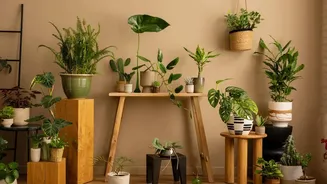
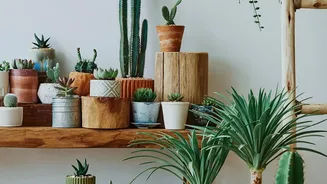
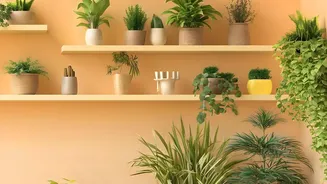
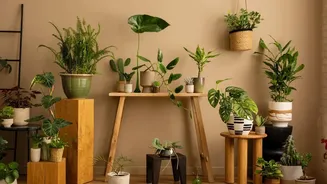
One of the quickest ways to create visual impact is to group your plants together. Instead of scattering individual pots on various windowsills and shelves, gather them to create a lush focal point. This approach makes a stronger statement and turns an unused
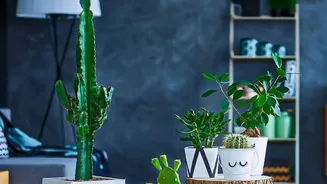
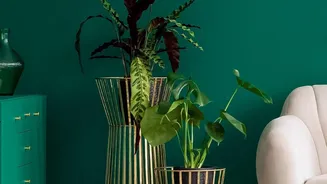
corner or a bare surface into a vibrant indoor garden. Grouping creates a sense of community among your plants, making the collection feel intentional and curated. For a dynamic look, play with height and size. Place larger floor pots at the back and smaller tabletop planters in front to create a layered effect with a clear sense of depth. The classic design 'rule of three' is a great starting point; grouping items in odd numbers is often more appealing to the eye.
Finding a Cohesive Colour Palette
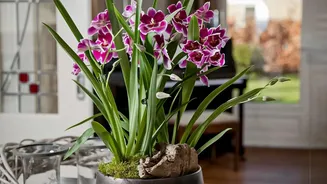
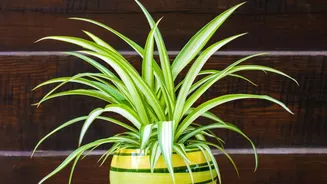
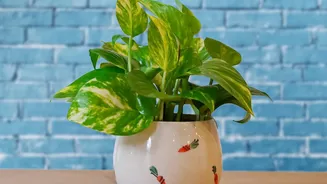
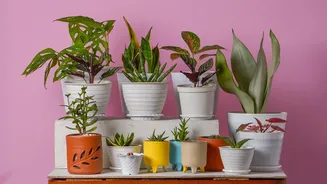
Colour is a powerful tool for unifying your plant display. The goal is to choose pot colours that complement your plants' foliage and flowers, not overpower them. You can achieve a cohesive look in several ways. A monochromatic scheme using different shades of the same colour—like various blues or greens—can create a soothing and sophisticated feel. Alternatively, you can choose a neutral base palette, such as whites, greys, and earthy terracotta, and add one or two pots in a bold accent colour for a pop of energy. White pots are particularly effective at making vibrant flowers and rich green foliage stand out, while darker pots can highlight plants with lighter leaves. Earth tones are a popular choice as they blend well and allow the plants themselves to be the stars of the show.
Harmonising Shapes and Textures
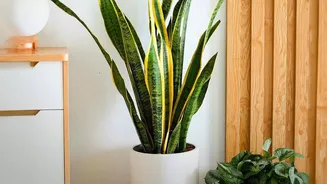
Beyond colour, the shape and texture of your ceramic pots play a crucial role. You don't need every pot to be identical. In fact, mixing different shapes can add significant visual interest. A combination of round, tall, and squat planters can create a more natural, organic feel. The key is to find a common thread. For instance, you might choose a variety of shapes but stick to a single colour family. Or, you could group pots with a similar shape but in different sizes and textures. Combining different finishes—such as matte, glossy, and raw textured ceramic—adds another layer of depth. A structured plant like a Snake Plant often pairs well with a clean-lined modern pot, while softer, trailing plants can look wonderful in rounded containers that soften their lines.
The Practical Angle: Health Before Style
A beautiful display is only successful if the plants within it are healthy. The most critical practical consideration for any ceramic pot is drainage. Without drainage holes, water can collect at the bottom, leading to waterlogged soil and root rot. If you fall in love with a decorative pot that has no hole, use it as a 'cachepot'. Simply keep your plant in its plastic nursery pot (which has holes) and place it inside the decorative one, removing it to water. Pot size is also vital for plant health. A pot that is too small will restrict root growth, while one that is too large can hold excess moisture. As a general rule, when repotting, choose a new pot that is about two to four inches larger in diameter than the current one to give roots room to grow without overwhelming them. Finally, consider the material. Porous materials like unglazed terracotta allow soil to dry out faster, which is great for plants prone to overwatering, while glazed ceramic pots retain moisture longer.