





What is the Mecca Pact?
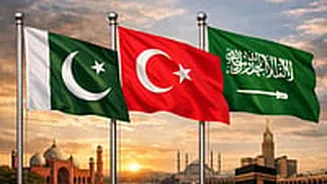
The Mecca Joint Defence Agreement, also called the Mecca Pact, is a formal collective defence treaty signed by Saudi Arabia, Pakistan, and Türkiye. The core of the agreement is a clause similar to NATO's Article 5, stating that an armed attack on any
of the three signatory nations will be considered an attack on all. This creates a formal security framework linking Saudi Arabia's financial might, Pakistan's nuclear status and military manpower, and Türkiye's advanced defence industry and NATO experience. The pact was signed in the holy city of Mecca against a backdrop of heightened regional instability, including the ongoing conflict with Iran. It formalises and expands on a previous bilateral defence agreement signed between Saudi Arabia and Pakistan in September 2025.
The Strategic Logic of Alignment
The pact is driven by a shared desire among the three nations for greater strategic autonomy. For decades, Gulf security was largely guaranteed by the United States. However, a perception that this security umbrella is no longer fully reliable has prompted regional powers to build their own security arrangements. Saudi Arabia, concerned about its vulnerability to attacks on its critical infrastructure, sees the pact as an extra layer of deterrence. For Pakistan, it formalises a long-standing security relationship with Riyadh, offering potential economic benefits and enhanced strategic relevance. Türkiye, meanwhile, gains a larger role in Gulf security and new markets for its rapidly growing defence industry, including advanced drones and warships.
Pillars of Potential Cooperation
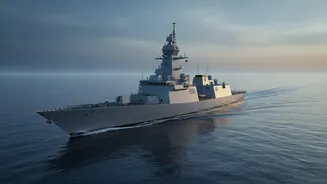
The agreement outlines a broad vision for coordination that extends beyond just mutual defence. Key areas include defence-industrial cooperation, with Saudi capital potentially funding the development and purchase of Turkish and Pakistani military technology. This could involve joint production of drones, naval systems, and other advanced weaponry. The pact also calls for enhanced intelligence sharing, joint military exercises, and closer political and diplomatic coordination. Analysts see this as a complementary arrangement: Saudi Arabia provides the financial power, Türkiye contributes technological innovation, and Pakistan supplies the military capacity and operational experience. The goal is to create a self-reliant security ecosystem that is less dependent on outside powers.
Significant Hurdles and Headwinds
Despite its ambitious scope, the Mecca Pact faces considerable challenges. Analysts note that while the agreement has an Article 5-style clause, it lacks the detailed command structures and specific force commitments that define an alliance like NATO. Furthermore, the strategic interests of the three nations are not always aligned. Pakistan's primary security focus is India, while Türkiye has complex relationships with Russia and its fellow NATO members. It is uncertain whether Ankara and Islamabad would be willing to get deeply involved in Saudi Arabia's conflicts, such as the one in Yemen. Both countries also maintain land borders with Iran and may be wary of being drawn into a direct confrontation. While officials have stated the pact is not directed at any specific country, Iran has reacted critically, viewing it as a potential containment effort.
Implications for India and the Region
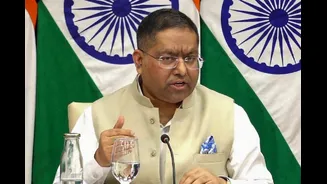
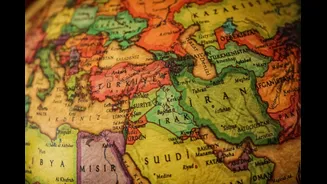
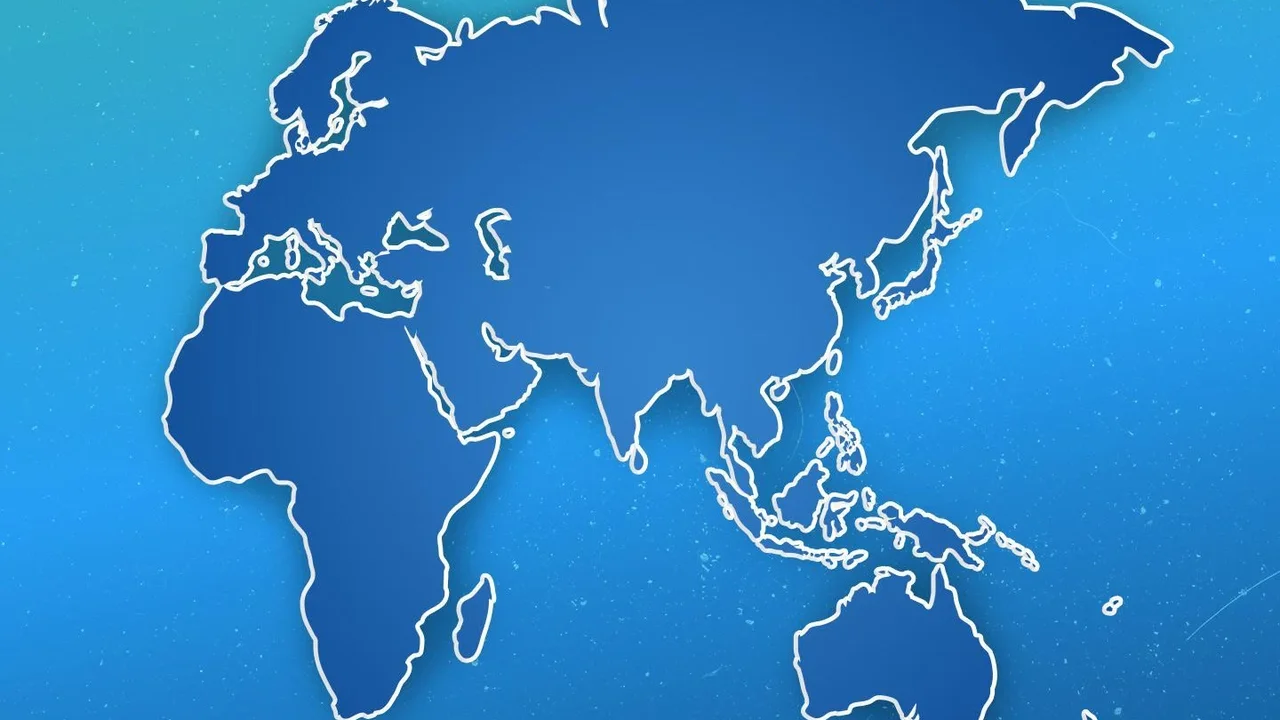
The formation of this new security triangle has direct consequences for India. New Delhi maintains important independent relationships with all three countries, including extensive energy and trade ties with Saudi Arabia. However, the pact is being monitored with concern by Indian national security analysts. The primary worry is that the combination of Saudi financing and Turkish technology could significantly enhance Pakistan's military capabilities, creating a new strategic challenge for India. The agreement reshapes the strategic map by collapsing the distance between the Gulf, the Eastern Mediterranean, and South Asia. For India, which has been building its own partnerships in the Middle East through forums like the I2U2 group (India, Israel, UAE, US) and projects like the India-Middle East-Europe Economic Corridor (IMEC), this new bloc introduces a new variable. It reinforces the trend of a more multipolar Middle East, where regional powers are forging their own alliances.