




The Promise and Peril of Layers
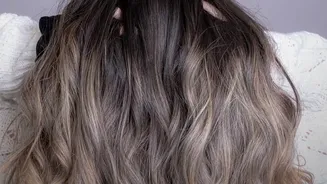
For those with fine hair, achieving volume is often the ultimate goal. A layered haircut is frequently recommended by stylists as the perfect solution. By cutting sections of hair at different lengths, layers can remove just enough weight to create movement,
texture, and the illusion of fullness. This technique prevents the hair from falling into a single, heavy sheet, which can often emphasize its fineness. However, layers are not a guaranteed fix. Without the proper styling, the very texture meant to create lift can collapse, especially on fine hair that is easily weighed down. The wrong products or techniques can counteract the benefits of the cut, leaving you with hair that looks even limper than before.
Long Layers vs. Short Layers for Fine Hair
The type of layers you get is crucial. The choice between long and short layers depends entirely on your hair's needs and your desired outcome. Short layers, which begin higher up on the head, are excellent for creating instant volume and texture at the crown. They are ideal for those who want a bouncier, more shaped silhouette. However, on very fine hair, too many short layers can sometimes make the ends appear thin or wispy. Long layers, in contrast, are more subtle. They start lower down the hair shaft and are designed to add gentle movement while preserving the overall length and density at the ends. This makes them a great option if your primary goal is to introduce some life into your hair without sacrificing the feeling of fullness. Discussing your goals with your stylist is key to getting layers that work for you, not against you.
Why Lightweight Products are Essential
The single most important rule for styling fine, layered hair is to use lightweight products. Fine hair strands have a smaller diameter, making them susceptible to being weighed down. Heavy products like thick creams, serums, and oils coat the hair, adding weight that pulls the roots down and causes layers to collapse. This completely negates the volumizing effect of your haircut. The goal is to find products that provide lift, texture, and hold without the extra baggage. When shopping, look for terms like "volumizing," "thickening," or "lightweight" on the label. The right formula will feel airy and almost undetectable in your hair while still doing its job effectively.
Your Lightweight Styling Toolkit
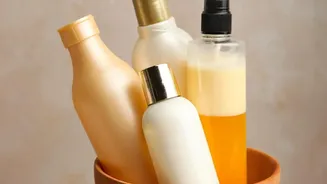
Building a collection of the right styling products is your best defense against flat hair. Start with a volumizing mousse, which is a classic for a reason; its airy foam provides body and hold without being heavy. Apply it to damp hair, focusing on the roots. A root-lifting spray is another essential, designed to be spritzed directly at the scalp for targeted lift before you blow-dry. For adding texture and a bit of grit to hold a style, a texturizing spray or salt spray is perfect for creating that lived-in, piecey look on dry hair. Finally, finish with a light or flexible-hold hairspray. This will lock in your style and combat humidity without creating a stiff, crunchy helmet effect.
Techniques for Lasting Volume
Product is only half the battle; technique is the other. How you dry and style your hair can make a significant difference. One of the most effective methods for creating volume is to blow-dry your hair upside down. This lifts the roots away from the scalp as they dry, creating a foundation of natural volume. When your hair is about 80% dry, flip it back over and use a round brush to smooth the ends and create shape. For even more lift, use the cool shot button on your blow-dryer once a section is dry to set the volume in place. When applying products, always start with a small amount and build up if needed; it's easier to add more than to take away. Focus application on the roots and mid-lengths, avoiding the ends where product can accumulate and weigh hair down.