






A Heart-Healthy Workout in Disguise
Let's start with the basics: dancing is fantastic exercise. The American Heart Association recognizes dancing as a powerful form of endurance exercise that improves cardiovascular health. A vigorous dance session elevates your heart rate, strengthens
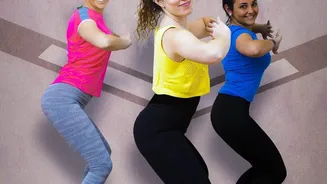
the heart muscle, and can improve circulation. Studies have shown that regular, moderate-intensity dancing can lower the risk of cardiovascular disease, partly by helping to manage blood pressure and improve cholesterol levels. Unlike a monotonous treadmill run, a dance class like Zumba or Salsa offers a high-energy workout that can burn a significant number of calories without you constantly checking the clock. It is a full-body workout that engages multiple muscle groups, improves flexibility, and is often easier on the joints than high-impact sports.
The Unique Power of Moving in Sync
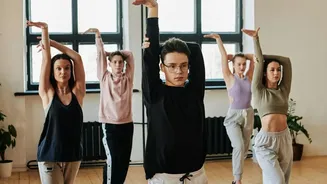
The magic of group dancing, however, goes far beyond the physical benefits. There's a profound psychological component at play, specifically related to the concept of synchrony. When we move together in time with others, whether it's a simple choreographed step or the complex footwork of a folk dance, it creates a powerful sense of unity and connection. Research shows that moving in synchrony with others can increase feelings of closeness, trust, and empathy. This experience weakens the boundaries between 'self' and 'other', fostering a collective identity. This phenomenon helps explain why everything from military marches to team celebrations often involves synchronized movement; it’s a fundamental human tool for building bonds and fostering cooperation.
An Antidote to Modern Loneliness
In an age where social isolation is a growing public health concern, group dancing offers a tangible and enjoyable solution. Dance classes provide a structured, low-pressure environment to meet new people. Unlike a typical social gathering where conversation can be daunting, the shared activity of learning and dancing provides a natural icebreaker. The focus is on the movement and the music, which helps alleviate social anxiety. This shared experience fosters a sense of community and belonging, creating opportunities for connection that feel organic and supportive. For many, a weekly dance class becomes a social anchor, a place to de-stress, have fun, and build lasting friendships.
A Workout for Your Brain
The benefits don't stop at your heart and your social life; your brain gets a major boost as well. Learning and remembering choreography is a powerful cognitive exercise. It engages multiple aspects of brain function, including memory, attention, and spatial awareness. Following steps, staying in time with the music, and coordinating your movements with others stimulates neural pathways and can enhance mental agility. Studies have shown that this combination of physical activity, social interaction, and cognitive engagement may have lasting beneficial effects on brain structure and function, potentially even reducing the risk of dementia.
Accessible Fun for Every Body
Perhaps the most significant reason for the rise of group dancing is its accessibility. The sheer variety of styles available means there is something for everyone, regardless of age, fitness level, or previous experience. From the infectious energy of TikTok dance challenges that have created a global sense of community online, to the structured elegance of ballroom, the vibrant rhythms of Latin dance, or high-energy fitness classes like Zumba, the options are endless. This inclusivity is key. You don’t need to be a professional performer to join in and reap the rewards. The goal isn’t perfection, but participation, movement, and the joy that comes from sharing a rhythm with others.