

River Swells Past Warning Mark
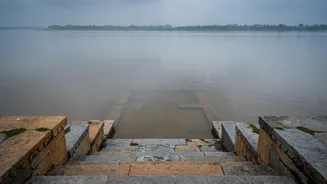
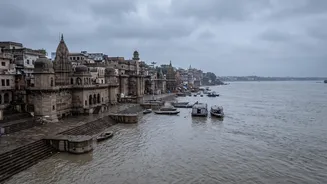
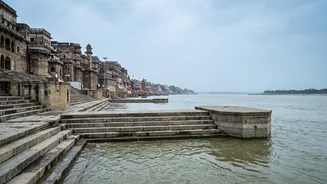
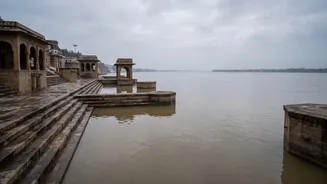
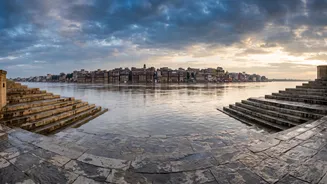
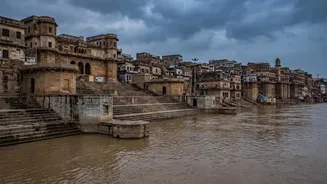
As of early September, the Ganga River in Varanasi has surpassed its official warning level. Reports from the Central Water Commission confirm the water reached 70.54 meters, just above the 70.26-meter warning threshold. While this is still below the official danger
level of 71.26 meters, the steady rise—at a rate of about two centimeters per hour—has prompted authorities to issue alerts and take precautionary measures. This seasonal swelling is a recurring event during India's monsoon, but the current levels have triggered specific actions to ensure public safety along the city's famous riverfront ghats.
Sunrise Boat Rides Put on Hold
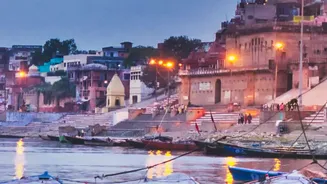
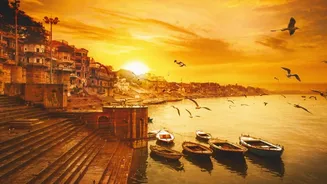
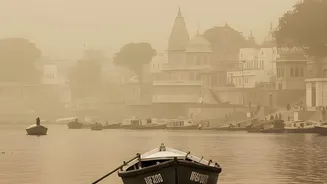
The most immediate and significant impact for tourists is the complete suspension of boat operations. The quintessential Varanasi experience—a serene boat ride at sunrise or amidst the lamps of the evening aarti—is currently unavailable. District authorities have halted all passenger boat services as a safety measure, citing the strong currents and submerged hazards along the ghats. Police and disaster response teams are patrolling the river to enforce the ban. For travelers, this means that one of the city's main attractions is off-limits until the water recedes and officials deem it safe to resume.
Ghats Submerged, but Faith Adapts
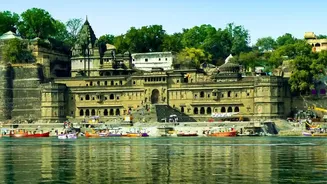
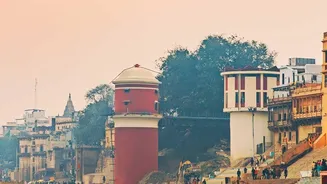
The iconic ghats, the long stretches of steps leading down to the river, are partially submerged. This makes movement between them difficult and has inundated the lower platforms where many rituals take place. However, the spiritual life of the city adapts with remarkable resilience. The famous evening Ganga Aarti at Dashashwamedh Ghat, a spectacle of fire, prayer, and music, has not been canceled. Instead, organizers have moved the ceremony to higher ground, sometimes onto the rooftops of adjacent buildings, to continue the ancient tradition. Similarly, cremations at the sacred Manikarnika Ghat are also being conducted on elevated platforms or terraces as the lower areas are flooded. While access is challenging, the city's core spiritual activities persist.
The Toll on Local Livelihoods
Beyond the inconvenience to tourists, the suspension of river activities represents a significant economic blow to the local community. Thousands of boatmen and their families, who depend on daily earnings from tourist rides, are currently without income. The flooding also affects vendors, small guesthouses, and priests whose livelihoods are directly tied to the bustling life of the ghats. The situation is a difficult waiting game. While the administration has set up relief camps for residents in the most affected low-lying areas, the economic pause is a harsh reality for many who form the backbone of Varanasi's tourism economy. This human element underscores that the rising river is more than just a logistical challenge; it's a direct threat to the financial stability of a large segment of the city's population.