





A New Vision for Wildlife Tourism
Forget the dense forests of central India; this is a safari in the 'third pole'. The newly approved project is India's first-ever organised, high-altitude wildlife safari, set in Ladakh's stunning cold-desert landscape. The plan, given the go-ahead by
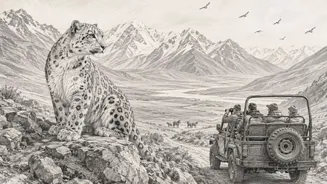
Lieutenant Governor Vinai Kumar Saxena, involves introducing guided jeep safaris along popular snow leopard and birdwatching trails. Unlike traditional safaris, these will use specially designed open-back vehicles operated by trained local drivers and guides. The model is being adapted from successful national parks like Kaziranga and Ranthambore but tailored for the fragile high-altitude ecosystem. The primary goal is to provide a structured and safe way for tourists to witness the region's unique fauna while preventing the environmental damage caused by illegal off-roading and unregulated tourism.
Exploring the Land of High Passes
The safari routes are being planned across some of Ladakh's most iconic and ecologically significant areas. The Forest Department has been tasked with exploring possibilities within the Changthang, Karakoram, and Hemis National Park, which is famous for its snow leopards. Other areas under consideration include wildlife-rich pockets in Nubra, Zanskar, Sham, Kargil, and Drass. These regions are home to more than just the elusive big cat. Ladakh supports an incredible diversity of life adapted to extreme conditions, including over 38 mammal species and 340 bird species. The initiative also includes establishing ten dedicated birdwatching hides at key hotspots, signalling a strong focus on avian tourism. While booking details and exact entry points are still being finalised, the vision is clear: to create a regulated format for visitors to experience these landscapes through observation rather than just driving through.
Spotting the 'Ghost of the Mountains'
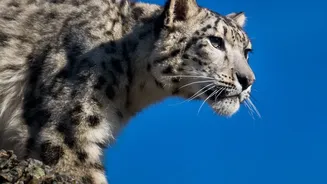
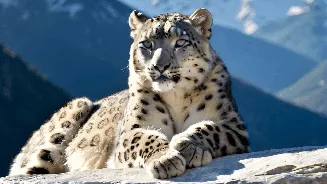
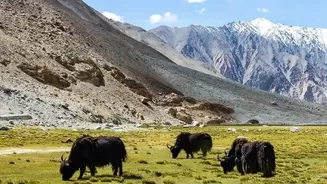
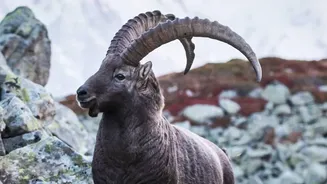
The star attraction will undoubtedly be the snow leopard. Ladakh is home to India's largest population of these magnificent and secretive animals, with an estimated 477 of the country's 718 individuals residing here. Nicknamed the 'ghost of the mountains' for their camouflage and shy nature, spotting a snow leopard is a rare privilege. The new safari aims to increase the chances for enthusiasts while ensuring the animals are not disturbed. The project is being managed by the newly formed Snow Leopard and High-Altitude Nature (SHAN) Conservation Society, highlighting that conservation is at the core of the initiative. While the main viewing season for snow leopards is typically in the winter months, from November to April, the safari will showcase a broader array of high-altitude marvels, including the Tibetan wolf, wild yak, and bharal (blue sheep).
Community at the Core
This project is more than just a tourism venture; it's a model for sustainable development. A key pillar of the SHAN Society's strategy is to make local communities equal partners in conservation. By creating structured livelihood opportunities, the administration aims to give those living alongside wildlife a direct stake in its protection. The plan includes training 20 local youths in birdwatching and wildlife spotting, providing them with professional equipment and skills. Furthermore, there is a push to train local artisans to create and sell wildlife-themed souvenirs, such as miniature replicas of the snow leopard and the black-necked crane, at dedicated shops. This community-centric approach is designed to ensure that the economic benefits of tourism are distributed locally, fostering a sense of custodianship over the region's fragile ecosystem.