







Paradise and Parking Lots
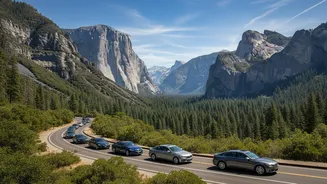
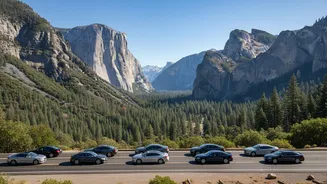
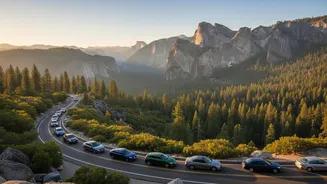
For millions of visitors each year, a trip to Yosemite is a chance to escape into nature. Yet, the reality can often involve long queues at entrance gates and a frustrating search for parking, especially during peak season. This congestion isn't just
an inconvenience; it impacts emergency vehicle access, strains park resources, and can detract from the very wilderness experience visitors are seeking. Park managers have tried various solutions over the years, from pilot reservation systems to adjusting traffic flow, but the fundamental challenge of managing immense crowds in a geographically constrained area has persisted. The problem is clear: how do you help people enjoy the park without being overwhelmed by the sheer volume of cars needed to get there? This long-standing issue is now the focus of a significant technological upgrade.
A High-Tech Helper Arrives
Yosemite is embarking on a new initiative called the Integrated Visitor Information (IVI) Project, funded by a grant from the National Park Foundation. This project aims to harness AI, smart sensors, and other technologies to create a unified system for monitoring and communicating park conditions in real time. It’s part of a broader, $10 million push to bring technological upgrades to 21 national parks across the country, tackling issues from entrance lines at Sequoia and Kings Canyon to connectivity at Muir Woods. At its core, the Yosemite project isn't about replacing rangers with robots, but about giving them, and the public, better information. The goal is to move from reactive traffic management to a proactive, data-driven approach.
How the AI System Works
The project is still in its exploratory phase, but the concept is straightforward. By deploying a network of smart cameras, road sensors, and possibly even license-plate readers, the system will collect vast amounts of anonymous data on traffic flow. An AI-powered machine learning model will then analyze this data to identify patterns, predict developing congestion, and monitor parking lot capacity as it happens. Instead of staff manually observing and reporting a full parking lot, the system can automatically detect it and instantly update various platforms. This includes the park's website, mobile app, digital road signs, and visitor center displays. The AI component is crucial for turning raw data—like the number of cars passing a point—into predictive insights, such as forecasting that a specific valley lot will be full in the next 45 minutes.
A Better Experience for Visitors
For anyone planning a trip, this technology could be a game-changer. Imagine opening the park's app before you even leave your hotel and seeing real-time wait times at entrance gates. While driving toward the valley, you could receive an alert that the main visitor center parking is nearly full, with a suggestion to park at a less crowded lot and take the free shuttle. This system would provide accurate, live updates on everything from road status and chain requirements in winter to shuttle bus locations. By giving visitors this information, the park empowers them to make smarter decisions, adjust their plans on the fly, and ultimately spend less time stuck behind the wheel and more time hiking, sightseeing, and enjoying the landscape. It’s about reducing the friction and uncertainty of a visit.
Smarter Management for Park Staff
Beyond the visitor benefits, the AI system promises to be a powerful tool for park operations. With a clearer, real-time view of traffic patterns, park staff can manage resources more efficiently. For example, they could anticipate bottlenecks and reroute traffic before a major jam occurs, or position staff and volunteers at locations where they are most needed. This data-driven approach also aids long-term planning. By analyzing visitor flow over seasons and years, the National Park Service can make more informed decisions about infrastructure development, shuttle routes, and future visitor access policies. The insights gained from this project in Yosemite could eventually serve as a blueprint for other popular and congested national parks facing similar challenges.