



The Endless Versatility of Jars
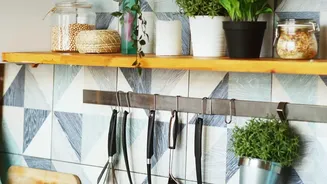
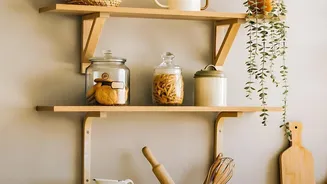
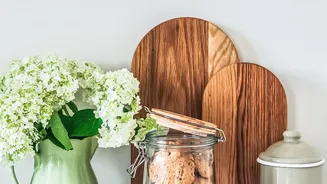
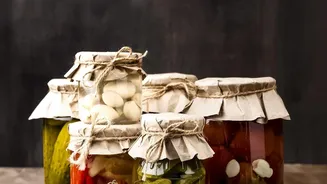
Glass jars, from humble pickle containers to classic Mason jars, are a DIY enthusiast's dream. Their transparent nature and simple shapes make them a perfect canvas for a multitude of projects. For a touch of rustic charm, a collection of jars can be
turned into a beautiful indoor herb garden. Simply fill them with a layer of small rocks for drainage, add potting soil, and plant your favourite herbs like basil, mint, or parsley. For a different kind of glow, jars make excellent candle holders or luminaries. You can paint them, wrap them in twine, or decoupage them with thin napkins to create a soft, diffused light perfect for any room. They also offer a simple storage solution; paint the lids and use them to organise small items in your craft room, or mount the lids under a shelf in the garage for a clever way to store nails and screws.
Plates That Pop Off the Wall
That mismatched set of plates you inherited or the lone survivor of your favourite dinnerware set doesn't have to gather dust. With a little creativity, plates can become stunning pieces of wall art. The key is to think of them as a collection. Arrange plates of varying sizes and patterns on the floor to find a layout you love before hanging. You can create a symmetrical grid for a modern look or a more organic, flowing arrangement for a whimsical feel. To create a cohesive look from a mismatched set, consider spray painting them all in a single colour or a complementary palette. Specialised plate hangers, both adhesive and wire-framed, make it safe and easy to secure your new art to the wall without causing damage. You can even use decals to add words or images to solid-coloured plates for a personalised touch.
The Colander's New Calling
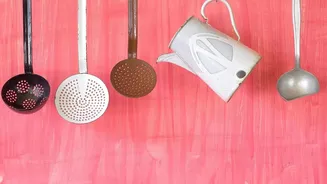
Perhaps the most surprising candidate for upcycling is the humble colander. Its built-in drainage holes make it an ideal vessel for a hanging planter. Simply line the inside with a coffee filter or a piece of moss to prevent soil from escaping, fill with potting mix, and add your favourite trailing plants like ivy or petunias. You can hang it with sturdy chains or colourful ropes for a unique garden feature. Metal colanders also lend themselves to becoming striking light fixtures. An electrician can help you safely wire a colander to be used as a pendant lamp, casting beautiful, dappled light patterns through its perforations. For a simpler project, a brightly painted colander can serve as a rustic fruit basket on your countertop, allowing air to circulate and keep produce fresh.
Tips for a Professional Finish
A few simple techniques can elevate your DIY projects from homemade to handcrafted. When painting glass or ceramic, it's crucial to start with a clean, dry surface. For metal colanders, a coat of primer designed for metal will ensure the paint adheres properly and lasts longer. Don't be afraid to add texture. Wrapping twine around the neck of a jar or using vintage doilies as decorative lid toppers can add a layer of detail that makes the piece feel special. When grouping items, like plates on a wall, consistency is key. Even if the items are different, a unifying element—be it colour, theme, or spacing—will make the final arrangement look intentional and polished. Finally, always consider the item's new function. If you're turning a colander into a planter, ensure it can drain. If you're making a lamp, prioritise safety by consulting a professional.