


The Quiet Life in Empty Spain
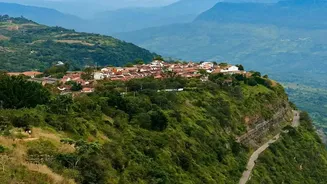
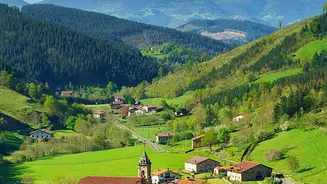
Avellanosa de Muñó is a portrait of what has been called 'Empty Spain,' the vast rural interiors of the country marked by depopulation. Once a community of around 200 in the mid-20th century, the mechanisation of agriculture prompted generations to leave
for cities like Madrid and Bilbao in search of work. Today, life is tranquil for the handful of permanent residents. There are no shops or restaurants. The most regular event is the arrival of a bread van, a lifeline and a social moment for the few who remain. Surrounded by wheat fields and low hills, it’s a place where time moves slowly, dictated by seasons rather than schedules. One elderly resident, born in the village in 1937, has watched it transform from a bustling agricultural hub to a quiet outpost.
A Celestial Appointment
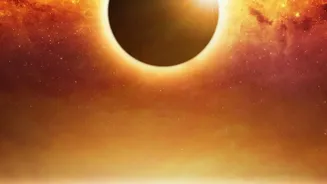
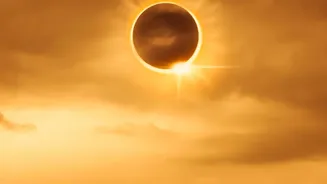
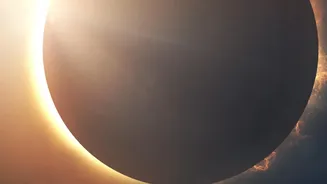
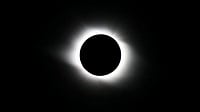
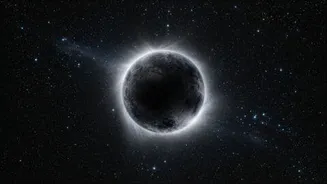
On August 12, 2026, a total solar eclipse will sweep across parts of Greenland, Iceland, and northern Spain. It will be the first total solar eclipse visible from mainland Spain since 1905, making it a monumental event for astronomers and tourists alike. The path of totality—the narrow track where the moon completely obscures the sun—will pass directly over Avellanosa de Muñó. The eclipse is set to occur just before sunset, creating the stunning effect of two sunsets in a single evening. For a few precious minutes, the sun will be a mere eight degrees above the western horizon, turning the sky dark and revealing the sun's ethereal corona. The village’s open landscape and clear westerly views make it a prime, if unlikely, destination for witnessing the spectacle.
From Ten to Thousands
The astronomical alignment has put Avellanosa de Muñó on the world map. Accommodation in the surrounding areas is already fully booked, with eclipse-chasers coming from across Spain and countries like the UK and France. The influx poses an unprecedented logistical challenge. While the headline focuses on Avellanosa de Muñó, it's a story being echoed across rural Spain. Another tiny village, Jabaloyas, with just 66 residents, has become so concerned about being overwhelmed that its mayor has closed vehicle access to its prime mountain viewing spot to protect the environment and ensure public safety. Across northern Spain, searches for accommodation in rural areas along the eclipse path have skyrocketed, with some reports showing an 830% increase. For Avellanosa de Muñó, the population is expected to swell with tourists and former residents returning with their families to share the moment.
An Anxious Welcome
The prospect of the eclipse brings a mix of excitement and apprehension. For a place with minimal infrastructure, the sudden arrival of hundreds or even thousands of people is a daunting thought. There are no hotels or official campsites. The natural viewing points, like the caves overlooking the village recommended by a lifelong resident, will likely become crowded. The event is a double-edged sword: it offers a moment of global recognition and a potential economic boost for the wider region, but it also threatens to overwhelm the very peace and quiet that defines the village. The challenge is one of sustainable tourism, where a global event shines its light on a small community, forcing it to manage an invasion of attention. To add to the celestial drama, the famous Perseid meteor shower is also expected to be visible in the dark skies on the same night, a rare cosmic coincidence.