




Why Your Smoothie Isn't a Meal
A nutritionally complete meal is one that satisfies your hunger and gives your body a balanced mix of macronutrients: protein, healthy fats, and complex carbohydrates, including fibre. This combination helps stabilize blood sugar and provides sustained
energy. The problem with many smoothies is that they are overwhelmingly composed of fruit and sometimes a sugary liquid base like fruit juice. While fruit provides vitamins and some carbohydrates, a fruit-only smoothie lacks the protein, fat, and fibre needed to keep you feeling full and prevent an energy crash. Many store-bought or juice bar smoothies can also be high in sugar and calories, making them more like a dessert than a balanced meal.
The Common Smoothie Traps
One of the most frequent mistakes is using too much fruit or using fruit juice as the liquid base. A cup of orange juice alone can contain over 20 grams of sugar. When you blend multiple pieces of fruit, you concentrate the sugar without the benefit of the whole fruit's structure, leading to blood sugar spikes. Another major pitfall is skimping on protein and fat. Without these key components, your body digests the smoothie rapidly, leading to a return of hunger not long after you've finished your drink. A smoothie intended as a meal replacement should ideally contain at least 20 grams of protein to be truly satiating.
Build a Better Smoothie: Protein Power
Protein is essential for making a smoothie feel like a real meal. It promotes satiety, helping you feel fuller for longer, and is crucial for muscle maintenance and repair. Instead of relying on fruit alone, aim for a significant protein source in every meal-replacement smoothie. Excellent options include plain Greek yogurt, which can provide 15-20 grams of protein per cup, cottage cheese, or a quality protein powder (whey, soy, pea, or rice protein are common). Even additions like nut butters can contribute to the overall protein content.
Add Fibre for Fullness
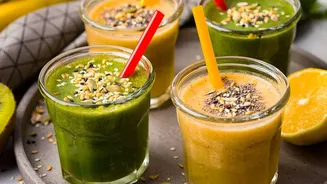
Fibre is another critical component that turns a simple drink into a sustaining meal. It aids digestion and, like protein, helps slow down the absorption of sugar, promoting stable energy levels. If you find yourself hungry shortly after a smoothie, it's likely you need more fibre. Fantastic, easy-to-add fibre sources include chia seeds, ground flaxseeds, hemp seeds, and whole oats. A tablespoon or two is usually enough to boost the fibre content significantly. Leafy greens like spinach or kale are also excellent, low-calorie ways to add both fibre and a host of vitamins and minerals.
Don't Forget Healthy Fats
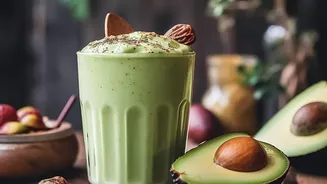
Healthy fats are often overlooked but are key to satisfaction and creating a creamy texture. Fats slow down digestion, contributing to that feeling of fullness that a proper meal provides. They also help your body absorb fat-soluble vitamins. Just one to two tablespoons can make a huge difference. Some of the best sources of healthy fats for smoothies include half an avocado, a spoonful of almond or peanut butter, tahini, or seeds like chia, flax, and hemp. These ingredients not only add nutritional value but also improve the overall taste and creaminess of your blend.