





A Lifeline That Never Arrived
The Sina-Madha lift irrigation scheme was sanctioned decades ago, designed to be a lifeline for the drought-prone regions of Solapur district. By lifting water from the Ujani dam, the project was meant to irrigate thousands of hectares of agricultural
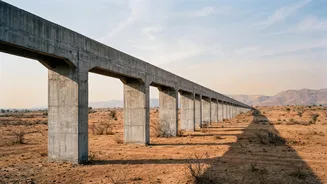
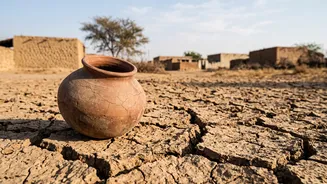
land, transforming the local economy. For villages like Tulshi, which lie in a rain-shadow area, the network of canals promised an end to their dependence on erratic monsoons. While the main canal of the scheme passes just a few hundred metres from the village boundary, the crucial last-mile connectivity—the sub-canals or distributaries that would bring water directly to their farms—was never completed. This has created a frustrating paradox where water is tantalisingly close, yet completely out of reach.
Decades of Dust and Delay
The core of the villagers' grievance lies in the project's staggering 26-year delay. According to residents and the village sarpanch, a mere 800-metre stretch of excavation work is all that stands between them and a permanent solution to their water woes. Over the years, a combination of official apathy, political neglect, and a lack of sustained follow-through has left this critical component of the project in limbo. While neighbouring villages benefit from the irrigation network, growing water-intensive crops like sugarcane, Tulshi remains parched. The incomplete project serves as a stark reminder of repeated assurances from officials and politicians that have failed to translate into concrete action on the ground, leaving a generation of villagers waiting.
The Crushing Impact on Tulshi
The failure to complete the irrigation scheme is not an abstract administrative lapse; it has tangible, devastating consequences. Agriculture, the backbone of Tulshi's economy, has been crippled. Farmers who invested in fruit orchards, like pomegranates, have watched their crops wither and die, forcing them to purchase expensive water from tankers just to keep their plants alive. The crisis extends beyond the farms, impacting daily life with a severe shortage of drinking water for both people and livestock. This economic hardship has triggered a slow exodus, with an estimated 2,000 of the village's 7,000 residents having migrated to cities like Pune and Mumbai in search of work. The water scarcity has even created social issues, with reports of young men in the village finding it difficult to get married as families are reluctant to send their daughters to a place with such an uncertain future.
Official Response and a Glimmer of Hope
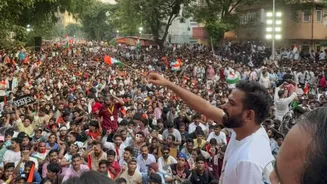
After years of their pleas going unheard, the villagers' recent, highly visible protests, including putting up 'Village for Sale' banners, have finally captured the attention of the authorities. In response to the outcry, Solapur's Guardian Minister Jaykumar Gore visited the village on October 4, 2026, acknowledging the gravity of the problem. He conveyed that the Chief Minister has taken note of the crisis and has promised that the required permissions for a closed pipeline will be fast-tracked. The minister assured residents that the work to connect the village to the water source would be completed by January 2027. The district collector also confirmed that a hydrological survey has been conducted, and a formal proposal for the canal network will be submitted to the state government. Following these assurances, the villagers have taken down their protest banners, holding on to a renewed, albeit cautious, hope.