


Why Look Beyond Wheat and Rice?
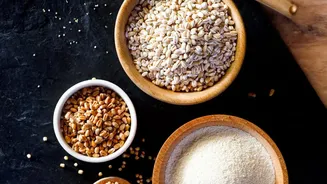
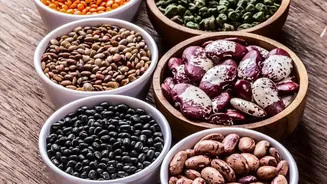
Ancient grains like millets (jowar, bajra, ragi) and others like barley are making a well-deserved comeback in Indian homes. These grains are often gluten-free and packed with nutrients that modern diets sometimes lack. They are rich in dietary fibre,
which aids digestion, helps manage blood sugar levels, and keeps you feeling full longer. Many are also excellent sources of essential minerals like iron, calcium, and magnesium, contributing to everything from bone health to energy levels. By rotating your grains, you provide your body with a wider array of nutrients and add exciting new textures and flavours to your daily meals.
Meet Your New Pantry Staples
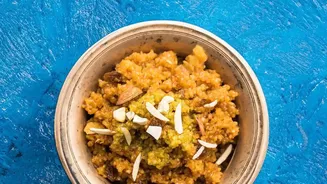
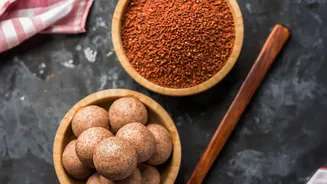
Before building a menu, get to know your key players. India is home to many types of millets, but a few are perfect for beginners. Jowar (Sorghum): A gluten-free grain with a mild, earthy flavour. Its flour is perfect for making soft rotis or bhakri and can be used in porridge. Jowar is prized for being rich in fibre and antioxidants. Bajra (Pearl Millet): With a distinct nutty taste, bajra is a winter favourite known for its warming properties. It's a great source of iron and protein, making it ideal for rotis, khichdi, and even halwa. Ragi (Finger Millet): This reddish-brown grain is a calcium powerhouse, making it fantastic for bone health. Its versatile flour can be used for dosas, rotis, and nutritious porridge. Barley (Jau): A fibre-rich grain that helps in reducing the risk of several lifestyle diseases. It has a chewy texture and is wonderful in soups, salads, and one-pot meals like khichdi.
Monday: The Jowar Advantage
Start your week light and easy. Jowar is excellent for digestion and provides sustained energy. For lunch or dinner, skip the wheat roti and prepare soft Jowar rotis or bhakris. Pair them with a simple dal and your favourite seasonal sabzi. The slightly dense texture of the bhakri is perfect for soaking up flavourful curries. If you are new to making millet rotis, you can start by mixing jowar flour with your regular whole wheat atta to get used to the texture and taste.
Wednesday: Radiant Ragi Power
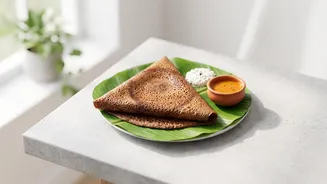
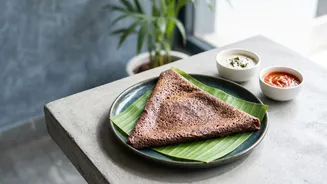
Mid-week is a great time for a nutrient boost. Ragi is famously rich in calcium and iron. Kickstart your morning with a warm bowl of ragi porridge, sweetened with a little jaggery and topped with nuts. For a South Indian twist, try making ragi dosas for breakfast or a light dinner. They are naturally gluten-free and pair beautifully with coconut chutney and sambar. The dark, rich colour adds a unique visual appeal to your plate.
Friday: Hearty Barley Khichdi
End the work week with a comforting one-pot meal. Barley khichdi is a wholesome and filling alternative to the usual rice and dal version. The grain's chewy texture adds a satisfying bite. To prepare, pressure cook soaked barley with moong dal, mixed vegetables, and simple spices like turmeric and cumin. A dollop of ghee on top before serving enhances the flavour and makes it a truly soulful dish. It is a complete meal in itself, packed with fibre and protein.
Weekend: Experiment with Bajra and More
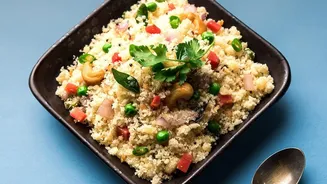
Use the weekend to try something different. Bajra is a fantastic grain, especially in cooler weather. Try your hand at making traditional Rajasthani Bajra rotis, which are slightly thicker and have a wonderful rustic flavour. Pair them with a garlic chutney or a hearty curry. You can also explore other millets like foxtail millet (kangni), which can be cooked just like rice and used to make pulao or upma. The weekend offers the flexibility to experiment without the pressure of a busy weekday schedule.