





The Power of Leafy Greens
Spinach, or palak, is a nutritional heavyweight disguised as a humble leaf. It is exceptionally rich in vitamin K, which is essential for blood clotting and building strong bones. In fact, just one large leaf of spinach can contain over half of your daily
vitamin K needs. This leafy green is also an excellent source of iron, a mineral crucial for creating haemoglobin, which transports oxygen throughout your body and helps prevent fatigue. While spinach contains compounds called oxalates that can slightly hinder iron absorption, lightly cooking or wilting the leaves can help minimize this effect and unlock more of its nutritional value. Beyond iron and vitamin K, spinach provides a wealth of other nutrients, including vitamin A, vitamin C, folic acid, magnesium, and potassium, making it a true superfood.
The Brilliance of the Humble Carrot
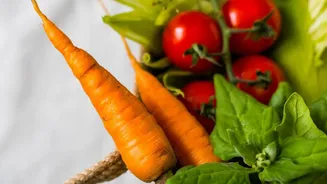
Carrots have long been celebrated for their connection to good vision, and for good reason. They are packed with beta-carotene, a vibrant orange pigment that the body converts into vitamin A. This essential vitamin plays a critical role in eye health, particularly in helping our eyes adjust to low light. But the benefits don't stop there. Vitamin A is also vital for a healthy immune system, cell growth, and reproductive health. Interestingly, cooking carrots can actually make their beta-carotene more available for your body to absorb. Carrots are also a great source of dietary fibre, which aids digestion, helps regulate blood sugar levels, and contributes to a feeling of fullness, making them a smart choice for weight management. They also provide potassium, an important mineral for managing blood pressure.
A Nutritional Comparison
While both vegetables are nutritional champions, they shine in different areas. Spinach has significantly more vitamin K, iron, folate, and calcium than carrots. In contrast, carrots are the undisputed winner when it comes to vitamin A content, thanks to their high concentration of beta-carotene. From a macronutrient perspective, spinach offers more protein per calorie, while carrots are higher in carbohydrates and natural sugars, which give them their characteristic sweetness. The key takeaway is not that one is better than the other, but that they are complementary. Incorporating both into your diet ensures you get a broader spectrum of essential vitamins and minerals that work together to support your overall health.
Better Together in the Kitchen
The distinct flavours and textures of spinach and carrots make them a perfect pair in a wide variety of Indian and international dishes. In a simple sabzi, sautéed carrots provide a sweet, earthy base that balances the slightly mineral taste of wilted spinach. Grated carrots and finely chopped spinach can be mixed into dough for colourful and nutrient-rich parathas or theplas. They can also be blended together in soups, where the sweetness of the carrot mellows the green flavour of the spinach, or combined in hearty lentil dals. For a fresh take, a salad with raw, crunchy carrot sticks and tender baby spinach leaves offers a delightful contrast in textures. Even in dishes like croquettes or rice pilafs, the combination adds colour, nutrition, and flavour.
Making the Most of Your Veggies
How you prepare these vegetables can influence their nutritional payoff. While some nutrients, like vitamin C, can be reduced by heat, others become more accessible. For instance, cooking breaks down the tough cell walls in carrots, making beta-carotene easier for the body to absorb. Similarly, cooking spinach reduces oxalic acid, which can improve the absorption of minerals like iron and calcium. Steaming or sautéing are excellent methods that tend to preserve more water-soluble vitamins compared to boiling. Ultimately, the best way to prepare spinach and carrots is the way you enjoy most, as that will encourage you to eat more of them. Don't be afraid to experiment with different cooking methods to find what works best for your palate and your meals.