





The Tradition: A Go-To for Fevers
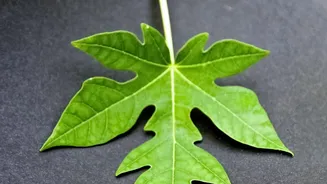
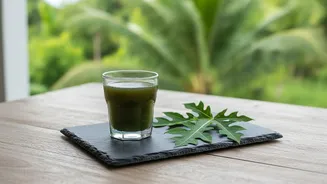
For generations, papaya leaf juice has been a cornerstone of traditional medicine, especially in tropical regions like India, Malaysia, and Sri Lanka. Its popularity surges during monsoon seasons, which often coincide with outbreaks of dengue fever. The
primary belief is that the juice helps combat thrombocytopenia, a condition characterised by a dangerously low platelet count, which is a hallmark of severe dengue. Anecdotal evidence is powerful; many people have personal stories of a family member whose platelet count seemingly stabilised or rose after consuming the juice. This has cemented its reputation as a natural, life-saving remedy in the public consciousness.
The Science: Promising but Limited Studies
The most-studied claim is the link between papaya leaf extract and platelet counts. Several small-scale human trials and animal studies have observed that patients given papaya leaf extract showed a faster rate of increase in platelet count compared to those who only received standard care. Some research suggests that compounds in the leaves, such as flavonoids and alkaloids, may stimulate the genes responsible for platelet production and help stabilise red blood cells. A few studies also indicate it might reduce the duration of hospital stays for dengue patients. These findings are certainly promising and provide a potential scientific basis for the traditional use.
Why Researchers Remain Cautious
Despite these positive signals, the broader medical community remains hesitant to endorse papaya leaf juice as a proven treatment. The main reason is the quality of the evidence. Many of the studies conducted so far have been small, have not included a placebo control group, or have been poorly designed, making the results less reliable. Furthermore, different studies use different forms of the remedy—fresh juice, boiled extract, or standardised capsules—making it difficult to compare results and determine an effective, safe dosage. Scientists point out that in many mild dengue cases, platelet counts recover on their own, making it hard to prove that the papaya leaf juice was the definitive cause of improvement. Until large-scale, high-quality, randomised controlled trials are conducted, the support is considered preliminary, not conclusive.
Other Claims and Potential Risks
Beyond dengue, papaya leaf is also credited with improving digestion, having anti-inflammatory properties, and even possessing anticancer effects, though evidence for these is largely based on in-vitro or animal studies and is far from established for humans. It's also important to remember that 'natural' doesn't always mean 'safe'. Consuming papaya leaf juice, especially in large amounts, can cause gastrointestinal issues like nausea and stomach upset. There are also concerns for specific groups. Pregnant women are often advised to avoid it due to a risk of stimulating uterine contractions. Furthermore, it may interact with blood-thinning and anti-diabetic medications, potentially leading to adverse effects.