








A Clear Shift to Leisure Getaways
The 2026 Independence Day weekend has highlighted a significant trend in Indian domestic travel: a strong preference for leisure destinations over traditional business cities. With the holiday falling on a Saturday, travellers are opting for short, accessible
getaways rather than longer trips. This has led to a surge in demand for hotels, resorts, and vacation rentals in tourist-heavy locations. According to the Federation of Associations in Indian Tourism & Hospitality, hotel bookings were expected to rise by 10-15% for the weekend compared to the previous year. This demand is translating into higher prices, with room rates in popular leisure spots increasing by 10% to 20% year-over-year.
The Allure of Drivable Destinations
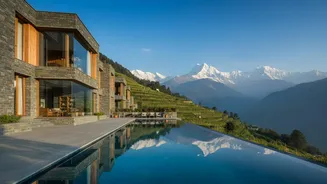
A key driver of this trend is the growing popularity of 'drive-to' holidays. Travellers are increasingly choosing destinations within a two-to-five-hour drive from their homes, prioritising convenience for the shorter long weekend. Locations like Lonavala, Coorg, Nainital, and Corbett have seen particularly strong interest. This preference for road trips and staycations is benefiting a wide range of properties, from established hotel chains to boutique vacation rentals. Some vacation rental platforms have reported occupancy rates reaching as high as 80-85% for the weekend. The appeal of these destinations is further enhanced by pleasant monsoon weather, offering a refreshing escape from city life.
Who Are the Big Winners?
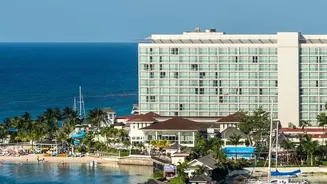
The primary beneficiaries of this travel pattern are properties located in established and emerging leisure hubs. Hill stations, coastal towns, and even pilgrimage sites are experiencing a significant uptick in visitors. Hotel groups with a strong presence in these areas have reported healthy booking numbers. Leisure Hotels Group, for instance, noted robust demand in destinations like Corbett and Nainital, with rates positioned about 20% higher than the previous year. Similarly, destinations like Udaipur are attracting travellers from nearby states such as Gujarat, who can easily drive down for the weekend. Even though some traditional hotspots like Goa are still seeing growth, the more notable surge is in these easily accessible, non-metro locations.
Broader Implications for the Hospitality Sector
This trend isn't just a fleeting holiday phenomenon; it reflects a broader evolution in the Indian hospitality market. The sustained growth in domestic tourism, coupled with investment in better regional connectivity, is making Tier-2 and Tier-3 cities more attractive for both leisure and business. Hotel brands are expanding rapidly into these emerging destinations to keep pace with demand. While major city hotels are also running promotions to attract staycation guests, the most significant growth is happening outside the traditional corporate centres. This shift suggests a more decentralised hospitality landscape, where a diversified portfolio across major cities and smaller leisure markets will be key to long-term success.