




Shinjuku Gyoen, Tokyo
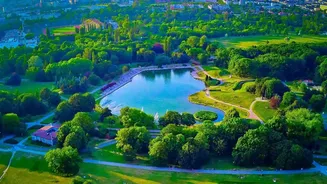
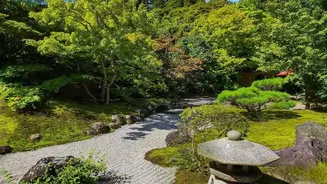
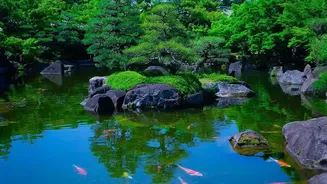
An oasis of tranquility near one of the world's busiest train stations, Shinjuku Gyoen is a masterclass in garden design. It uniquely combines three distinct styles: a traditional Japanese landscape with ponds and bridges, a formal French garden, and a spacious
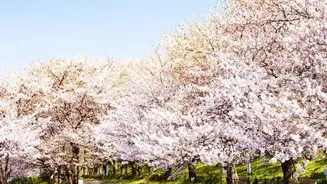
English landscape. This diversity makes it a year-round destination. In spring, it boasts an extended cherry blossom season thanks to over 65 varieties of sakura trees that bloom from February through April. Come autumn, the park is set ablaze with the fiery colors of maple and ginkgo trees, particularly around the Japanese garden and an area fittingly called 'Maple Mountain'. A large greenhouse also showcases tropical and subtropical plants, providing a lush escape even on colder days.
Maruyama Park, Kyoto
As Kyoto's oldest park, Maruyama Park offers a classic and deeply cultural experience. Located next to the famous Yasaka Shrine, it is the city's most popular spot for 'hanami' or cherry blossom viewing parties. The park's undisputed star is a massive, elegant weeping cherry tree, or 'shidarezakura', which is dramatically illuminated at night, creating a magical atmosphere. The current tree is the second generation, continuing a long-standing tradition. While spring draws the biggest crowds, the park is also stunning from mid-November to early December when autumn leaves provide a vibrant backdrop to its ponds and teahouses. Its blend of natural beauty and historical significance makes it a quintessential Kyoto destination.
Ueno Park, Tokyo
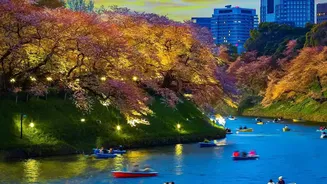
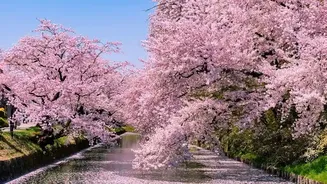
For a truly festive and lively cherry blossom experience, Ueno Park is unmatched in Tokyo. The main path is lined with over 1,000 cherry trees, forming a spectacular pink canopy that attracts millions of visitors. The atmosphere here is less about quiet contemplation and more about celebration, with food stalls and cheerful crowds creating an energetic 'hanami' festival. Beyond the blossoms, Ueno Park is a major cultural hub, home to several of Tokyo's most important museums, a zoo, and the historic Toshogu Shrine. The vast Shinobazu Pond, with its large lotus bed, provides another area of natural beauty, making Ueno Park a place you can easily spend an entire day exploring.
Kenrokuen, Kanazawa
Widely considered one of Japan's three most beautiful landscape gardens, Kenrokuen in Kanazawa is a destination for all seasons. Its name refers to the six attributes of a perfect garden: spaciousness, seclusion, artifice, antiquity, water sources, and magnificent views. While it delights with plum and cherry blossoms in spring and vibrant maples in autumn, Kenrokuen is perhaps most famous for its winter scenery. From November 1, gardeners perform 'yukitsuri,' a traditional method of attaching ropes in conical patterns to the garden's ancient pine trees to protect their branches from the region's heavy snow. The resulting snow-dusted, rope-bound trees create an iconic and breathtaking winter landscape.
Odori Park, Sapporo
Stretching for 1.5 kilometers through the heart of Sapporo, Odori Park functions as the city's main artery and premier event space. It is internationally famous as the main site for the Sapporo Snow Festival, held every February. During this week, the park is transformed into an outdoor museum of immense and intricate snow and ice sculptures, attracting millions of visitors. The sculptures are illuminated at night, creating a fantastical winter wonderland. But the park isn't just for winter. Once the snow melts, it becomes a lush green space filled with flowers. In the summer, it hosts a massive beer garden, offering a refreshing way to enjoy Hokkaido's pleasant weather.