






What We Lost During the Green Revolution
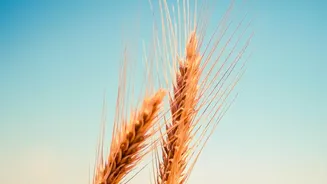
For thousands of years, Indian agriculture was a diverse tapestry of crops. Grains like jowar (sorghum), bajra (pearl millet), and ragi (finger millet) were staples, perfectly adapted to their local environments. These are what we now call 'ancient grains'—crops
that have remained largely unchanged for centuries. However, the Green Revolution of the 1960s, while successful in averting famine, shifted focus almost entirely to high-yield varieties of wheat and rice. This push for mass production required intensive irrigation and fertilisers, sidelining the hardy, traditional grains that had nourished the subcontinent for millennia. As a result, these nutrient-dense crops were often dismissed as 'coarse grains' or food for rural and poor communities, and they gradually vanished from mainstream diets and farms.
Born to Survive a Changing Climate
The very traits that made ancient grains fall out of favour are now their greatest strengths. In an era of climate uncertainty, their resilience is a crucial asset. Many millets and sorghum varieties are exceptionally drought-tolerant, requiring significantly less water than rice and wheat. Sorghum needs about a third of the water corn does, while some millets use 70% less water than rice. Their extensive and deep root systems allow them to thrive in poor, arid soils where modern crops would fail. Furthermore, many of these grains mature quickly—some in as little as 65 days—allowing farmers to work with shorter or more unpredictable rainy seasons. This inherent toughness makes them a low-risk, low-input option for small farmers who are most vulnerable to the impacts of unpredictable weather like sudden heatwaves and erratic monsoons.
More Than Just a Hardy Crop
The benefits of reviving ancient grains extend far beyond the farm gate. Nutritionally, they are powerhouses compared to their refined modern counterparts. Millets are rich in protein, fibre, and essential minerals. Ragi has three times the calcium of milk, while bajra is packed with iron. With a lower glycemic index, they are also beneficial for managing blood sugar levels. Economically, embracing these grains can empower small and marginal farmers by reducing their dependence on expensive seeds, fertilisers, and pesticides. Environmentally, their cultivation improves soil health, enhances biodiversity, and reduces the carbon footprint of agriculture. This trifecta of benefits—for health, farmers' livelihoods, and the planet—makes them a compelling solution to several of India's pressing challenges.
Bringing Ancient Grains Back to the Table
Recognising this immense potential, there is a growing movement in India to bring these grains back into the mainstream. The Indian government has been actively promoting millets, even spearheading the UN's declaration of 2023 as the 'International Year of Millets'. Initiatives like the National Food Security Mission now include specific programmes to boost the production of nutri-cereals. State governments in Karnataka, Odisha, and others have launched their own millet missions. Simultaneously, chefs, entrepreneurs, and health-conscious consumers are creating new demand. Millets are appearing in everything from breakfast cereals and bread to noodles and snacks, reintroducing them to the urban palate. The challenge now is to build a robust ecosystem that covers everything from processing and distribution to marketing, ensuring these ancient treasures become a staple in modern Indian kitchens once again.