


The Contenders: A Brief Introduction
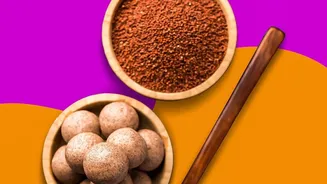
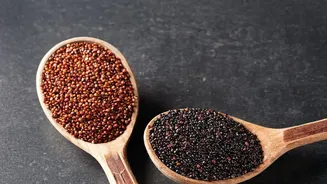
Ragi, also known as finger millet, has been a cornerstone of Indian agriculture for thousands of years, especially in southern states like Karnataka. It's a hardy crop, revered for its nutritional value and its role in traditional dishes like ragi mudde
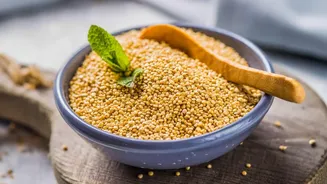
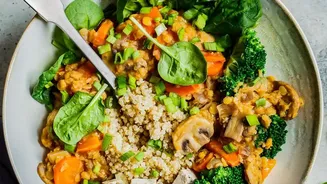
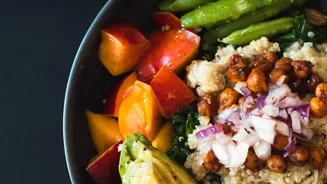
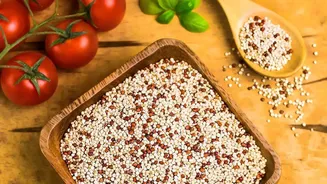
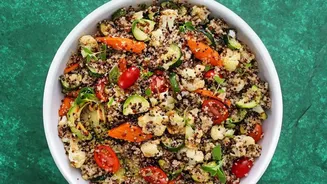
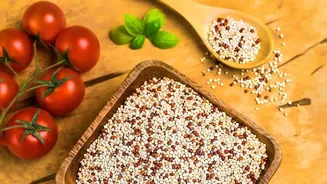
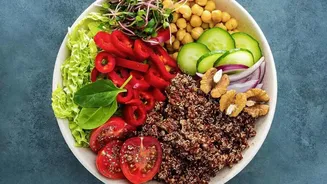
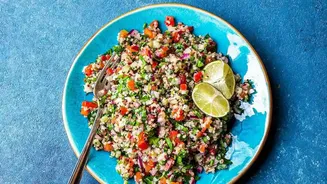
and porridge. Quinoa, on the other hand, is a seed that hails from the Andean region of South America. It gained global fame for being a 'complete protein' and has become a staple in health-conscious kitchens worldwide. Both are gluten-free, making them excellent choices for those with sensitivities.
The Protein Power Play
Quinoa's biggest claim to fame is its protein content. It's one of the few plant-based foods that contains all nine essential amino acids, making it a complete protein. Per 100 grams (uncooked), quinoa offers about 14 grams of protein. Ragi contains about 7-8 grams of protein per 100 grams. While not a complete protein on its own (it's lower in the amino acid lysine), this is easily remedied. Traditional Indian eating habits, like pairing ragi with dal or curd, create a complete amino acid profile, effectively matching quinoa's benefit.
Calcium and Minerals: Ragi's Superpower
This is where ragi truly shines and pulls far ahead. Ragi is one of the richest plant-based sources of calcium. A 100-gram serving of ragi contains approximately 344 mg of calcium, which is crucial for bone health. In comparison, the same amount of quinoa provides around 47 mg of calcium. For Indian diets, which can often be deficient in calcium, ragi is an exceptional nutritional asset. When it comes to other minerals like iron, the two are more competitive, but some millets like bajra (pearl millet) contain significantly more iron than quinoa.
Fibre Content and Digestive Health
Both grains are good sources of dietary fibre, which is essential for digestive health, keeping you feeling full, and managing blood sugar levels. Ragi generally has a slight edge, containing around 11 grams of fibre per 100 grams, while quinoa has about 7 grams. This high fibre content makes both grains beneficial for weight management and preventing constipation.
Glycemic Index and Diabetes Management
The glycemic index (GI) measures how quickly a food raises blood sugar levels. Both ragi and quinoa have low GI values, making them excellent choices for individuals with diabetes. Ragi's GI is typically around 54, while quinoa's is about 53. Their complex carbohydrates and high fibre content ensure a slow release of sugar into the bloodstream, preventing sudden spikes.
The Practical Side: Cost and Accessibility
For most Indian households, this is a significant factor. Ragi is a locally grown crop, making it widely available and highly affordable. Quinoa, being largely imported, is considerably more expensive, often costing four to five times more than ragi. This price difference makes ragi a more sustainable and practical choice for daily consumption.