







Why Gentle Movement Can Help
Bloating often occurs when gas becomes trapped in the digestive tract or when digestion becomes sluggish. This can be due to diet, stress, or a sedentary lifestyle. Yoga can help by providing a unique combination of physical and mental benefits. Certain
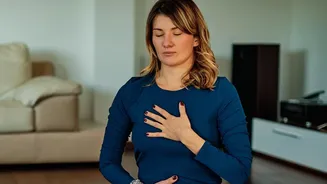
poses apply gentle pressure to the abdominal organs, which can help move trapped gas through the intestines. Twisting motions are particularly effective, as they massage the digestive tract and can stimulate peristalsis—the wave-like muscle contractions that move food and waste along. Furthermore, the focus on deep, mindful breathing in yoga helps activate the parasympathetic nervous system, also known as the 'rest and digest' state. When your body shifts out of a stress response, it can dedicate more energy to proper digestive function, helping to ease discomfort from the inside out.
Your 5-Pose Routine for Relief
This beginner-friendly sequence is designed to be gentle and effective. Move slowly, listen to your body, and never push into pain. It's best to practice on an empty stomach, perhaps in the morning or a few hours after a meal. Hold each pose for about 30 to 60 seconds, or 5 to 10 slow, deep breaths.
1. Cat-Cow Pose (Marjaryasana-Bitilasana)
This dynamic movement warms up the spine and gently massages your abdominal organs. Start on your hands and knees in a tabletop position, with your wrists under your shoulders and knees under your hips. On an inhale, drop your belly, lift your chest and tailbone, and look forward (Cow Pose). On an exhale, round your spine toward the ceiling, tuck your chin to your chest, and press the mat away (Cat Pose). The continuous flow between these two positions stimulates blood flow to the gut and can relieve tension in the abdomen.
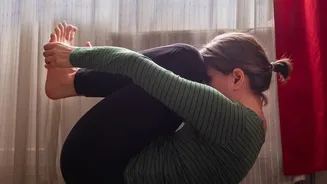
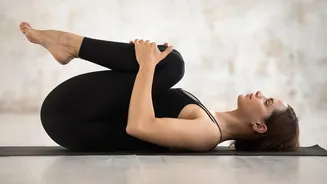
2. Wind-Relieving Pose (Pawanmuktasana)
As its name suggests, this pose is excellent for releasing trapped gas. Lie on your back with your legs extended. Exhale and draw your right knee toward your chest, holding it with your hands clasped around your shin or the back of your thigh. Keep your left leg extended or bend it with your foot on the floor for more lower back support. Hold for several breaths, feeling the gentle pressure on the right side of your abdomen. Release and repeat on the left side. Finally, draw both knees into your chest and hug them gently. You can even rock slowly from side to side for a light back massage.
3. Supine Spinal Twist (Supta Matsyendrasana)
Twists are among the best poses for digestive health, as they help wring out the abdominal organs and encourage movement. Lying on your back, draw both knees into your chest. Extend your arms out to the sides in a 'T' shape. As you exhale, gently lower both knees to the right side, keeping your shoulders flat on the floor. You can turn your gaze to the left for a deeper stretch if it's comfortable for your neck. This pose massages the ascending and descending colon, which can help relieve constipation and bloating. After several breaths, return to the center and repeat on the left side.
4. Child's Pose (Balasana)
This restorative pose provides gentle compression to the belly while calming the nervous system. From a kneeling position, sit back on your heels. You can keep your knees together or take them slightly wider than your hips, which may be more comfortable if you feel very bloated. Fold forward, resting your torso between or on top of your thighs, and rest your forehead on the mat. Your arms can be extended in front of you or rest alongside your body. Breathe deeply into your back and belly, allowing the gentle pressure to soothe your abdomen.
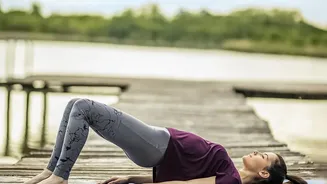
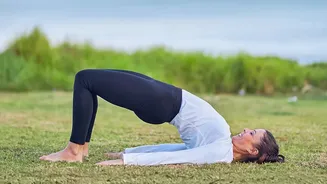
5. Bridge Pose (Setu Bandhasana)
While many digestive poses involve compression, Bridge Pose creates space. It gently stretches the abdominal muscles, which can feel relieving when you're bloated. Lie on your back with your knees bent and feet flat on the floor, hip-width apart. Press into your feet and lift your hips off the floor. Keep your thighs parallel and interlace your hands on the floor beneath your pelvis if you like. This gentle backbend stimulates the abdominal organs and improves circulation to the gut region. Hold for a few breaths before slowly rolling your spine back down to the floor.