






The Foundation of Good Care
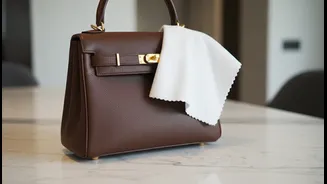
The secret to making leather last isn't a complicated process or expensive kit; it starts with a simple, consistent habit. Regularly wiping down your leather goods with a soft, dry cloth is the single most effective preventative step you can take. Over
time, invisible particles of dust, dirt, and grit settle on the surface. While they may not be obvious, these abrasive particles can slowly wear away at the leather's finish, leading to a dull appearance and even microscopic scratches that weaken the material. A quick, gentle wipe-down a few times a week removes this buildup before it can cause damage. This simple ritual ensures that grime doesn't get a chance to work its way into the pores of the hide.
Choosing the Right Kind of Cloth
Not all cloths are created equal when it comes to leather. The ideal choice is a soft, lint-free cloth. Many experts recommend a dry microfiber or a clean cotton cloth. The goal is to lift dust without scratching the surface. One source suggests avoiding microfiber cloths on smooth leather, arguing they can be too effective and strip the surface of its natural oils, recommending cotton instead. The key takeaway is gentleness. Whichever you choose, ensure it is clean and dry for your regular dusting. Never use abrasive sponges or rough paper towels, which can easily cause permanent damage to the leather's delicate finish.
Dealing with Minor Spills and Marks
For fresh spills or light marks that a dry cloth can't handle, you can graduate to a slightly damp cloth. The emphasis here is on slightly. Leather is porous and excessive water can lead to stains, warping, or even mildew if not dried properly. Moisten your soft cloth with a small amount of water—ideally distilled water to avoid mineral deposits—and wring it out until it is just damp, not wet. Gently blot the affected area rather than rubbing aggressively. Rubbing can push the stain deeper into the leather. After blotting the spill, let the area air dry naturally. Never use a hairdryer or place the item near a heater, as direct heat can cause the leather to shrink, stiffen, and crack.
When a Deeper Clean Is Needed
For more significant dirt buildup or stubborn stains, a damp cloth with water may not be enough. This is when you should turn to a dedicated pH-balanced leather cleaner. Household cleaners, vinegar, alcohol-based wipes, and dish soap are generally too harsh and can strip the leather of its essential natural oils, leading to dryness and cracking. Before applying any new product, always perform a patch test on a small, hidden area of the item to ensure it doesn't cause discoloration. Apply the cleaner to your soft cloth, not directly onto the leather, and work it into the surface in gentle, circular motions. After cleaning, wipe away any residue with a clean, damp cloth and allow the item to dry completely before the next step.
The Crucial Follow-Up: Conditioning
Cleaning, while necessary, can remove some of the leather's natural moisture. Conditioning is the process of restoring those oils to keep the material supple, flexible, and resilient. Neglecting to condition is a common mistake that leads to brittle, cracked leather. Think of it as a moisturiser for the skin. A good quality leather conditioner should be applied every few months, or whenever the leather starts to feel dry. Using another clean, soft cloth, apply a small amount of conditioner in circular motions. Let it absorb for at least 15-30 minutes, or even overnight, then buff off any excess with a dry cloth. This not only nourishes the leather but also provides a protective barrier against future stains and wear.