


Beyond Giza's Crowds
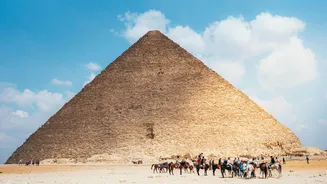
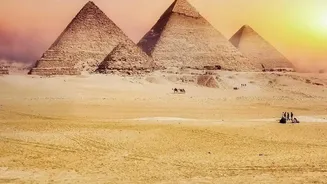
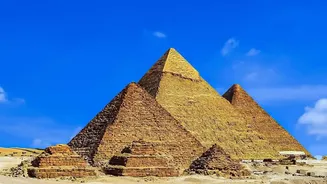
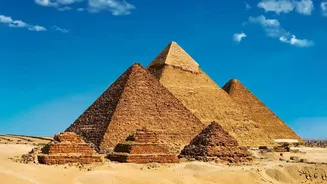
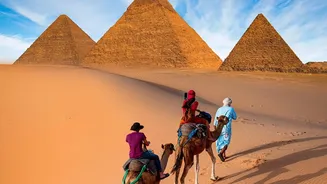
The Great Pyramids of Giza are, without question, a sight that every traveller should experience. Their scale and history are breathtaking. However, the experience can be diluted by large crowds, persistent vendors, and a theme-park atmosphere. For a more
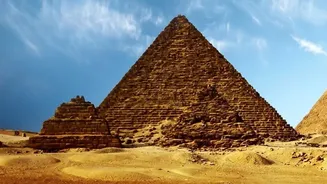
personal and profound encounter with Egypt's pyramid-building age, consider a trip to Dahshur and Saqqara, just south of Cairo. The Saqqara necropolis is home to the famous Step Pyramid of Djoser and feels less curated and more authentic than Giza. Even more evocative is Dahshur, where you can often explore the Bent Pyramid and the Red Pyramid with only a handful of other visitors. Entering the Red Pyramid, often with its chambers virtually empty, offers a sense of discovery that is hard to find at its more famous northern neighbour.
Tombs of Daily Life
The Valley of the Kings in Luxor is a spectacular burial ground for pharaohs, holding some of the most famous tombs in the world. The downside is that its popularity means long queues and crowded, stuffy tomb passages. While you should absolutely visit, balance it with a trip to the nearby Valley of the Nobles or the Deir el-Medina (the Village of the Workmen). The tombs of the Nobles are smaller but contain incredibly vibrant and detailed paintings depicting daily life, rather than just royal and religious scenes. They offer a fascinating glimpse into the lives of high-ranking officials. Even more intimate are the tombs at Deir el-Medina, the artisans who built the royal tombs. Their own final resting places are jewel boxes of art, revealing the personal beliefs and artistic flair of the common, yet highly skilled, people of ancient Egypt.
Temples of Colour and Calm
Karnak and Luxor Temples are staggering in their scale and historical significance. But their very fame means they are perpetually busy. To experience the awe of an Egyptian temple in relative peace, consider a day trip to the temple complexes of Dendera and Abydos. Abydos, a major pilgrimage site in antiquity, is home to the Temple of Seti I, which contains some of the most beautifully preserved and finely carved reliefs in all of Egypt. Further on, the Temple of Hathor at Dendera is one of the country's best-preserved temples, famous for its intact roof and stunning blue ceilings adorned with astronomical carvings. These sites are less crowded, allowing for a more contemplative experience of their intricate beauty.
Sailing the Serene Nile
A journey on the Nile is central to the Egyptian experience. The majority of travellers opt for large cruise ships, which offer comfort and convenience but operate on rigid schedules and dock alongside dozens of other similar vessels. For a more romantic and flexible journey, consider the alternatives. A Dahabiya is a traditional, elegant sailboat with a small number of cabins, offering a boutique, personalised experience. These boats can stop at small islands and riverside villages that the large cruisers cannot access. For the truly adventurous, a multi-day trip on a felucca, a simple traditional sailboat, offers the most authentic connection to the river. Sleeping on the deck under the stars and being propelled only by the wind is an unforgettable, elemental experience.
Markets Beyond the Main Bazaar
Cairo's Khan el-Khalili is the most famous bazaar, a whirlwind of souvenirs, spices, and lanterns. It's an essential experience, but can be intense. For a more authentic and less tourist-focused shopping day, seek out Cairo's other markets. The Street of the Tentmakers (Sharia al-Khayamiya) is a covered medieval market where artisans create stunning appliquéd textiles called khayamiya. Here, you can watch the craftsmen at work in a much calmer atmosphere. For high-quality, artisan-made handicrafts from across the country, the Souk al-Fustat near Coptic Cairo is a quiet, organised market where you can buy ceramics, glassware, and leather goods directly from their makers.