





The Freshness Trap
There's nothing quite like the taste of a freshly made dip or chutney. Whether it’s a bright green coriander-mint chutney served with samosas or a creamy coconut chutney alongside a dosa, these wet condiments offer an immediate burst of flavour and freshness.
However, their greatest strength is also their biggest weakness: their high moisture content. Fresh chutneys are perishable by nature. Once made, they typically last only a few days in the refrigerator before their taste, colour, and texture begin to degrade. This short lifespan often leads to food waste, as busy schedules and changing meal plans mean they're not always used up in time.
Enter Podi: The Pantry Powerhouse
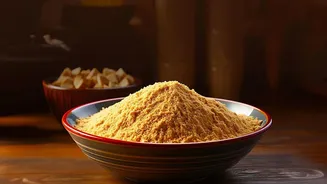
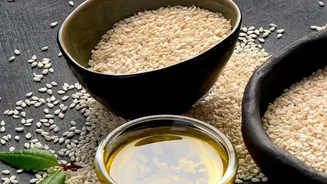
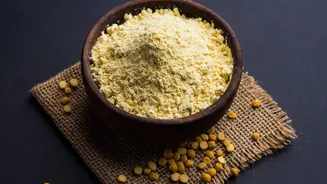
This is where podi, a staple in South Indian cuisine, steps in as a game-changing solution. Often called 'gunpowder' for its explosive flavour, podi is a coarse, dry powder made from a blend of roasted lentils, seeds, and spices. Its origins trace back centuries, born from a need to preserve ingredients and flavours without refrigeration. The process is an art of its own: ingredients like urad dal, chana dal, sesame seeds, and dried red chillies are slow-roasted to develop deep, nutty, and smoky aromas before being ground. The result is a condiment that is intensely flavourful and, crucially, shelf-stable.
The Shelf-Life Showdown
The primary advantage podi holds over its wet counterparts is its longevity. The magic lies in the lack of moisture. By dry-roasting and grinding the ingredients, nearly all water content is removed, creating an environment where bacteria and mould cannot thrive. While a fresh chutney might last a week at best, a well-made podi stored in an airtight container can last for several months at room temperature. This makes it an incredibly reliable pantry staple, ready to deliver flavour at a moment's notice without the worry of spoilage or the need for refrigeration.
A Universe of Versatility
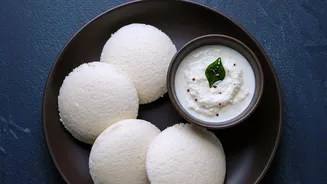
While traditionally mixed with ghee or sesame oil and served with idli or dosa, podi’s utility extends far beyond the breakfast table. Its dry, granular texture allows it to be used in ways a wet chutney cannot. Think of it as a multi-purpose seasoning. You can sprinkle it over steamed rice for a quick, comforting meal, toss it with roasted vegetables to add a crunchy, spicy crust, or even use it to season eggs, avocado toast, and yoghurt. Some modern uses even see podi sprinkled over pasta or used as a dry rub for paneer and chicken, showcasing its incredible adaptability in contemporary cooking.
Flavour, Nutrition, and Convenience Combined
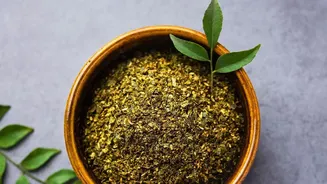
Beyond its practicality, podi offers a complex flavour profile that is difficult to replicate. Each blend is a carefully balanced mix of nutty, spicy, and savoury notes. Furthermore, many podis are packed with nutritional benefits. Lentil-based podis are a good source of protein, while others incorporate healthful ingredients like curry leaves, moringa, or flax seeds, which are rich in antioxidants, vitamins, and fibre. In a modern kitchen where time is precious, podi represents the perfect marriage of tradition and convenience. It offers a quick, healthy, and flavourful way to elevate everyday meals without the pressure of a ticking expiration date.