







The Soaring Price of Intelligence
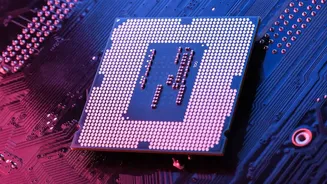
Artificial intelligence might seem like magic, but it runs on very real, very expensive hardware. At the heart of the AI boom is “compute”—a term for the massive processing power required to train and run complex models. This power comes from thousands
of specialized chips called Graphics Processing Units (GPUs) housed in sprawling data centers. The cost of this infrastructure is astronomical. Globally, tech giants are projected to spend over $600 billion on AI infrastructure in 2026 alone, a huge jump from the previous year. For a startup or university research lab in India, the cost of renting enough high-end GPU capacity from cloud providers, which can run into thousands of rupees per hour for a single powerful chip, is often prohibitive. This creates a significant barrier, concentrating the ability to build cutting-edge AI in the hands of a few corporations with deep pockets.
A Proposal to Democratise AI
To address this challenge, the Indian government is considering a significant intervention. A proposal is reportedly under discussion for a National Frontier AI & Compute Fund (NFAICF) with a potential corpus of ₹15,000-20,000 crore. The fund's primary goal is to level the playing field by providing long-term risk capital to Indian companies developing advanced AI and, crucially, to help finance the creation of domestic computing infrastructure. This initiative would complement the existing IndiaAI Mission, which already has an approved outlay of over ₹10,000 crore to boost the nation's AI ecosystem by providing subsidized access to computing, among other objectives. The new fund, however, would be a more dedicated financial tool aimed directly at the most capital-intensive aspects of AI development.
Bridging the Great Compute Divide
The gap between the AI 'haves' and 'have-nots' is known as the compute divide. Currently, a handful of US and Chinese tech giants own and control the majority of the world's advanced AI infrastructure. This concentration risks stifling innovation, as startups and academic researchers who cannot afford access are effectively locked out of creating and experimenting with large-scale foundation models. The proposed fund aims to directly tackle this divide within India. By providing capital for GPU clusters and specialized data centers, it would give Indian innovators the tools to compete. The goal isn't just to build models, but to create an ecosystem where AI becomes more accessible and affordable, much like how widespread mobile data transformed India's digital economy.
How Might the Fund Work?
While details are still being discussed, the fund is expected to operate as a critical financing mechanism. One model being explored involves the government acting as an anchor investor to attract private capital, potentially creating a public-private partnership to build out this essential infrastructure. The support could come in several forms. It might provide direct funding to startups working on what is known as 'frontier AI'—the most advanced models. It could also be used to establish sovereign data centers offering subsidized compute hours to researchers and small companies, a model that has been explored by other countries. This would reduce reliance on foreign cloud providers and give Indian innovators a domestic, more affordable alternative for their most demanding AI workloads.
Challenges on the Road Ahead
Creating a national compute resource is not without challenges. A key question will be governance: how will the fund's resources be allocated fairly and transparently to ensure the most promising projects receive support? Keeping pace with the relentless speed of technological advancement is another hurdle. The AI hardware landscape changes rapidly, and any infrastructure built will need a clear plan for upgrades to remain relevant. Furthermore, the energy required to power these massive data centers is a major concern globally, and India will need to align its AI ambitions with its sustainable energy goals. Despite these obstacles, the proposal signals a clear strategic intent to ensure India is not just a consumer of AI technology, but a significant creator of it.