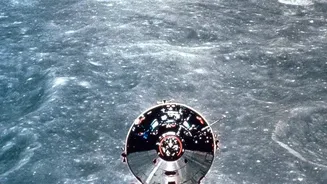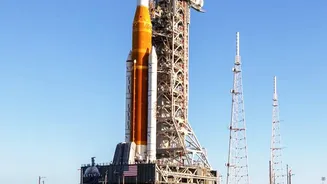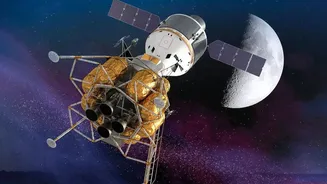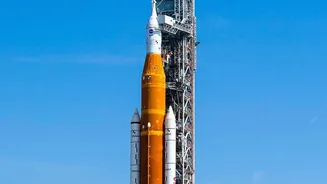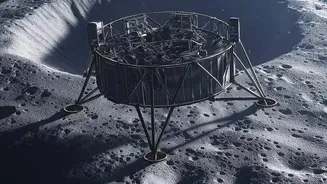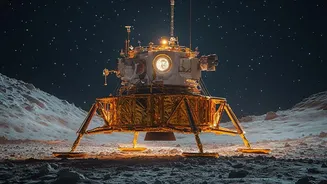

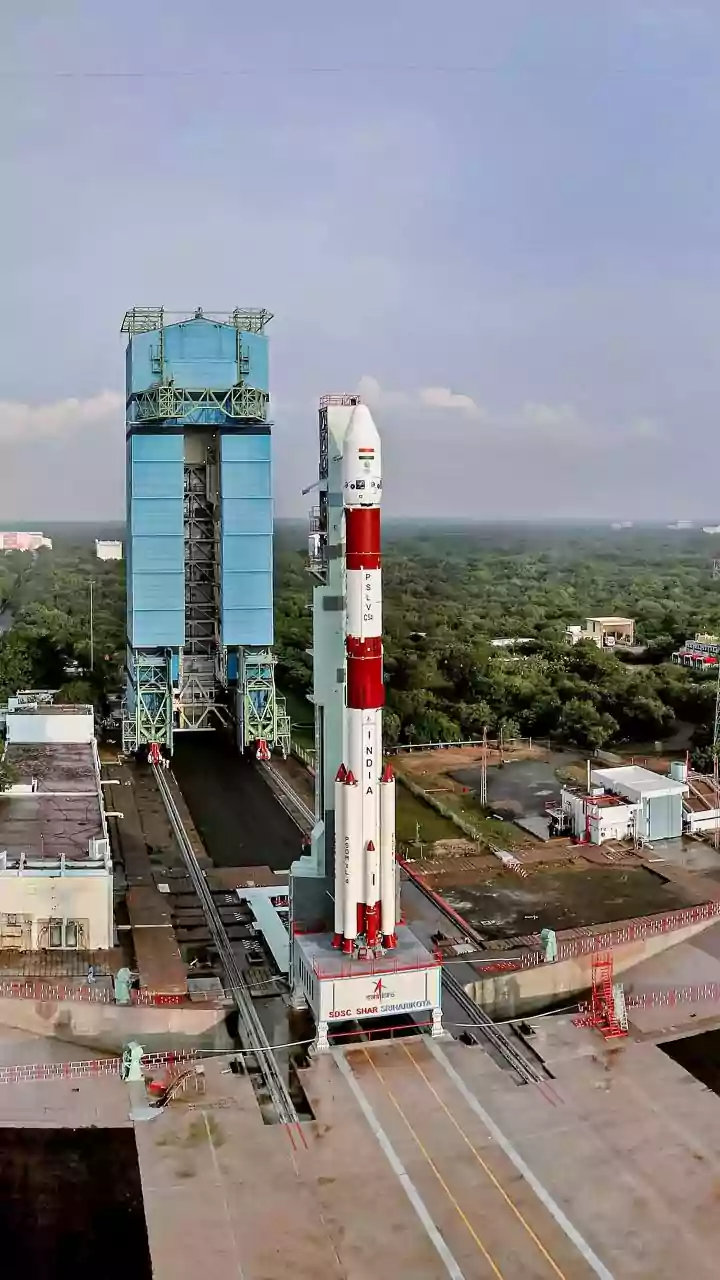
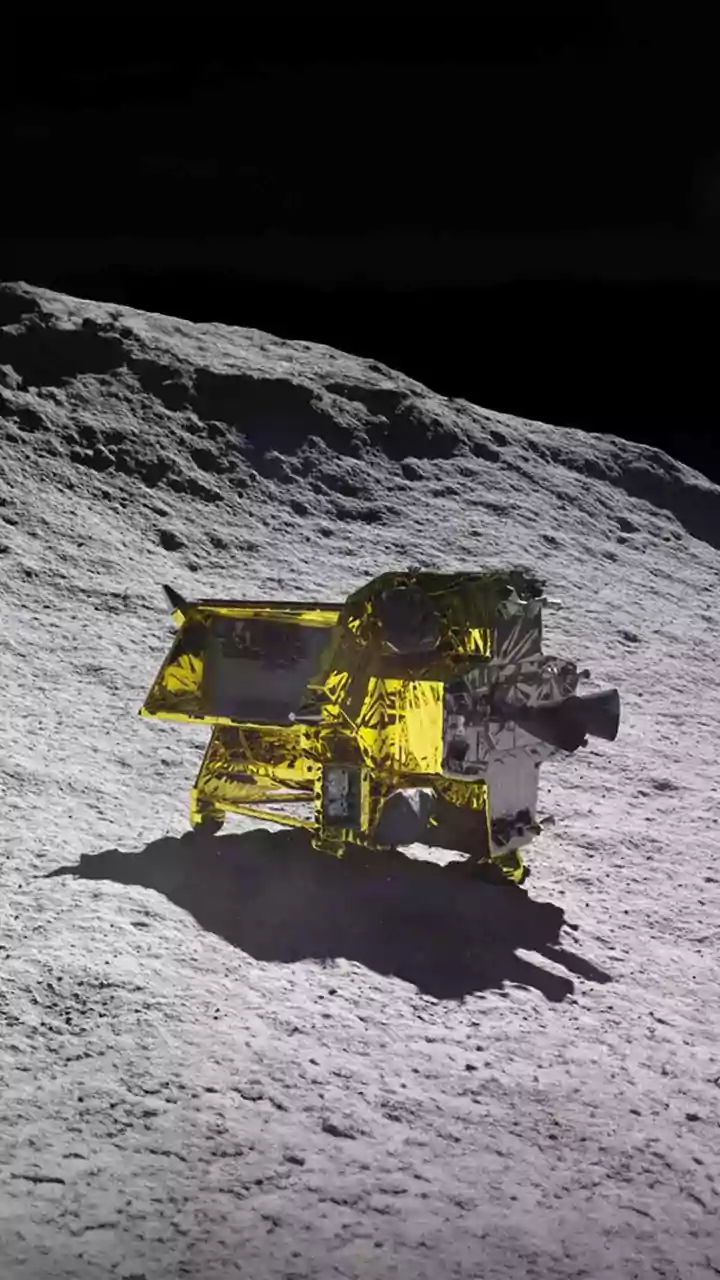

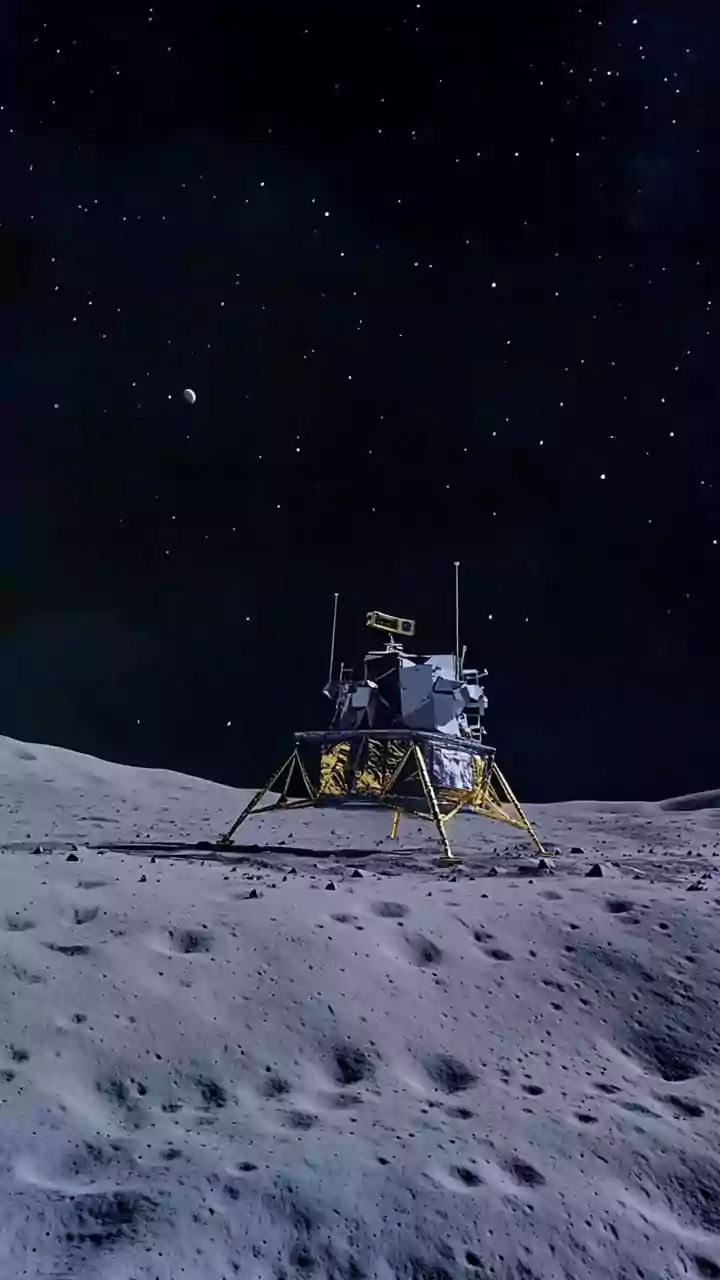

Humanity is returning to the Moon, but this time, the goal isn't just to visit. NASA's ambitious Artemis program aims to build a permanent outpost, and its chosen location is one of the most extreme and promising places in the solar system.
The Lure of Shadow and Light
The lunar South
Pole might seem like an unlikely spot for a base. It's a land of harsh extremes, with temperatures in permanently shadowed craters plunging to -250 degrees Celsius. Yet, it's this very feature that makes it so valuable. For decades, scientists have theorized, and recent missions have confirmed, that these dark craters hold vast quantities of water ice. This ice is the 'gold' of the new space rush. It can be harvested for drinking water, broken down into oxygen for breathing, and processed into hydrogen and oxygen for rocket propellant. Just as importantly, the rims of these same craters are bathed in near-constant sunlight. This provides an almost uninterrupted power source for solar panels, solving one of the biggest challenges of lunar living: surviving the two-week-long lunar night.
Artemis Base Camp: A Foothold on a New World
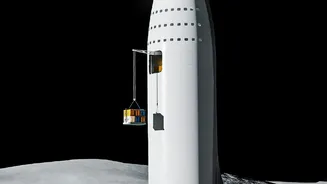
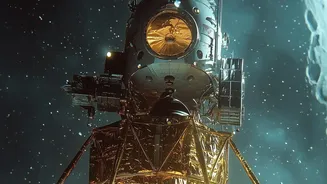
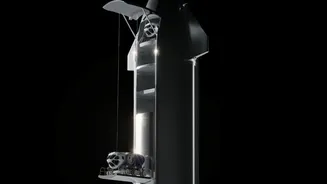
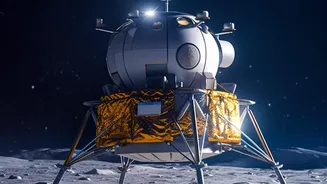
Don't picture a sprawling city just yet. The initial 'Artemis Base Camp' will be a modest but highly capable outpost. According to NASA's plans, it will consist of a few key elements: a simple surface habitat for up to four astronauts on short stays, an unpressurized Lunar Terrain Vehicle (LTV) for exploring the immediate area, and a pressurized 'habitable mobility platform'—essentially a high-tech camper van allowing astronauts to go on weeks-long expeditions away from the main base. These elements will be delivered over a series of Artemis missions, with commercial partners like SpaceX and Blue Origin playing a critical role in developing landers and transportation. The entire effort is designed to be incremental, establishing a reliable way for humans to live and work on the Moon before expanding.
Living Off the Land
The key to making a lunar base sustainable is a concept called in-situ resource utilization (ISRU), which is a fancy way of saying 'living off the land'. The cost of launching every litre of water, kilogram of oxygen, or tool from Earth is astronomical. ISRU aims to drastically reduce that dependency. NASA and its partners are developing robotic technologies to excavate the lunar regolith (soil) and extract the frozen water within it. Beyond water, the lunar soil itself holds promise. It contains oxygen and metals and could potentially be used as a construction material, perhaps with 3D-printing technologies, to build landing pads, radiation shields, and other structures. Demonstrating these technologies on the Moon is a critical step, as the same principles will be needed for any future human mission to Mars.
Overcoming Extreme Challenges
Establishing a home on the Moon is an immense technological challenge. The environment is unforgiving. Beyond the extreme temperature swings, there is the constant threat of radiation from solar flares and cosmic rays, which requires significant shielding for habitats. Then there's the lunar dust. Far from the soft powder it appears to be, regolith is composed of tiny, sharp, abrasive particles of glass and rock. This dust gets everywhere, abrading space suit seals, clogging mechanisms, and posing a health hazard if inhaled. Micrometeorite impacts are another constant danger. Every piece of equipment, from rovers to habitats, must be designed to withstand this hostile environment for years. The missions will build on each other, with the first crewed landing near the pole now slated for Artemis IV in 2028, after earlier missions test key systems.