



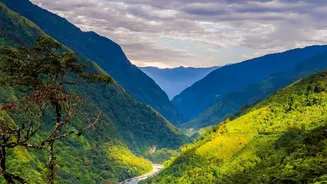
The Land of the First Sun
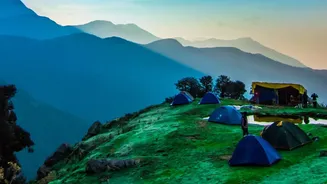
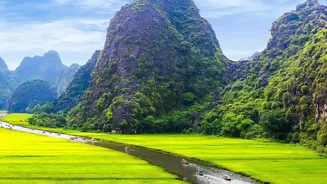
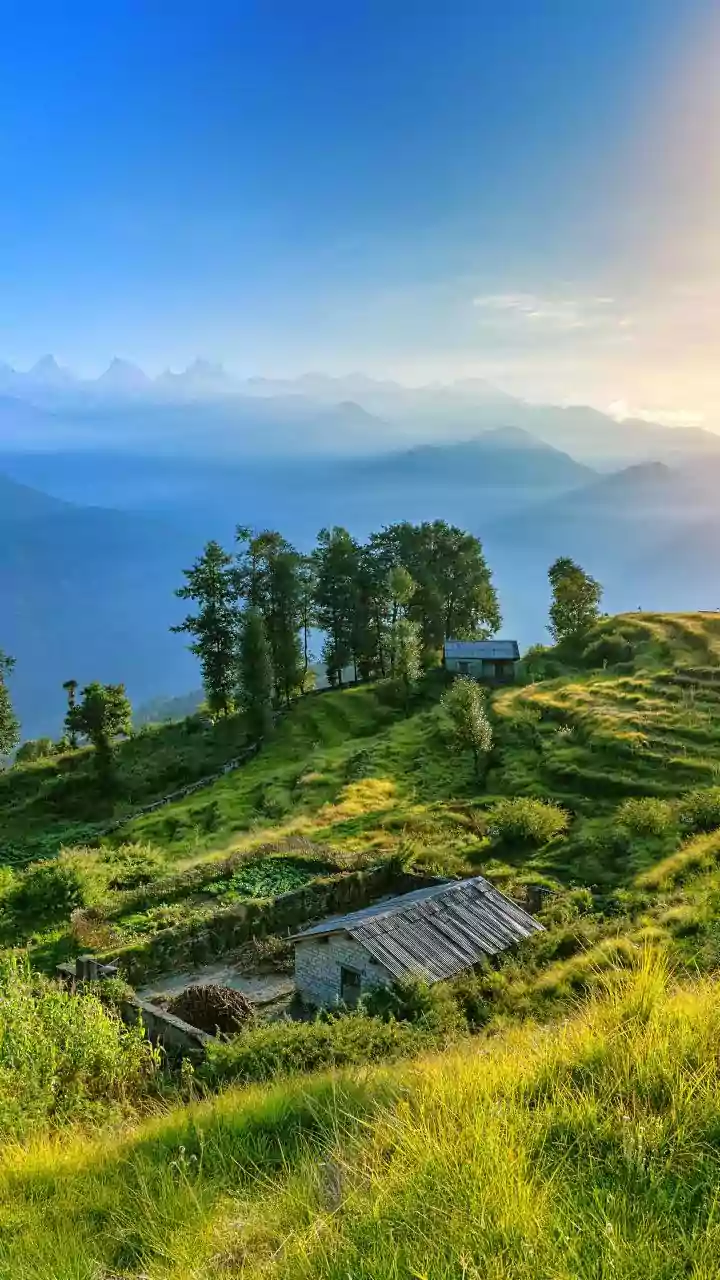
Perched at an altitude of 1,240 metres, Dong Valley is a pristine landscape of pine forests and lush mountains in the Anjaw district. It sits at a strategic tri-junction where the borders of India, China, and Myanmar converge. This geographical distinction
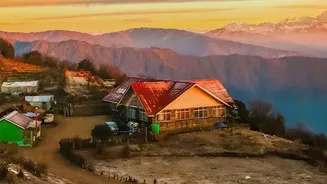
makes it the first inhabited place in the country to be touched by the morning sun. While the rest of the nation is still under the cover of darkness, the peaks around Dong are bathed in golden light, an event that occurs as early as 4 AM in the summer. The valley is home to the Meyor tribe, a small and resilient community that inhabits this beautiful but isolated region. The area gained prominence after it was identified in 1999 as the location for India's first sunrise, drawing adventure and nature enthusiasts ever since.
The Journey to the Starting Line
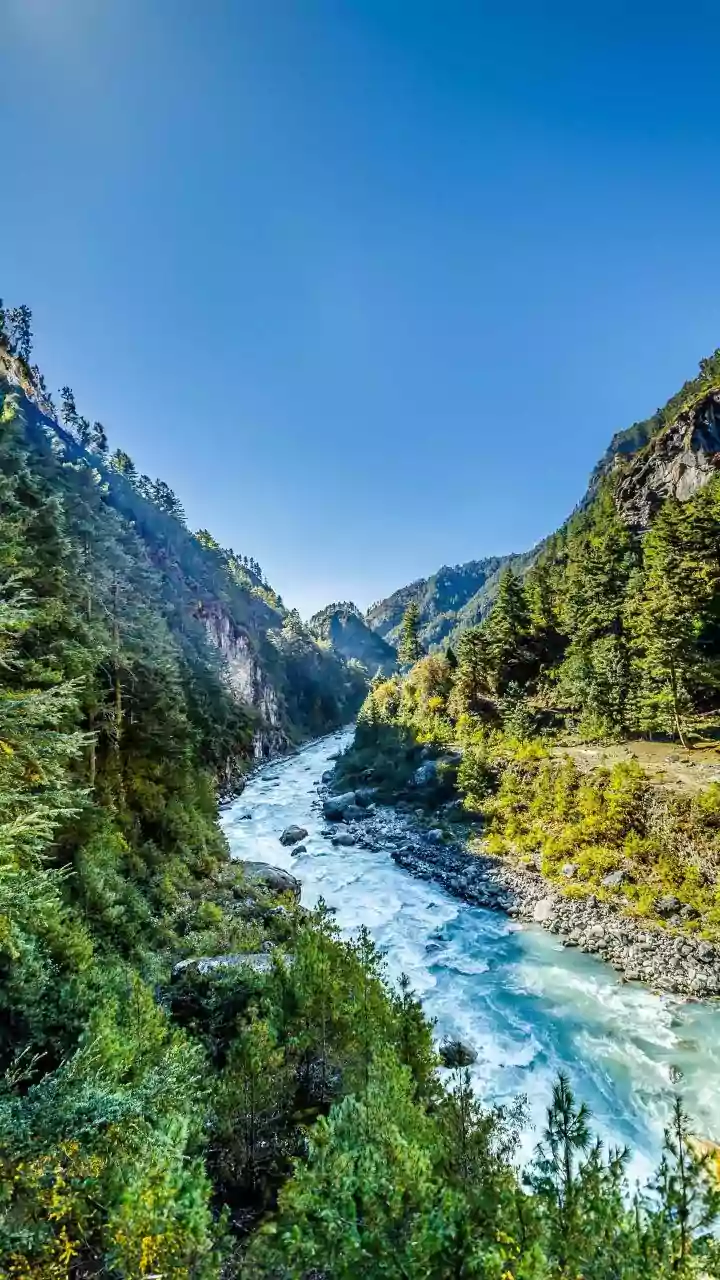
Reaching Dong Valley is an adventure in itself, a multi-day commitment that takes you deep into the heart of Arunachal. The journey typically begins with a flight to Dibrugarh Airport in Assam, the nearest major air hub. From Dibrugarh, travellers embark on a long road trip, usually breaking the journey at Tezu, the headquarters of the neighbouring Lohit district. The drive from Tezu to Walong, the nearest town to Dong Valley, is a scenic yet challenging route that follows the Lohit River through mountainous terrain. Walong serves as the base camp for the sunrise trek. It's a small administrative town with basic guesthouses and homestays where travellers rest and acclimatise before their early morning ascent. Given the remoteness, services are limited, so it's essential to plan this leg of the journey with buffer days.
A Midnight Trek to Millennium Point
The final part of the pilgrimage is a trek that begins in the dead of night. To catch the first rays, trekkers must start from Walong around 2 AM. A short drive takes you to the trek's starting point, from where a guide is mandatory. The trail is a steep, 8-kilometre climb through fragrant pine forests, navigated in darkness with only headlamps to light the way. The trek takes approximately 90 minutes to two hours, leading to a viewpoint often referred to as Millennium Point. This is the spot where people gathered on January 1, 2000, to witness the first sunrise of the new millennium. The climb is moderately challenging, but the anticipation of the celestial event ahead provides more than enough motivation to push through the cold and dark.
A Sunrise Like No Other
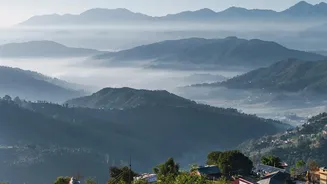
As you wait at the viewpoint, the sky slowly transitions from inky black to deep blue, then to a spectacular canvas of pink, orange, and gold. The first rays of light strike the snow-capped peaks, creating a breathtaking spectacle as the sun crests over the mountains. Below, the confluence of the Lohit and Sati rivers glistens, and the entire valley is slowly unveiled from the morning mist. The experience is more than just a visual treat; it's a moment of profound peace and accomplishment. Watching the sunrise from Dong is a reminder of nature's grandeur and a unique privilege, knowing you are the first in a billion-strong nation to greet the new day.
Essential Travel Planning
The best time to visit Dong Valley for clear sunrise views is from October to February, when the skies are crisp and clear, though spring (March to May) also offers pleasant weather. Monsoon season, from July to September, should be avoided due to heavy rainfall and the risk of landslides. All domestic tourists require an Inner Line Permit (ILP) to enter Arunachal Pradesh. This can be applied for online through the official government portal and is checked at various points. Accommodation is limited to basic homestays and government guesthouses in Walong, so booking in advance is crucial. Pack warm layers regardless of the season, as the early morning hours are always chilly, along with sturdy trekking shoes, a headlamp, a basic first-aid kit, and enough cash, as the last reliable ATM is in Hayuliang.