









The Great Green Wave
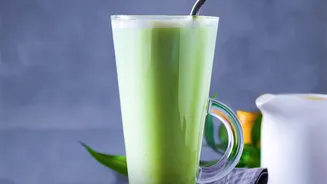
There's no denying matcha's moment in the spotlight. Recent Google search data confirms a massive spike in curiosity, with searches for 'how to make matcha' surging by 1,300% over the past year. This interest goes beyond just ordering it at a cafe; people
are buying matcha whisks and bowls, indicating a move towards making it a home ritual. The trend is also driven by health perceptions, with searches for 'matcha health' and 'matcha protein' climbing dramatically. From Delhi to Goa, consumers are not only trying the drink but experimenting with versions like 'mango matcha' and 'strawberry matcha'. But while matcha makes for a great headline, it’s only one part of India's evolving beverage story.
The Bubble Tea Takeover
Look beyond the green latte, and you'll find another international import with a powerful hold on the Indian market: bubble tea. With its endless customizations, chewy tapioca pearls, and appeal to younger demographics, bubble tea is a formidable trend. The market in India, valued at over USD 336 million in 2026, is expanding steadily. Different reports project significant growth, with compound annual growth rates estimated between 4.98% and 13.5%. Brands are localizing their offerings with flavours like masala chai and aam panna to resonate with regional tastes, driving growth beyond Tier-1 cities. This combination of novelty and familiarity has cemented bubble tea's place as a mainstream beverage choice, not just a fleeting trend.
Kombucha and the Gut Health Boom
The wellness wave has brought another contender to the forefront: kombucha. This fermented tea, packed with probiotics, is riding the global and local interest in gut health. The Indian kombucha market is experiencing robust growth, with projections showing its value could more than triple by 2034. This surge is powered by health-conscious consumers looking for functional alternatives to sugary sodas. Dozens of artisanal and local brands have emerged, offering unique flavours and capitalizing on the demand for natural, health-supporting drinks. Kombucha's rise shows a clear consumer desire for beverages that do more than just quench thirst; they need to offer tangible health benefits.
A New Chapter for Coffee
While new drinks arrive, an old favourite is reinventing itself. India's coffee culture is undergoing a sophisticated transformation. The market is shifting from instant coffee and traditional filter kaapi towards a 'third wave' of specialty coffee. This trend is marked by a growing interest in artisanal brewing methods like pour-overs and AeroPress, single-origin beans, and experimental processing techniques. The Indian specialty coffee market was valued at over USD 3 billion in 2025 and is projected to more than double by 2031, growing at a CAGR of 13.75%. Driven by a young, urban population with higher disposable incomes, specialty coffee chains are expanding rapidly across the country, turning coffee consumption into a premium, experiential ritual.
The Resurgence of Roots
Perhaps the most significant trend is the one looking inward. There is a powerful revival of traditional Indian drinks, driven by a desire for authenticity and natural wellness. Beverages like sattu sharbat, aam panna, jaljeera, kokum, and thandai are being rediscovered and celebrated. Startups are packaging these age-old recipes in modern, convenient formats, highlighting their inherent functional benefits—sattu as a protein drink, shikanji as an electrolyte replenisher. This movement is about more than just nostalgia; it represents a cultural reclamation of indigenous food wisdom, appealing to consumers who are increasingly proud of local flavours and ingredients.