






The Price of a Souvenir
Recently, forest department officials in the Gudalur region have been authorised to impose fines of up to ₹25,000 on anyone found plucking or damaging the famous Kurinji flowers. This strict measure comes in response to a surge in visitors, many of whom,
caught up in the excitement of capturing the perfect photo, were seen uprooting plants and taking flowers as souvenirs. The Ministry of Environment, Forest and Climate Change has listed the Neelakurinji under Schedule III of the Wildlife (Protection) Act, making its destruction a serious offence punishable with fines and even imprisonment. The steep penalty serves as a clear signal: the momentary beauty of a bloom is part of a delicate life cycle, and protecting it is a collective responsibility.
More Than Just a Flower
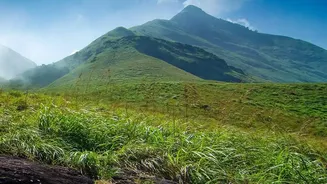
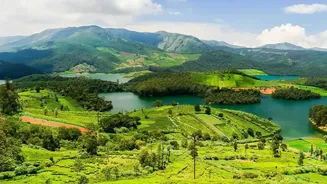
The focus of this conservation battle is primarily the Strobilanthes kunthiana, or Neelakurinji, a shrub that puts on a breathtaking display of purplish-blue flowers only once every 12 years. This rare spectacle is so significant that the Nilgiri mountains—literally 'Blue Mountains'—are named after the haze of colour it casts across the landscape. This mass blooming is a 'reproductive big bang' for the plant, a crucial event for its survival that involves releasing seeds for the next generation. Plucking even a single flower disrupts this sensitive cycle. This natural event also supports a host of wildlife, from bees to the endangered Nilgiri Tahr, making the flower a key indicator of the ecosystem's health.
The Double-Edged Sword of Tourism
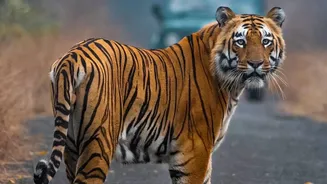
The very phenomenon that makes the Nilgiris famous is also its greatest vulnerability. The mass flowering events attract tourists in huge numbers. While this brings economic benefits, the environmental cost is mounting. Unregulated tourism leads to trampling of grasslands, destruction of young saplings, increased plastic waste, and general disturbance of the fragile shola-grassland ecosystem. Officials report that despite warnings, many visitors, fueled by social media trends, often venture into prohibited areas for selfies, unaware of the damage they cause or the risk of encounters with wildlife like elephants that frequent these corridors.
A Landscape Under Pressure
The Nilgiri Biosphere Reserve, a UNESCO World Heritage site, faces threats that extend far beyond tourist misbehaviour. For decades, vast stretches of its unique montane grasslands have been lost to agriculture, tea plantations, and the spread of invasive species like eucalyptus. This habitat loss directly impacts the survival of endemic species like the Neelakurinji, which is now officially listed as 'Vulnerable' by the IUCN. Climate change adds another layer of stress, with altered rainfall patterns and temperature shifts threatening to disrupt the plant's precise 12-year blooming clock.
Guarding the Blue Mountains
In response, authorities are stepping up protection measures. Besides imposing hefty fines, the forest department restricts entry to sensitive areas during blooming seasons and has deployed additional personnel to monitor tourist activity. Protected areas like Eravikulam National Park serve as crucial sanctuaries, though they too face immense visitor pressure. Conservation groups and government bodies are working on habitat restoration, controlling invasive species, and running awareness campaigns to educate visitors. The goal is to find a sustainable path that allows people to witness this natural wonder without destroying it in the process.