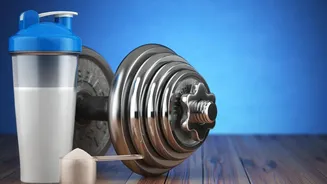





Myth: You Need Protein Powder to Build Muscle
This is one of the most persistent myths in fitness. While protein is absolutely essential for repairing and building muscle tissue after exercise, the source doesn't have to be a supplement. Whole foods like chicken, fish, eggs, paneer, lentils, and beans
provide the same essential amino acids your body needs for muscle synthesis. The primary advantage of protein powder is convenience. It's a quick and easy way to get a concentrated dose of protein, especially when you're short on time or have a low appetite. However, whole foods offer a broader spectrum of nutrients, including vitamins, minerals, and fibre, which are also vital for overall health and performance. You can absolutely build muscle without ever touching a protein shake, as long as you meet your daily protein needs through a balanced diet.
Myth: More Protein Always Means More Muscle
The idea of 'the more, the better' does not apply to protein intake. Your body has a limit to how much protein it can use for muscle repair and growth in one sitting. Studies show that consuming around 20-40 grams of protein per meal is generally sufficient to maximize muscle protein synthesis. Anything beyond that doesn't provide additional muscle-building benefits. Instead, the excess protein is either used for energy or, if you're in a calorie surplus, converted and stored as fat. Consistently overconsuming protein (more than 2 grams per kilogram of body weight) can also place a metabolic burden on your kidneys and liver and may be associated with other health risks.
Myth: You Must Drink a Shake Within 30 Minutes of a Workout
The concept of the 'anabolic window'—a brief 30 to 60-minute window post-exercise for optimal nutrient absorption—is largely a myth. While it's true that your muscles are primed for repair after a workout, modern research shows this window is much wider, lasting several hours. The most critical factor for muscle growth is your total daily protein intake, spread reasonably throughout the day, not the precise timing of one shake. So, there's no need to panic and sprint for your shaker bottle the moment you finish your last set. Eating a protein-rich meal within a couple of hours of your workout is perfectly effective for recovery and growth.
Myth: All Protein Powders Are the Same
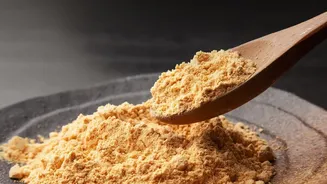
The supplement aisle can be confusing, but it's important to know that not all protein powders are created equal. They differ in their source, digestion speed, and amino acid profile. Whey protein, derived from milk, is fast-digesting and rich in leucine, an amino acid crucial for initiating muscle synthesis, making it popular for post-workout recovery. Casein, also from milk, digests slowly, providing a steady release of amino acids over several hours. Plant-based proteins from sources like pea, soy, and rice are excellent options for vegans or those with dairy intolerance, though some may need to be blended to provide a complete amino acid profile. Choosing the right one depends on your dietary needs, goals, and timing.
Myth: Protein Powder is a Magic Bullet for Weight Loss
While protein can be a powerful ally in weight management, it's not a magic solution. Protein aids weight loss by promoting satiety, meaning it helps you feel fuller for longer, which can reduce overall calorie intake. It also has a higher thermic effect of food, meaning your body burns more calories digesting protein compared to fats and carbohydrates. However, protein powders still contain calories. If you're adding protein shakes to your diet without adjusting your overall calorie consumption, you will gain weight. The key to weight loss is maintaining a consistent calorie deficit through a combination of diet and exercise, and protein is just one part of that equation.