



The Soul of the Bowl: Understanding Gochujang
The star ingredient that elevates this dish from simple to spectacular is gochujang, a staple of Korean cuisine. This thick, crimson paste is made from red chili powder, glutinous rice, fermented soybeans, and salt. The fermentation process is key, as it
creates a complex flavor that is much more than just spicy. Gochujang delivers a trifecta of tastes: a savory, umami depth from the soybeans, a subtle sweetness from the rice, and a satisfying, lingering heat from the chilies. Unlike some hot sauces that offer one-dimensional fire, gochujang provides a rounded, pungent, and slightly funky profile that adds incredible depth to sauces and marinades. When used as the base for a tofu bowl sauce, it creates a glaze that is simultaneously fiery, sweet, and savory, coating every ingredient with its rich flavor.
The Secret to Truly Crispy Tofu
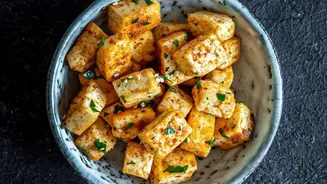
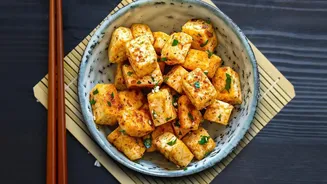
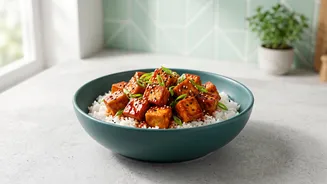
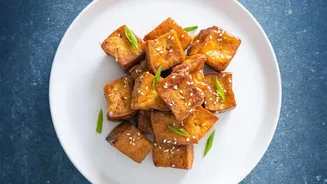
The perfect counterpoint to the soft rice and rich sauce is irresistibly crispy tofu. The headline hints at the most crucial step: cooking the tofu separately. Adding it to a sauce too early will result in a soft, braised texture, but crisping it first guarantees a delightful contrast. The process begins with selecting the right type—firm or extra-firm tofu is essential, as softer varieties will fall apart. The next non-negotiable step is removing as much water as possible. Pressing the tofu block between paper towels under a heavy object for at least 15 minutes is a common method. Some cooks even advocate for soaking the tofu in a hot salt brine before drying, which helps draw out moisture and seasons the tofu from within. Once dry, cube or tear the tofu into bite-sized pieces; torn pieces create more craggy edges for the sauce to cling to. A light toss in cornstarch can also help achieve maximum crispiness. Finally, pan-fry the tofu in a hot, oiled skillet until each side is golden brown and crisp before setting it aside.
Building a Balanced Gochujang Sauce
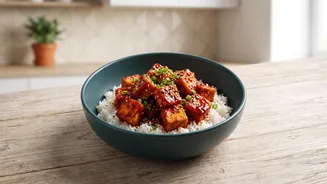
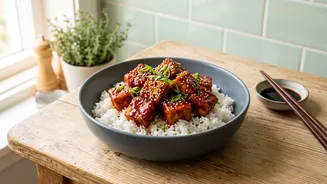
While gochujang is the main flavor, it's rarely used alone. A well-balanced sauce tames its intensity and enhances its complexity. A classic combination starts with gochujang paste and thins it with other liquids. Soy sauce (or tamari for a gluten-free option) adds saltiness and umami, while a touch of sesame oil provides a nutty aroma. To balance the heat and fermented notes, a sweetener is crucial. Maple syrup, honey, or even agave can be used to round out the flavor profile. Rice vinegar introduces a bit of acidity for brightness, and freshly minced garlic and ginger provide an aromatic foundation. Simply whisk these ingredients together in a small bowl. After your tofu is crisped, you can warm the sauce in the same pan for a minute before tossing the tofu in it to create a thick, glossy glaze that coats every piece.
Assembling Your Masterpiece Bowl
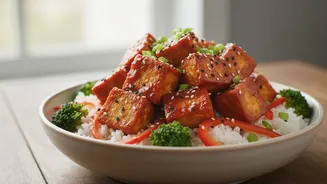
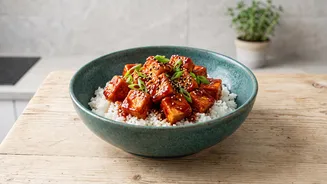
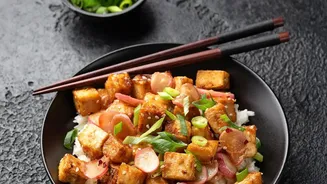
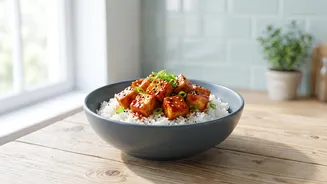
With your key components prepared, the final assembly is a creative and satisfying process. A well-constructed bowl is as much about texture and temperature as it is about taste. Start with a bed of warm, fluffy rice—jasmine or sushi rice works beautifully. Arrange your crispy, sauce-coated tofu on one side. The rest of the bowl is your canvas. Introduce fresh, crunchy elements to contrast with the warm rice and rich tofu. Sliced cucumber, shredded carrots, and shelled edamame are excellent choices. Steamed vegetables like broccoli or snap peas add another layer of texture and nutrition. For a traditional Korean flair, add a scoop of kimchi for extra fermented tang and spice. Finally, finish with garnishes that provide a final pop of flavor and texture, such as toasted sesame seeds, thinly sliced green onions, or fresh cilantro.