


Landscape: Barren Desert vs. Lush Greenery
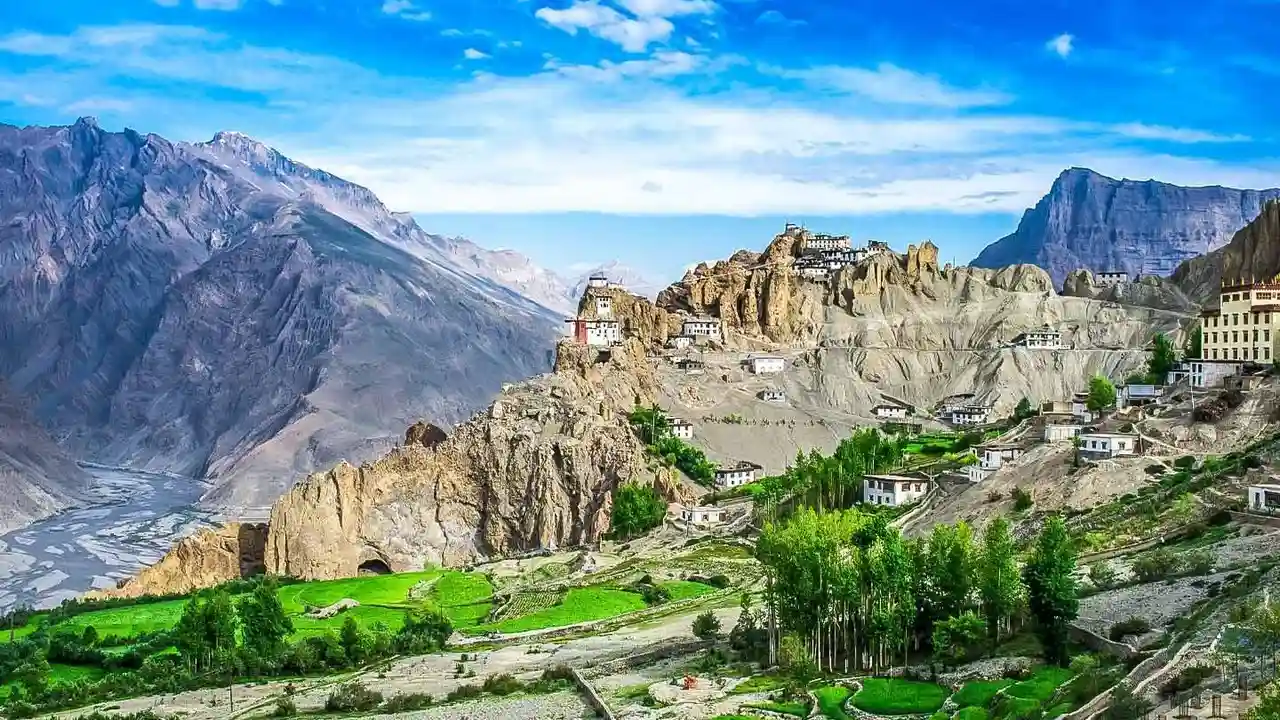
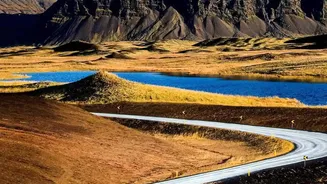
The most immediate difference between the two destinations is the scenery. Ladakh is a high-altitude cold desert, defined by its stark, barren mountains, dramatic turquoise lakes, and vast, empty valleys. It's a landscape of stunning minimalism and raw,
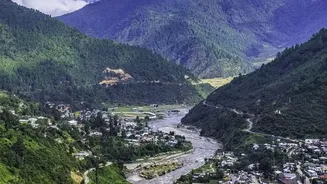
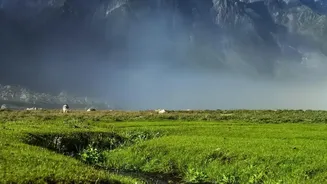
rugged beauty. In contrast, Arunachal Pradesh is a realm of vibrant green. From the alpine meadows of Tawang to the dense subtropical forests of Namdapha National Park, the state is a tapestry of lush valleys, roaring waterfalls, and cloud-covered peaks. Instead of Ladakh's arid grandeur, Arunachal offers an immersive wilderness that feels constantly alive with rivers, forests, and diverse flora.
The Journey: A Different Kind of Adventure
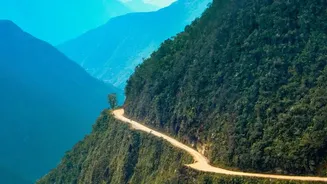
A road trip in Ladakh is iconic, with famous high-altitude passes and well-trodden circuits like the route to Pangong Tso or Nubra Valley. Adventure here is often about conquering extreme altitudes and enduring harsh conditions. Arunachal offers a different, quieter kind of adventure. The journeys, like the drive from Dirang to Tawang via the Sela Pass, are just as spectacular but feel more undiscovered. The roads wind through remote villages, dense pine forests, and past crystal-clear rivers. While Ladakh appeals to those seeking high-octane thrills, Arunachal is for the explorer who finds adventure in tranquil solitude and the charm of the road less travelled.
Culture: Tibetan Buddhism and Tribal Diversity
Both regions share a deep connection to Himalayan Buddhism. Ladakh's landscape is dotted with ancient monasteries that follow Tibetan Buddhist traditions. Arunachal Pradesh is also home to Tawang Monastery, the largest in India and a major centre of Tibetan Buddhism. However, what truly sets Arunachal apart is its incredible tribal diversity. The state is home to more than 26 major tribes and numerous sub-tribes, each with its own unique customs, festivals, and way of life. A trip here offers a chance to engage with the cultures of the Monpa, Apatani, Adi, and many other communities, making it a rich ethnographic experience that goes beyond monasteries.
The Vibe: Solitude Over Social Hubs
Recent years have seen a surge in tourism to Ladakh, with some reports indicating significant growth and even overcrowding in popular spots. The main town of Leh is a bustling hub of cafes, hotels, and tour agencies catering to a large influx of visitors. Arunachal, by contrast, remains a far more offbeat destination. The tourism infrastructure is less developed, which translates to a more authentic and peaceful experience. Instead of a busy social scene, you'll find quiet homestays, remote villages, and long stretches of pristine nature. It’s a destination for those who want to disconnect from the world and connect with their surroundings.
Planning Your Trip: The Permit Factor
Travelling to Arunachal Pradesh requires a bit of extra planning. All Indian citizens who are not residents of the state need an Inner Line Permit (ILP) to enter. This permit is mandatory and is checked at various points throughout the state. The good news is that the application process is now handled online through the official government portal and is typically processed within a few working days. The best time to visit is generally from October to April, when the skies are clear and the weather is pleasant. While Ladakh’s main season is from May to September, Arunachal offers a fantastic alternative for travel during the autumn and winter months.