




An Engineering Marvel at a Crossroads
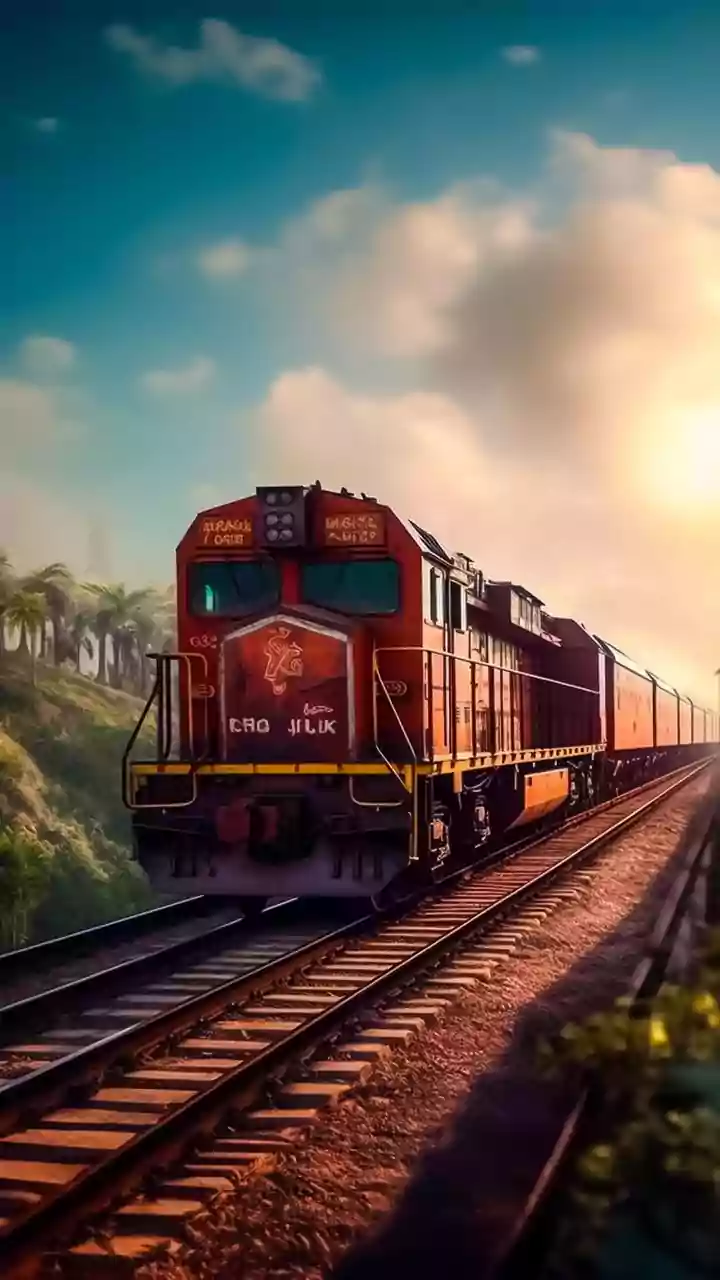
For decades, the Konkan Railway has been more than just a train line; it is a symbol of national pride and an engineering feat that conquered the formidable Sahyadri mountains. Connecting Roha in Maharashtra to Thokur in Karnataka, this 740-km route slashed
travel times and became an economic catalyst for the entire Konkan region. However, the very success that defined its creation is now its greatest challenge. The line, which is predominantly single-track, is saturated. It operates at near-full capacity, leaving little room for more passenger or freight services. While officials diligently ensure the trains keep running, especially during the treacherous monsoon season, this operational focus has overshadowed a more critical need: strategic evolution. Simply maintaining the status quo is a recipe for stagnation on a route that is vital to the nation's economic ambitions.
The Bottleneck of a Single Line
The most significant constraint facing the Konkan Railway is its single-line infrastructure. This fundamental limitation creates a cascading effect of problems: it restricts the number of trains that can be run, causes frequent delays as trains wait in passing loops, and caps the line's overall freight and passenger capacity. The entire 100% electrification of the route, completed in 2022, was a major step forward, promising greater operational efficiency and cost savings. However, without addressing the core issue of track capacity, the full benefits of electrification cannot be realised. It is like building a multi-lane highway that feeds into a single-lane bridge. While plans are finally moving forward to double around 263 km of the track, the pace has been slow and the work is being done in patches. A comprehensive, fully-funded doubling project across the entire corridor is essential to unlock its true potential.
A Vision Beyond Basic Operations
A forward-thinking plan for the Konkan Railway must extend beyond just laying a second track. It needs to be an integrated vision that weaves the railway into the fabric of regional economic development. This means enhancing connectivity to ports, industrial hubs, and major tourist destinations along the coast. The railway's innovative Roll-On/Roll-Off (Ro-Ro) service, which carries trucks on flatbed wagons, is a prime example of its potential, but this too is limited by line capacity. Imagine a future where new stations and dedicated freight corridors spur the growth of local industries, from fisheries to horticulture, by providing faster and cheaper access to markets. Upgrading smaller halt stations into full-fledged crossing stations, as planned for Mookambika Road Byndoor, is a small but crucial part of this larger strategy to improve network fluidity.
Taming the Monsoon with Technology
The Konkan region's heavy monsoons present a unique and dangerous challenge, with landslides and flooding being perennial threats. To its credit, Konkan Railway Corporation Ltd. (KRCL) has implemented extensive monsoon preparedness plans, including intensified patrolling, real-time monitoring, and advanced geo-safety works that have significantly reduced major disruptions over the past decade. However, planning for the future means investing in next-generation technology. This includes AI-powered tunnel monitoring systems, advanced weather prediction models integrated with train control, and building new, more resilient infrastructure, such as the proposed replacement tunnels in Goa which are showing signs of deterioration. Ensuring the line is safe year-round is not just an operational task; it is a prerequisite for making the Konkan Railway a reliable, all-weather economic artery.
Unlocking National Potential
The future of the Konkan Railway is not just a regional issue; it is a national one. A modern, double-tracked, and technologically advanced Konkan line would be a powerful engine for economic growth, boosting tourism, trade, and regional development. It would ease the pressure on congested road networks and provide a greener, more efficient mode of transport. Recent announcements of a five-year, Rs 4,704 crore expansion plan are a welcome sign that this thinking is gaining traction. The challenge now is to execute this vision with the same ambition and determination that first brought this incredible railway to life. The goal should not be just to check if the trains are running, but to ensure they are driving the region, and the nation, forward.