






The Price of Paralysis
The most widely cited figure for the cost of running Parliament is approximately ₹2.5 lakh per minute. This number, though based on an estimate from over a decade ago, remains the benchmark used by analysts in the absence of updated official figures.
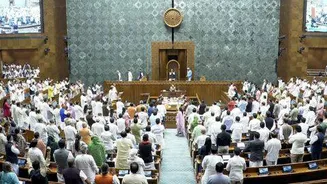
This translates to about ₹1.5 crore per hour and can add up to ₹9 crore for a typical six-hour sitting day for both Houses. When disruptions occur, this expenditure continues. During the recent Monsoon Session of 2026, for example, repeated protests led to significant loss of functional time, with both Houses being adjourned for an entire day on July 27. In one particularly unproductive session, the Lok Sabha reportedly lost 20-25 hours, translating to a notional loss of ₹30-35 crore.
What Are You Paying For?
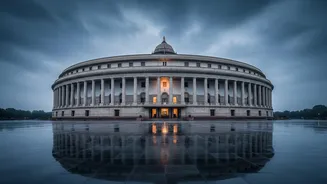
This high cost is not just about the salaries of the Members of Parliament. The ₹2.5 lakh-per-minute estimate includes a vast array of expenses required to keep the institution running. These include the salaries for a large contingent of Parliament staff, the maintenance and utilities for the high-tech Parliament building, extensive security details, and logistical costs. Even when the Houses are adjourned and no legislative work is being done, these fixed costs continue to accumulate. MPs themselves receive a salary and various allowances, such as a daily allowance of ₹2,000 when Parliament is in session, constituency allowances, and office expenses, all of which are funded by the public exchequer.
The Democratic Deficit
Beyond the direct financial drain, the greater cost of parliamentary disruptions is the damage to its legislative and oversight functions. Parliament is the primary forum for holding the government accountable and for debating matters of national importance. When sessions are washed out, crucial legislative work is either delayed or rushed through without adequate debate. For instance, the Monsoon Session of 2025 saw only 31% productivity due to disruptions. Important mechanisms like Question Hour and Zero Hour, which allow MPs to question ministers and raise urgent public issues, are often the first casualties of a disrupted House. This erosion of debate weakens the quality of laws and undermines the core role of Parliament in a healthy democracy.
A Vicious Cycle of Disruption
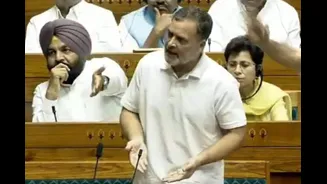
Disruptions are not a new phenomenon and have become a common political tactic used by both opposition and treasury benches over the years. Protests over contentious issues, demands for a minister's resignation, or walkouts over policy decisions are frequent triggers for adjournments. The number of sitting days has also seen a steady decline. In the 1950s, Parliament met for over 120 days a year, but by the 17th Lok Sabha (2019-2024), the average had dropped to just 55 days annually. This combination of fewer sitting days and frequent disruptions means that the time available for substantive legislative work is severely constrained, leading to a democratic deficit that taxpayers are unwittingly funding.