







The Science Behind the Headline
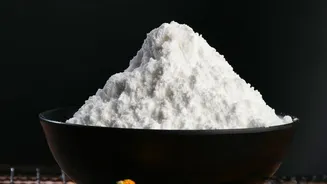
The claim stems from a 12-week study conducted by researchers at Texas A&M University, which looked into how creatine supplementation affects middle-aged and older adults. The study involved healthy adults between the ages of 45 and 65. They were split
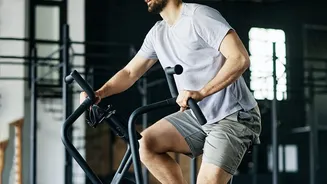
into groups: some took a daily 10-gram dose of creatine monohydrate, while others took a placebo. Within these groups, some participants also engaged in a structured exercise program that included both resistance and aerobic training three times a week, along with a diet for weight loss. Others remained sedentary. This setup allowed researchers to isolate and compare the effects of creatine alone, exercise alone, and the combination of both.
Exercise: The Undisputed Champion
The study's results were clear: exercise is a powerful tool for transformation. When comparing the groups, those who participated in the structured training program saw the most significant improvements in strength and body composition. For instance, participants who exercised and took a placebo still made considerable gains. The combination of exercise and a calorie-controlled diet was effective for improving fitness on its own. However, the study also showed that adding creatine to an exercise regimen amplified these results significantly. The group that both exercised and took creatine experienced the largest gains in leg press strength (a 34% increase) and bench press strength (a 23% increase), far surpassing the gains seen with exercise alone.
Creatine's Role as a Supporting Act
While exercise was the star, creatine proved to be a valuable supporting player. The study produced a notable finding: even without a structured workout routine, participants who took creatine saw benefits. The non-exercising group that supplemented with creatine gained approximately 2.4 pounds of lean tissue over the 12 weeks and also improved their leg and bench press strength compared to the placebo group. This suggests that creatine can help preserve and even build a small amount of muscle and strength on its own, which is particularly relevant for older adults at risk of age-related muscle loss. However, these gains were smaller than those achieved through exercise.
The Winning Combination: Exercise Plus Creatine
The ultimate success story in the study was the group that combined exercise with creatine supplementation. These participants not only achieved the greatest strength gains but also saw superior changes in their body composition. They successfully gained nearly three pounds of lean tissue while simultaneously losing fat mass. In fact, researchers noted it was the first study of its kind to demonstrate that adding creatine to a diet and exercise program could reduce body fat percentage more effectively than diet and exercise alone. This highlights that creatine works best not as a replacement for exercise, but as a supplement that enhances the positive effects of physical training.
What This Means For Your Fitness Journey
The key takeaway is that there are no shortcuts to bypass the hard work. Exercise remains the most potent stimulus for building strength, improving health, and changing your body composition. If you're looking for the best possible results, a consistent training program is non-negotiable. That said, the research confirms that creatine is one of the most effective and well-studied supplements available. It can provide an extra edge, helping you get more out of your workouts and even offering modest benefits during periods of inactivity or for older individuals looking to preserve muscle mass. It can also support cognitive function, which is an area of growing research interest. Think of exercise as the engine of your car and creatine as a high-quality fuel booster—it helps the engine run more efficiently, but it can't drive the car on its own.