




The Risk of a Hyper-Concentrated Capital
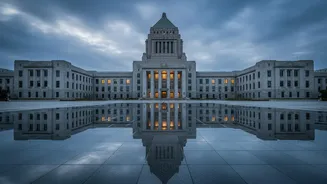
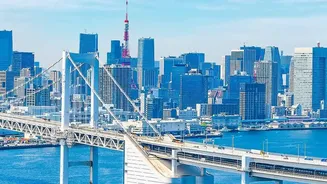
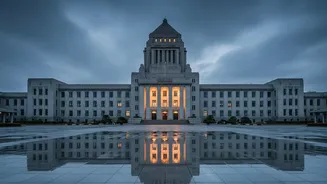
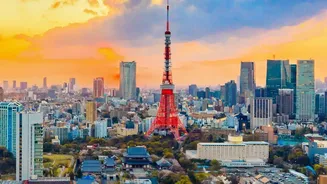
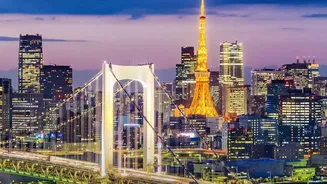
Tokyo is one of the world's great megacities, the heart of Japan's government, economy, and culture. However, this concentration poses a significant risk. The Japanese government estimates there is a 70% probability of a magnitude-7 class earthquake striking
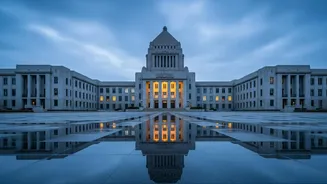
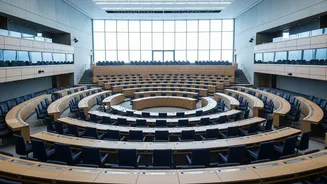
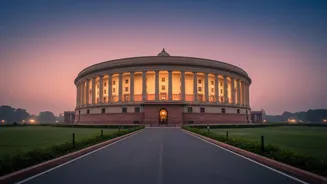
the metropolitan area within the next 30 years. Such an event could incapacitate the Prime Minister's Office, the National Diet, and central ministries, effectively halting the nation's governance. Recognizing this vulnerability, which is amplified by Japan's position on the Pacific Ring of Fire, officials are pursuing a proactive strategy to build resilience. The goal is to ensure the continuity of government functions even if the capital is severely disrupted.
A 'Backup City,' Not a Replacement
The recently passed legislation does not aim to move the capital from Tokyo permanently. Instead, it creates a legal framework for the Prime Minister to designate one or more 'second capitals' from applying prefectures. These designated regions would serve as a backup, ready to temporarily take over key political and administrative functions in an emergency. The law's philosophy is to create redundancy, ensuring that a single catastrophic event in Tokyo does not lead to a total collapse of national operations. This concept of a 'vice-capital,' or 'fukushuto', provides a safety net, allowing for a structured response and recovery.
Revitalising the Regions
Beyond disaster planning, the second-capital framework is a powerful tool for decentralisation. For decades, Japan has grappled with the 'overconcentration' of population, economic activity, and administrative power in Tokyo. This has led to regional decline and economic disparity. By designating backup capitals, the government hopes to create new engines of economic growth. The law includes provisions for deregulation and tax incentives to promote private investment in these designated areas, aiming to build a more multipolar, decentralised economic structure. This move is seen as a way to revitalise regional economies and create a more balanced national landscape.
The Leading Contenders
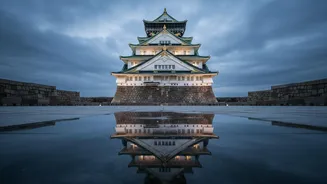
While the law only establishes the framework, several regions have already expressed strong interest. Osaka, Japan's third-largest city and a major economic hub, is widely seen as the front-runner. The city has long promoted a 'Vision for the Second Capital' and has the infrastructure and economic scale to serve as a viable backup. However, other prefectures, including Aichi (home to Nagoya), Fukuoka, and Hokkaido, have also thrown their hats in the ring, each presenting its case as a potential administrative alternative. The law allows for multiple designations, and the final decision will rest with the Prime Minister based on criteria like disaster risk, infrastructure, and administrative capacity.
Political Will and Future Challenges
The path forward is not without complexity. The idea has a long history, but gaining political consensus has been challenging. The recent law was passed, but it was controversial, with critics arguing it unfairly favours Osaka, the political base of a key coalition partner, the Japan Innovation Party. The government now has one year to formulate a basic policy, detailing how it will all work. Key questions remain about which specific national functions would be located in which regions and how the roles would be divided between Tokyo and the second capitals, both in normal times and during emergencies. The success of this ambitious project will depend on sustained political will and careful, concrete planning in the months and years ahead.