
The Lifeless World We Thought We Knew
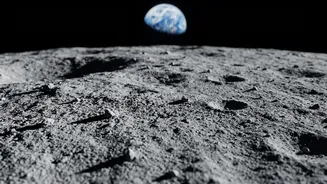
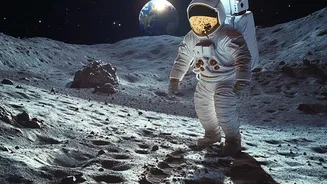
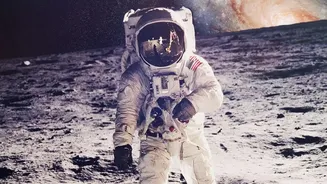
Since the Apollo astronauts first stepped onto the lunar surface, the scientific consensus has been clear: the Moon is completely inhospitable to life. With no atmosphere to speak of, wild temperature swings from scorching daytime heat to deep-space cold,
and a constant bombardment of sterilizing solar radiation, the lunar environment was considered a biological dead end. Early analyses of moon rocks brought back by Apollo missions seemed to confirm this, showing only trace amounts of organic molecules, which were largely attributed to contamination from Earth or delivery by meteorites. The story of the Moon was one of magnificent, but sterile, geology.
A Surprising Discovery in the Shadows
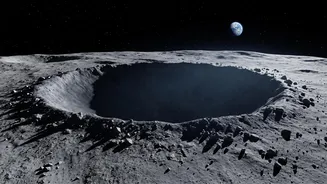
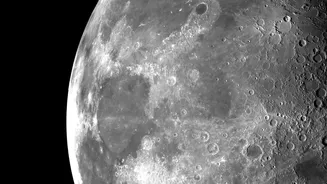
The narrative began to shift with a focus on the Moon's south pole. This region is home to permanently shadowed regions (PSRs)—crater floors and depressions that have not seen direct sunlight for billions of years. Temperatures in these dark pockets can plummet to some of the coldest in the solar system, cold enough to trap water ice and other volatile compounds for eons. A recent NASA-led study, published in August 2026, took a closer look at these unique environments. Using data from missions like the Lunar Reconnaissance Orbiter, researchers simulated conditions at proposed landing sites for the upcoming Artemis missions. Their findings were startling: the unique topography of the polar regions could shield certain locations from deadly UV radiation.
Not Growth, But Survival
The study, published in the journal Science Advances, concluded that some of the hardiest microbes from Earth could potentially survive in these sheltered lunar niches. Researchers modeled the survival limits of bacteria and fungi commonly found in spaceflight environments and found that the shadows cast by craters and ridges could create pockets where these organisms might persist in a dormant, or cryptobiotic, state for up to seven days. The fungus Aspergillus niger, also known as common black mold, proved to be particularly resilient in the simulations. It’s crucial to note that this isn't evidence of microbes growing or thriving on the Moon; the conditions for replication, such as liquid water, are not believed to exist. Rather, it suggests that the Moon isn't universally lethal, and that a visiting microbe might just survive the trip.
New Rules for a New Era of Exploration
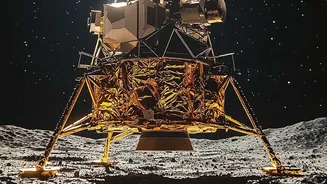
This discovery has profound implications for the future of lunar exploration. As NASA's Artemis program and other international missions prepare to send humans back to the Moon, specifically targeting the resource-rich south pole, the risk of biological contamination is now a serious concern. Scientists are worried that microbes hitchhiking on astronauts, rovers, and landers could interfere with the search for pristine lunar chemistry. One of the primary goals of returning to the Moon is to study materials, like water ice and potential prebiotic molecules, that have been preserved in the polar cold traps for billions of years. These samples could offer a unique window into the early solar system and the origins of life's ingredients. If we introduce our own biology into the mix, it could become incredibly difficult to distinguish what is truly lunar from what we brought with us. This means future missions will need even stricter protocols to track and understand potential contamination.