



The Final Masterpiece
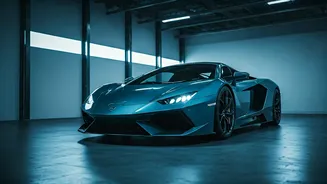
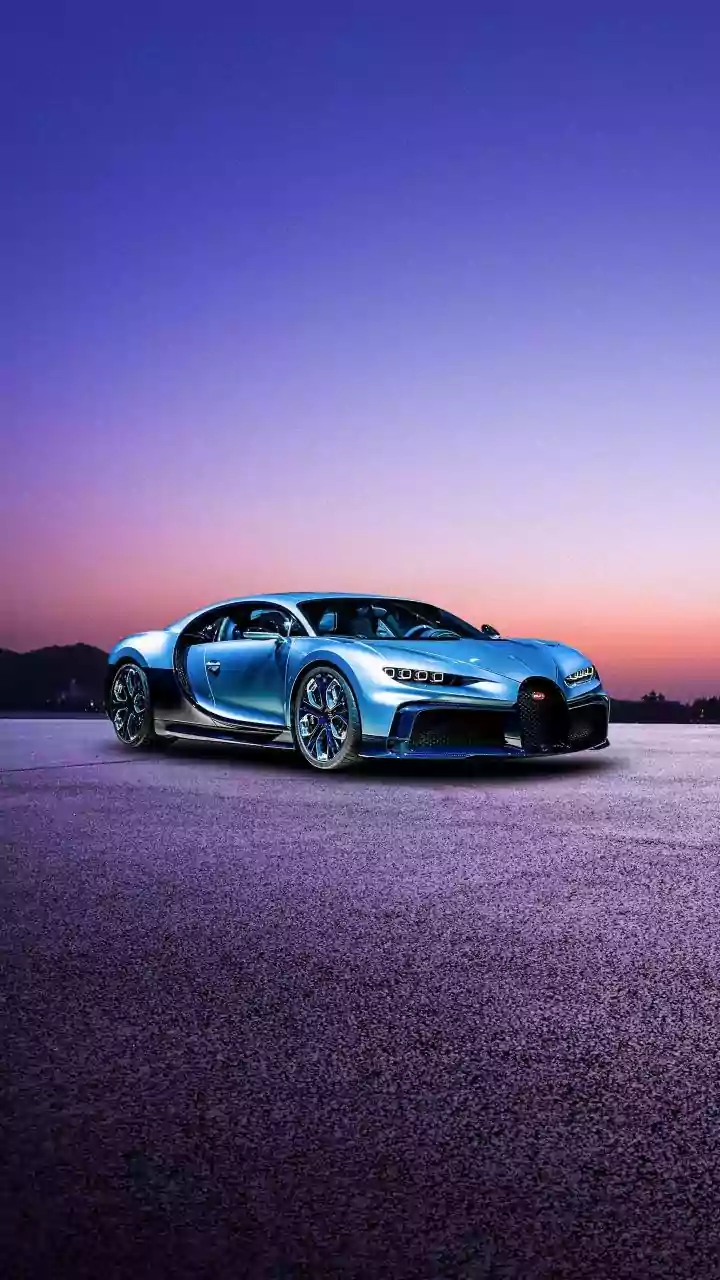
While the headline evokes an eternal white beauty, the official final Bugatti Chiron is christened 'L'Ultime', French for 'The Last'. This one-of-a-kind Super Sport is the 500th and final Chiron, a culmination of an eight-year production run that consistently
redefined performance. Its design is a tribute to the car that started it all, featuring a stunning two-tone paint scheme that fades from 'French Racing Blue' to 'Atlantic Blue'. In a unique touch, the bodywork is adorned with handwritten names of the places and events that marked the Chiron's historic journey, from its Geneva debut to its record-breaking speed runs. The number '500' is elegantly hand-painted on its body, under the rear wing, and engraved on the engine cover, cementing its status as the end of an era.
An Engine For The Ages
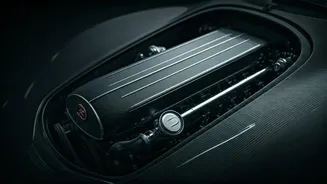
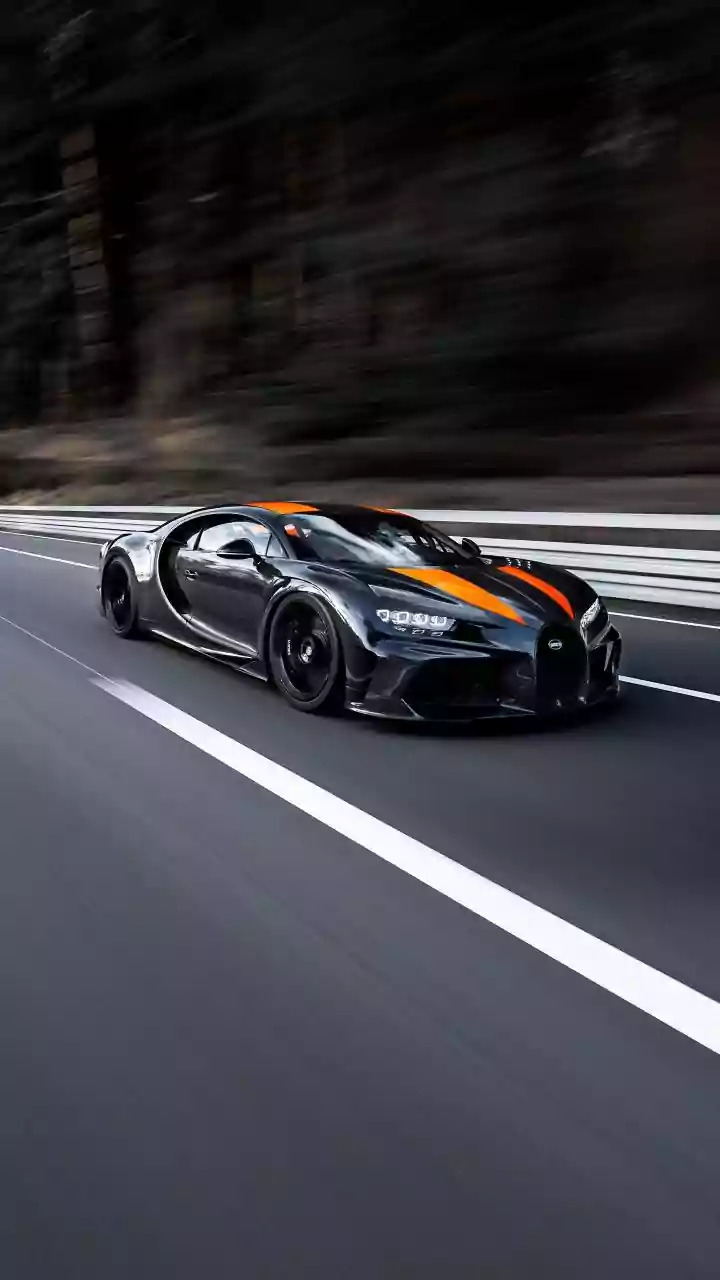
At the heart of this farewell is the 8.0-litre, quad-turbocharged W16 engine. First introduced with the Veyron in 2005, this powerplant was an audacious piece of engineering—essentially two V8 engines fused together—that created a new benchmark for power in a road car. Over two decades, it has been refined and pushed to its limits, culminating in the 1,600 horsepower version found in the Chiron Super Sport models like L'Ultime. This engine propelled the Chiron to become the first production car to break the 300-mph barrier. The W16 was more than just an engine; it was Bugatti's identity, a statement of mechanical supremacy in an increasingly electrified world. Its retirement marks a significant strategic pivot for the brand.
The Mistral's Porcelain Tribute
While L'Ultime is the final Chiron, Bugatti is also bidding farewell to the W16 in its open-top Mistral roadster. A recently unveiled one-off, the 'Blanc Éternel', brings the headline's poetic name to life. This unique car is a collaboration with the German porcelain maker KPM, featuring real porcelain details inside and out. The exterior has a pristine white finish with delicate black lines that trace the car's form, while the interior features porcelain on the gear selector, switches, and other trim pieces. This artistic creation serves as another profound tribute to the W16's legacy, blending its immense power with handcrafted artistry.
A Necessary End, A New Beginning
The decision to retire the W16, while sentimental for enthusiasts, is a strategic necessity. The automotive industry is undergoing a seismic shift towards hybridization and full electrification, driven by regulations and a changing market. For Bugatti, this transition is personified by its 2021 merger with Rimac, the Croatian specialist in electric hypercars. The partnership signaled a clear direction for the future, one where even Bugatti's extreme performance would need to embrace electric power. The end of the W16 was not a matter of if, but when.
What Comes Next: The Tourbillon
Bugatti is not leaving its fans in suspense. The successor to the Chiron has been revealed as the Tourbillon. In a move that surprised many, the brand is not downsizing. Instead, it has developed an all-new, naturally aspirated 8.3-litre V16 engine, which will be paired with three electric motors. This hybrid powertrain is set to produce a staggering 1,800 horsepower. Named after a complex watchmaking mechanism that enhances accuracy, the Tourbillon signals Bugatti's new philosophy: blending immense combustion power with cutting-edge hybrid technology to create the next generation of hypercar. Production is slated to begin in 2026, marking the start of a new, electrified chapter for the legendary French marque.