



Silent Skies: A Sobering New Reality
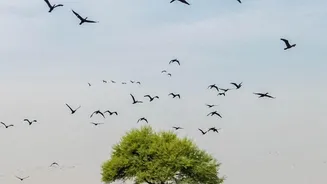
A major global review has delivered a stark warning: the world's migratory birds are in trouble. The comprehensive study, published in Nature Reviews Biodiversity, found that an alarming 51% of migratory bird species are experiencing population declines.
The findings paint the most complete picture yet of a deepening biodiversity crisis, one that unfolds across every major flight path on Earth, including those vital to India. While around 10% of species are increasing and 31% appear stable, the overwhelming trend is one of loss. This isn't just about rare or obscure species; many once-common birds are also vanishing, signalling a systemic problem that demands urgent attention.
The Perilous Journey Across Flyways
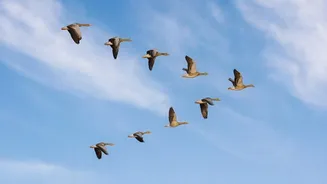
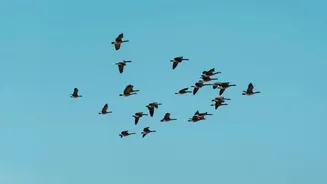
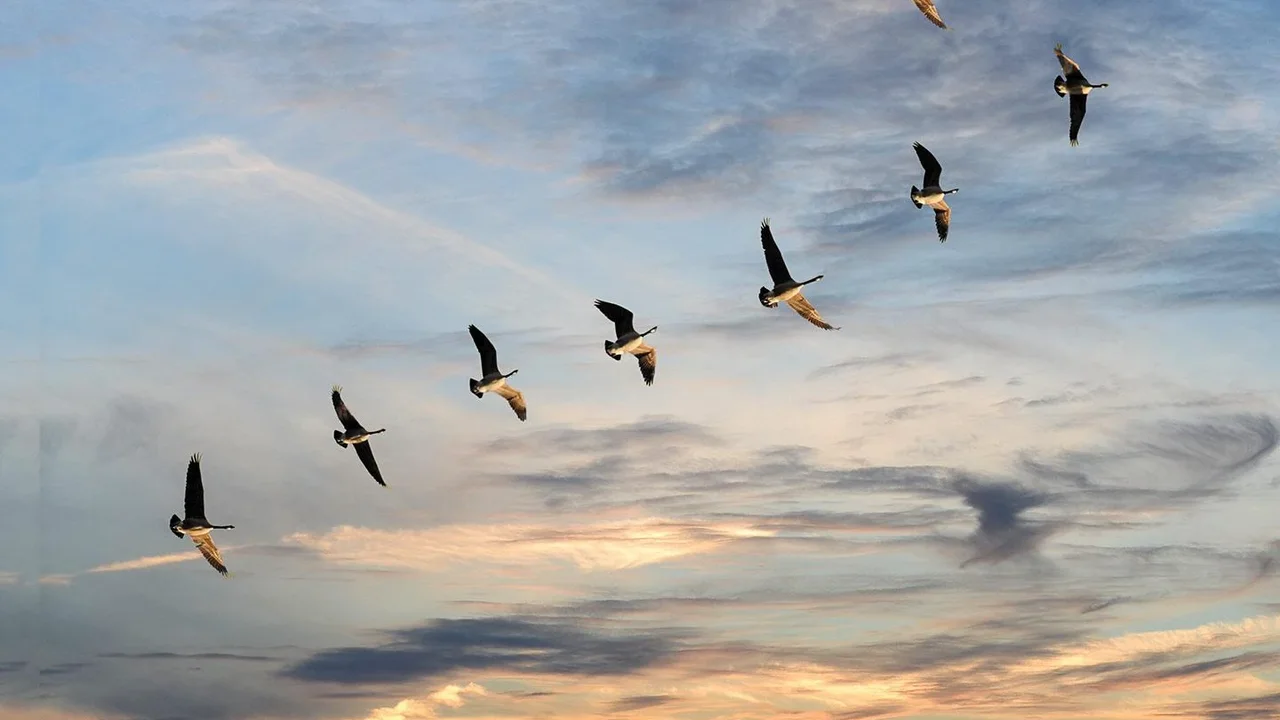
Migratory birds travel along specific routes known as flyways. India is a critical crossroads for three of these superhighways: the Central Asian Flyway (CAF), the East Asian-Australasian Flyway, and the West Asian-East African Flyway. The CAF is particularly significant, stretching from the Siberian tundra across 30 countries to the Indian subcontinent. It serves as a vital corridor for over 180 migratory waterbird species, including iconic birds like the Bar-headed Goose and Amur Falcon. However, this crucial route is facing immense pressure. Reports indicate that many parts of the flyway are witnessing steep waterbird declines as their habitats are altered and fragmented. The new assessment confirms these fears, showing that declines are happening across all major flyways globally.
The Human Fingerprint on Vanishing Flocks
The reasons for these declines are varied, but they overwhelmingly trace back to human activity. The single biggest threat is habitat loss and degradation. Across South Asia, wetlands are being drained for agriculture and urban expansion, while coastlines are altered for development, robbing birds of essential places to rest and feed. Climate change is another major driver, disrupting migration timings and altering weather patterns. Other significant threats include pollution from pesticides, collisions with power lines and wind turbines, and unsustainable hunting. In India, these pressures are compounded by issues like the spread of invasive species and the degradation of grasslands and scrublands, which has led to a more than 50% decline in birds that depend on these open ecosystems.
Why India Should Care
The decline of migratory birds is more than just a loss for birdwatchers; it's a flashing red light for our own environmental health. These birds are vital indicators of ecosystem integrity. They play crucial roles in controlling pests, pollinating plants, and dispersing seeds. The disappearance of species like vultures has had documented public health consequences. The winter migrants that grace India’s wetlands, from the Bar-headed Geese that fly over the Himalayas to the falcons that roost in Nagaland, are part of the country's natural heritage and a significant draw for tourism. Their decline signals that the very ecosystems that support them—and which provide clean water and other resources for humans—are under threat. The State of India's Birds 2023 report corroborates this, finding that winter migrants have declined more sharply than resident species.
A Path Forward for Conservation
The situation is critical, but not without hope. Because migratory birds cross so many borders, their conservation requires unprecedented international cooperation. India has taken positive steps by launching a National Action Plan for the conservation of migratory birds along the Central Asian Flyway and is a party to the Convention on Migratory Species (CMS). On the ground, targeted efforts are making a difference. In Nagaland, communities that once hunted Amur Falcons now act as their guardians, turning the region into a celebrated conservation success story. In West Bengal, rapid action projects have removed kilometres of illegal nets used to trap birds. These examples show that with coordinated policy, community involvement, and sustained conservation funding, it is possible to protect these remarkable global travelers.