


A Once-in-a-Century Discovery
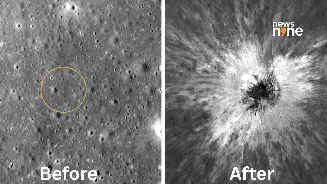
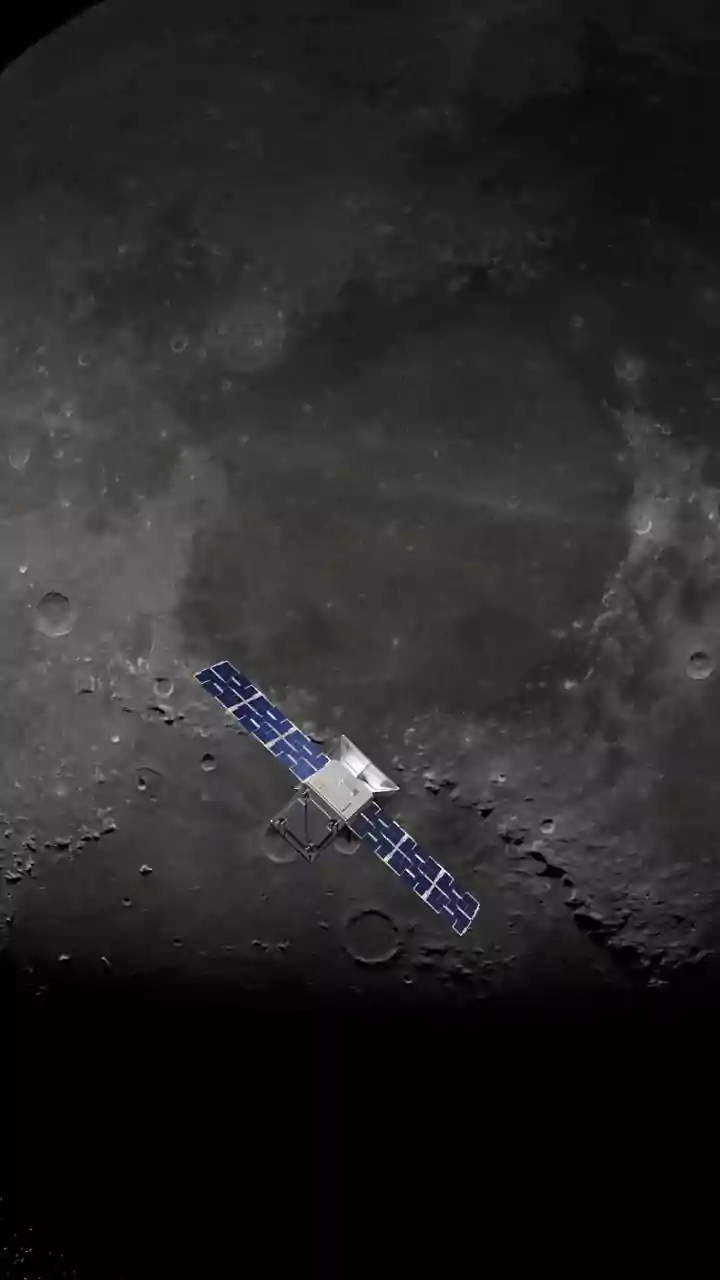
In what is being called a 'once-in-a-century' event, scientists have confirmed the existence of a new impact crater on the Moon measuring a staggering 222 metres (728 feet) across. The discovery was made by researchers analysing images from NASA’s Lunar
Reconnaissance Orbiter (LRO), a spacecraft that has been mapping the Moon for over a decade. By comparing images of the same area taken at different times, a new feature stood out. The impact itself is estimated to have occurred sometime in the spring of 2024 but was only identified in the vast stream of LRO data over a year later. Officially named McGetchin crater, after the late pioneering lunar scientist Thomas McGetchin, this is the largest newly formed crater to be found not just on the Moon, but in the entire solar system during our time of observation.
Putting 222 Metres in Perspective
It can be difficult to grasp the scale of a 222-metre crater. It's wider than two football fields laid end-to-end and deeper than a 14-story building is tall, with an estimated depth of 43 metres (141 feet). You could comfortably fit the Roman Colosseum inside it. The impact was so powerful that it hurled rock and dust, known as ejecta, across the lunar surface, creating a bright blanket around the crater and churning up the surface for more than 100 kilometres in every direction. Scientists believe the object responsible was a meteoroid or comet fragment the size of a three-to-six-story building, striking the Moon without the braking effect of an atmosphere.
Three Times Bigger Than What?
The headline-making claim is that this new crater is three times bigger than its predecessor. This is accurate. Prior to the discovery of McGetchin, the largest known crater to have formed during the LRO's mission was about 70 metres in diameter, discovered a decade ago. McGetchin crater is more than three times wider, making it a significant leap in scale and a statistically rare event. While the Moon is constantly bombarded by smaller objects—creating around 140 craters the size of a car tyre each year—an impact of this magnitude is estimated to occur only once every 130 to 140 years.
More Than Just a Hole
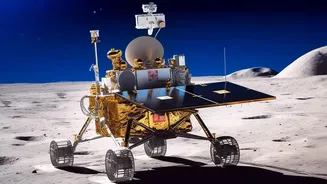
The discovery of McGetchin is far more than a simple cosmic observation; it is a treasure trove of scientific information. Because the crater is so fresh, it gives scientists a pristine look at the physics of impact events. One of the most fascinating findings is a 7-kilometre-wide 'cold spot' surrounding the crater. The impact appears to have 'fluffed up' the top layer of lunar soil, or regolith, making it less dense and less able to retain heat during the frigid lunar night. This effect, observed on such a large scale for the first time, could have implications for how future lunar rovers are designed to traverse the surface.
A Sobering Reminder for Future Missions
As nations like India, the US, and China plan for a sustained human presence on the Moon, McGetchin serves as a powerful and sobering reminder of the hazards involved. The Moon has no atmosphere to burn up incoming meteoroids, making impacts a direct and constant threat. While the risk to any individual astronaut is low, the energy from even small impacts can be significant. Understanding the frequency and effects of larger impacts like the one that created McGetchin is critical for designing safe, long-term habitats and planning for astronaut safety on the lunar surface. This rare event provides invaluable data for protecting the next generation of lunar explorers.