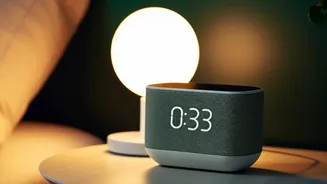








The Science of Your Internal Clock
Inside every one of us is a master clock known as the circadian rhythm. This 24-hour cycle tells our bodies when to feel sleepy and when to be alert. A key player in this process is melatonin, often called the 'sleep hormone'. When it gets dark, our brain
releases melatonin, signaling that it’s time for rest. However, the bright blue light emitted from our smartphones, tablets, and computers throws a wrench in the works. Exposing our eyes to this light in the evening tricks our brain into thinking it's still daytime, which suppresses melatonin production and disrupts our natural sleep-wake cycle. Studies have shown that this can delay sleep onset and lead to feeling unrested even after a full night in bed.
Why Jarring Alarms Feel So Bad
Waking up naturally often feels dramatically better than being jolted awake by an alarm, and there's a scientific reason for it. Our sleep is made up of several cycles, each containing different stages like light sleep, deep sleep, and REM sleep. An alarm clock doesn't care what stage you're in; it goes off regardless. Being pulled from a deep sleep stage can lead to that groggy, disoriented feeling known as sleep inertia. When you wake up on your own, it’s typically because your body has completed its necessary sleep cycles and is naturally transitioning into a lighter stage of sleep, making for a smoother, more pleasant start to the day. People who wake naturally report feeling more rested, having a better mood, and being more motivated.
What Exactly Is a Screen Curfew?
A screen curfew, sometimes called a 'digital sunset', is the simple but powerful practice of putting away all electronic devices at a set time each evening. This isn't just about avoiding the blue light; it's also about giving your brain a chance to switch off. Scrolling through social media, answering late-night emails, or watching an exciting show keeps your mind stimulated and alert when it should be winding down. The goal of a digital sunset is to create a tech-free buffer zone before bed—ideally 60 to 90 minutes—to allow your body and mind to relax and prepare for deep, restorative rest.
How to Start Your Own Digital Sunset
Implementing a screen curfew is more about creating a new routine than about rigid deprivation. Start by picking a consistent cut-off time, ideally at least an hour before you plan to sleep, and stick to it even on weekends. To avoid temptation, create a charging station for your devices outside of the bedroom. Replace your screen time with calming, analogue activities. This could include reading a physical book, journaling, light stretching, taking a warm bath, or simply having a conversation with a loved one. Creating a relaxing environment by dimming the lights and ensuring the room is cool and quiet can also signal to your brain that it's time to rest.
Beyond the Curfew: Fine-Tuning Your Wake-Up
While a screen curfew is a huge step, other habits can help you wake up alarm-free. Consistency is crucial; try to go to bed and wake up around the same time every day to keep your internal clock synchronized. As soon as you wake, expose yourself to natural sunlight by opening the blinds or stepping outside. Morning light is a powerful signal that helps reset your circadian rhythm for the day ahead. Also, be mindful of what you consume in the evening. Avoiding caffeine and heavy meals late at night can prevent disruptions to your sleep quality. These small adjustments work together to regulate your sleep cycle, making it easier for your body to wake up on its own.