






The Foundation of Good Skincare: Cleanliness
Before you even think about mixing that avocado and honey, the most critical first step is ensuring absolute cleanliness. It might sound basic, but introducing bacteria into your DIY concoction is one of the fastest ways to cause breakouts and skin infections.
Your kitchen counter is not a sterile lab, and ingredients left open can harbour microbes you don't want anywhere near your pores. Always start by thoroughly washing your hands with soap and water. Any bowls, spoons, or brushes you plan to use should be cleaned with hot, soapy water and dried completely before use. For an extra layer of safety, you can wipe down your tools and work surface with 70% isopropyl alcohol and let them air dry. Think of it this way: you wouldn't apply your skincare with dirty hands, so don't prepare it with dirty tools. This simple discipline prevents contamination and ensures the mask you’re applying is beneficial, not a vehicle for bacteria.
The Sunscreen Connection You Can't Ignore
Many popular DIY mask recipes feature natural ingredients that sound wonderfully healthy, like lemon juice, lime, or even papaya. While these can have benefits like exfoliation, they also contain compounds that make your skin photosensitive. Photosensitivity is a heightened reaction to UV radiation, which means your skin can burn much more easily and severely after exposure. Applying a mask with citrus, for example, and then heading outside without protection can lead to a painful reaction, redness, and even long-term hyperpigmentation—the very thing you might have been trying to correct. This is why applying a broad-spectrum sunscreen with at least SPF 30 is non-negotiable after using any mask containing exfoliating acids or fruit enzymes. This rule applies even if you use the mask at night; the photosensitivity can last for several days, so you must apply sunscreen the next morning and reapply it every two hours if you're outdoors. Ignoring this step can undo any good the mask did and cause significant damage.
Finding Your Sensible Frequency
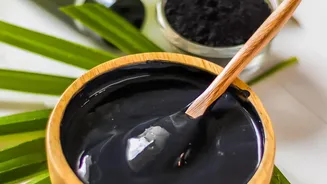
More is not always better, especially when it comes to face masks. Over-masking is a common mistake that can disrupt your skin's natural protective barrier, leading to irritation, dryness, and sensitivity. The right frequency depends entirely on the ingredients in your homemade mask and your skin type. Clay-based masks, which are excellent for absorbing excess oil, can be stripping if used too often and are best limited to once or twice a week for oily or combination skin. Masks with exfoliating ingredients like yogurt (lactic acid) or fruit enzymes should also be used sparingly, generally once a week, to avoid over-exfoliating and causing raw, irritated skin. On the other hand, gentle, hydrating masks made with ingredients like oatmeal, honey, or avocado can often be used more frequently, perhaps two to three times per week, especially for dry skin types. The key is to pay attention to your skin. If you notice redness, tightness, or stinging, it's a clear signal to pull back and give your skin a break.
Choosing Ingredients Wisely
While the internet is full of creative DIY mask recipes, not every kitchen staple belongs on your face. Some ingredients are simply too harsh or unstable for direct topical application. Dermatologists often warn against using straight lemon juice, baking soda, or raw apple cider vinegar, as their pH levels can severely disrupt your skin's acid mantle, causing irritation and damage. Similarly, abrasive physical scrubs made from sugar or coffee grounds can create micro-tears in the skin, inviting infection. Instead, stick to gentle, proven ingredients. Oatmeal and raw honey are known for their calming and anti-inflammatory properties. Plain yogurt contains gentle lactic acid for mild exfoliation, while avocado provides nourishment. Always perform a patch test on a small area of your skin, like behind your ear, before applying a new mask to your entire face to check for any adverse reactions. Remember, 'natural' does not automatically mean safe for every skin type.