
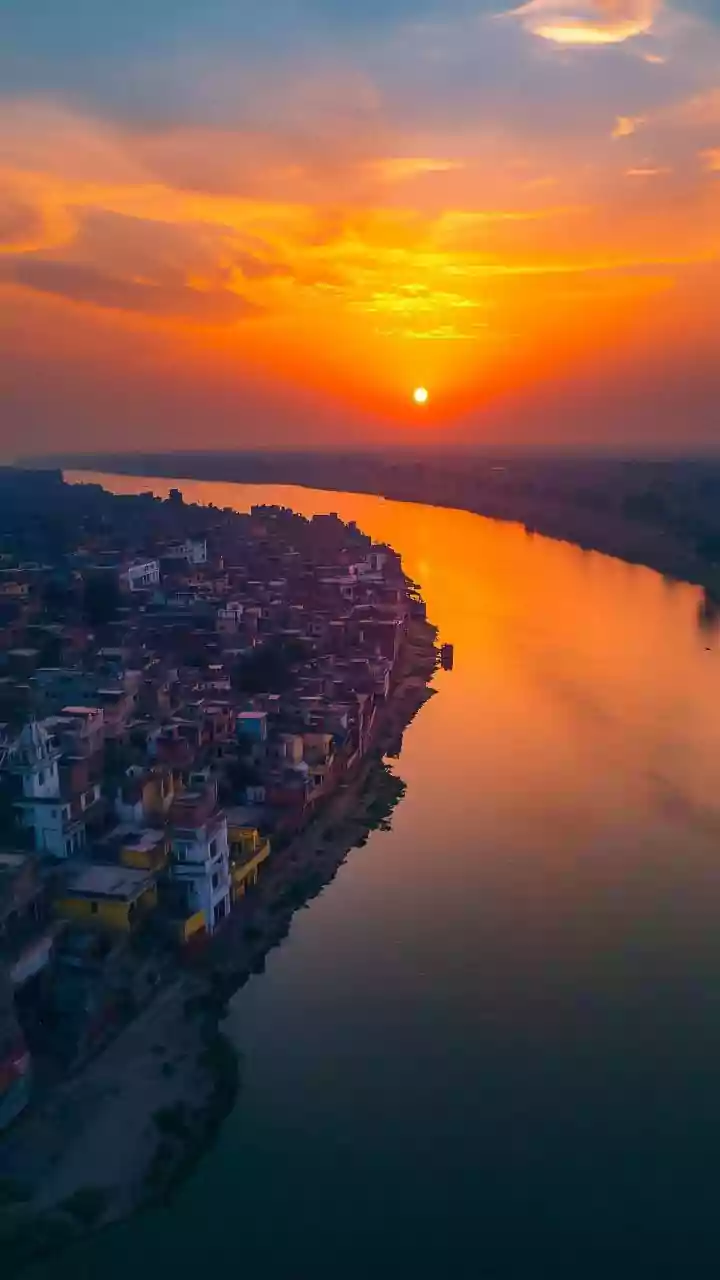





As dusk descends on Bihar, millions of devotees will gather on the banks of sacred rivers. This is Chhath Puja, a festival of profound faith, and its most poignant ritual is the Sandhya Arghya, an offering to the setting sun.
An Ancient Festival of Gratitude
Chhath Puja is an ancient
Hindu Vedic festival dedicated to Surya, the Sun God, and Chhathi Maiya, his sister, who is revered as the goddess who protects children and bestows prosperity. Unlike many festivals that focus on idol worship in temples, Chhath is a direct communion with nature. Celebrated primarily in Bihar, Jharkhand, and eastern Uttar Pradesh, its rituals are centred around riverbanks, known as ghats. The festival spans four days of rigorous discipline, fasting, and purity, culminating in offerings to the sun. The 2026 celebration begins on November 13 with 'Nahay Khay', a day of purification, followed by 'Kharna' on November 14, and the main evening rituals on November 15.
The Ghats: Sacred Theatres of Devotion
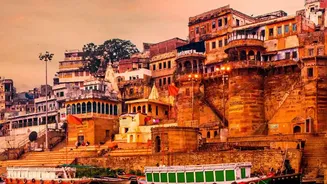
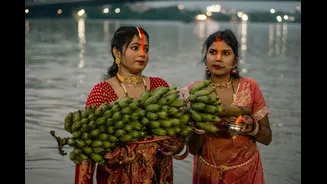
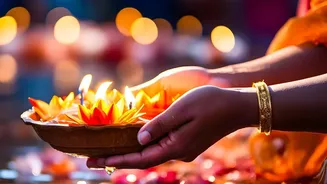
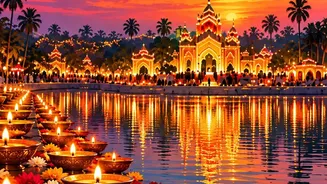
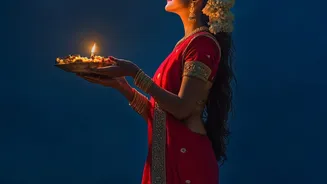
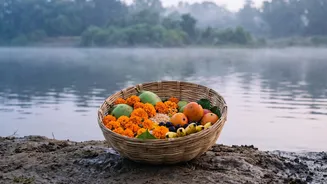
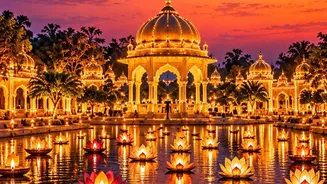
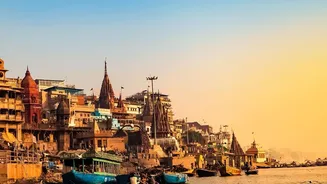
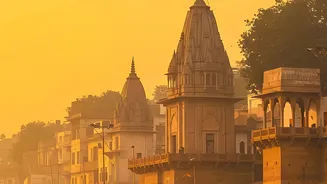
In the days leading up to Chhath, the riverbanks across Bihar transform. Ghats are meticulously cleaned and decorated by communities, with people from all walks of life participating, reinforcing the festival's message of social equality. As evening approaches on the third day, these ghats become a breathtaking spectacle of light and faith. Families arrive in large groups, the men often carrying heavy bamboo baskets ('dauras') filled with offerings on their heads, while women sing traditional Chhath folk songs ('geet') that have been passed down through generations. The air fills with the aroma of incense, the glow of countless earthen lamps ('diyas'), and the melodies of devotion, creating an atmosphere of divine peace.
Sandhya Arghya: The Offering to the Setting Sun
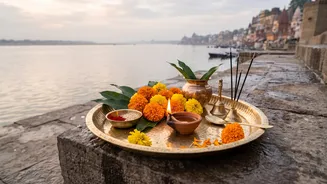
The pinnacle of the third day is the 'Sandhya Arghya', or the evening offering. This ritual is unique because it honours the setting sun, a practice not common in many other Hindu traditions which typically worship the rising sun. This act symbolises gratitude for the sun's life-sustaining energy throughout the day and an acceptance of life's natural cycles of endings and beginnings. Devotees, known as 'Vratis', who have been on a strict, waterless fast for up to 36 hours, stand waist-deep in the cool river water. Facing the setting sun, they offer 'arghya'—oblations of milk and holy water—from bamboo trays ('soops') laden with fruits, sugarcane, coconuts, and a special sweet called 'thekua'.
A Symphony of Sights and Sounds
The Sandhya Arghya is not just a silent prayer; it's a rich sensory experience. The traditional folk songs, sung in languages like Bhojpuri and Maithili, are central to the celebration. These songs narrate stories of Chhathi Maiya, express gratitude to Surya, and speak of family bonds and the hardships of the 'vrat'. Lyrics of popular songs like 'Kanch Hi Baans Ke Bahangiya' and 'Uga Ho Suruj Dev' echo across the ghats, sung by devotees as they await the sunset. This collective singing fosters a powerful sense of unity and shared devotion, turning the riverbank into a sprawling arena of spiritual harmony.
Beyond the Ritual: Purity and Community
After the sun sets, the devotees maintain their fast through the night. Many families perform the 'Kosi' ritual, where they light lamps under a canopy of sugarcane sticks, praying for the wellbeing and longevity of their children. The following morning, before dawn, they return to the ghats for the 'Usha Arghya', the final offering to the rising sun, which concludes the festival. Chhath Puja, with its emphasis on cleanliness, environmental consciousness, and the dissolution of social barriers at the ghats, is more than a religious observance. It is a powerful cultural expression of faith, discipline, and profound respect for nature.